 Hán
Hán  Chinese
trung văn Chinese
Tôi biết chữ Hán này . |
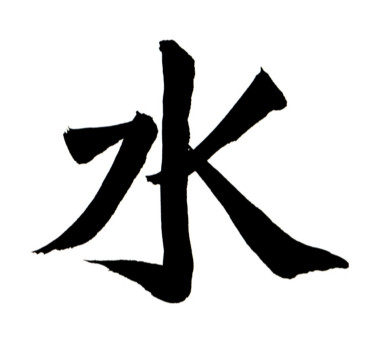
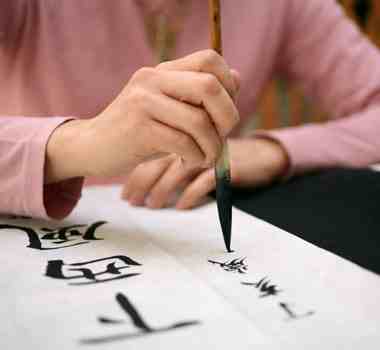
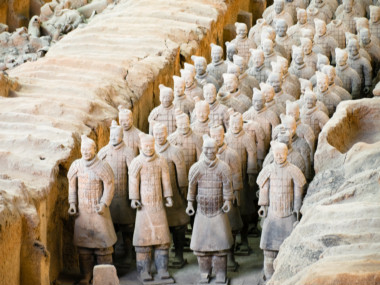
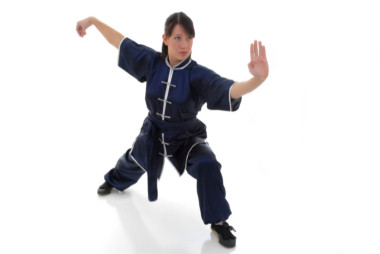
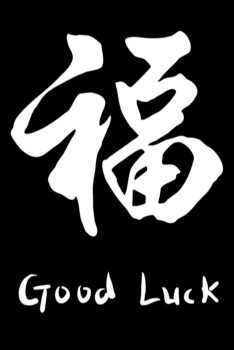
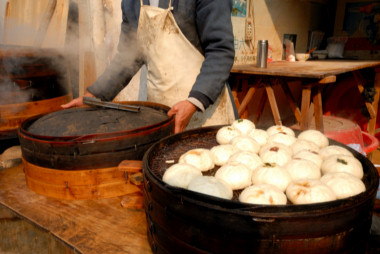
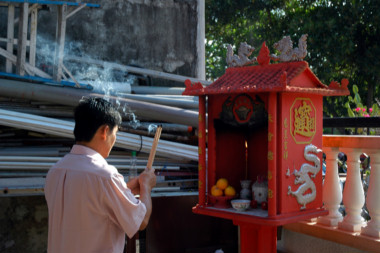
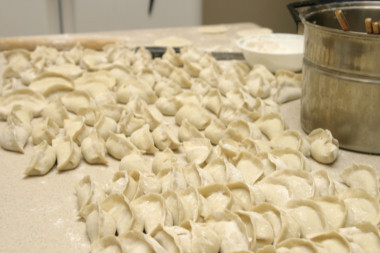
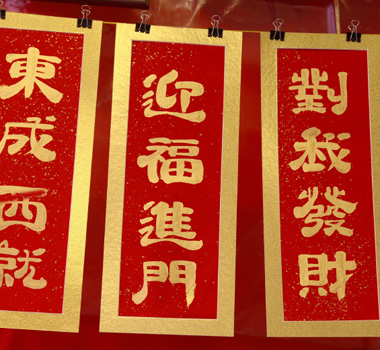
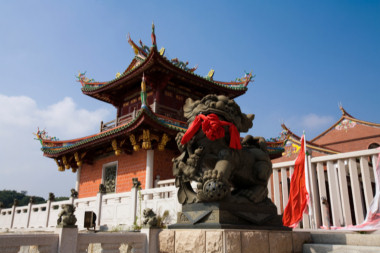
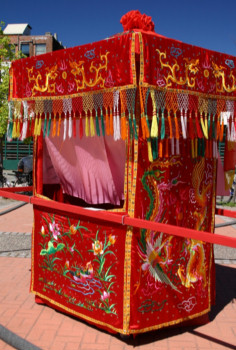
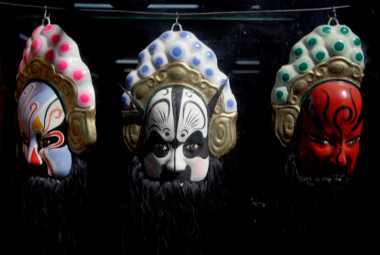
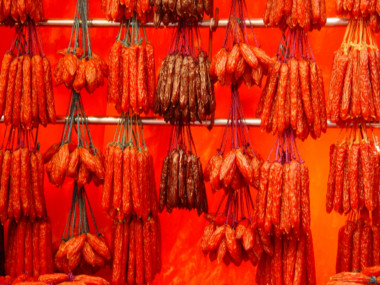
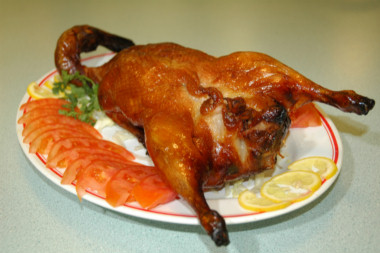
Tôi biết chữ Hán này . | Cô ấy đang thực hành thư pháp bút lông của Trung Quốc . | Nhà Chu của Trung Quốc cổ đại sớm hơn nhà Tần vài trăm năm . | Cô ấy có thể tập Wushu Trung Quốc . | Chữ Hán này có nghĩa là gì ? | Hầu hết người Trung Quốc thích ăn bánh bao . | Người Hoa có tục thờ cúng tổ tiên . | Người Trung Quốc có phong tục ăn bánh bao trong dịp năm mới . | Đây là những ký tự truyền thống của Trung Quốc . | Người Trung Quốc gọi cha và mẹ của họ là "Diē" và "Niáng ." | Đây là một ngôi chùa của Trung Quốc . | Đây là một chiếc sedan cô dâu của Trung Quốc được sử dụng trong thời gian trước đây . | Kinh kịch Bắc Kinh là tinh hoa của văn hóa Trung Hoa . | Cô ấy là người Mỹ gốc Hoa (hay người Mỹ gốc Hoa) . | Bạn đã bao giờ thử món lạp xưởng Trung Quốc chưa ? | Tôi thích ăn các món ăn Trung Quốc, chẳng hạn như vịt quay Bắc Kinh . |


2541半途而废bàntú'érfèi(idiom: to give up halfway)我想学汉语,但又怕自己会半途而废。Wǒ xiǎng xué Hànyǔ, dàn yòu pà zìjǐ huì bàntú'érfèi.I want to learn Chinese, but I'm afraid I will give up halfway.Tôi muốn học tiếng Trung nhưng lại sợ bỏ cuộc giữa chừng. | ||||||||||||||||||||||||||||||||||||||
2648博大精深bódàjīngshēn(adjective: wide-ranging and profound)中国文化博大精深,让我深深着迷。Zhōngguó wénhuà bódàjīngshēn, ràng wǒ shēnshēn zháomí.Chinese culture is broad and profound, which fascinates me deeply.Nền văn hóa Trung Quốc rộng lớn và sâu sắc, khiến tôi vô cùng say mê. | ||||||||||||||||||||||||||||||||||||||
2662不敢当bùgǎndāng(saying [in reply to a compliment]: you flatter me, I don't deserve your praise)你中文说得比很多中国人都好!| 不敢当!Nǐ Zhōngwén shuō de bǐ hěn duō Zhōngguórén dōu hǎo! | Bùgǎndāng!You speak Chinese better than many Chinese! | Thanks, but not really!Bạn nói tiếng Trung tốt hơn nhiều người Trung Quốc! | Không dám! | ||||||||||||||||||||||||||||||||||||||
2679不相上下bùxiāngshàngxià(idiom: equally matched, about the same)他们俩的中文水平不相上下。Tāmen liǎ de Zhōngwén shuǐpíng bùxiāngshàngxià.Their Chinese is about the same.Trình độ tiếng Trung của họ là như nhau. | ||||||||||||||||||||||||||||||||||||||
2810储存chǔcún(verb: to store up, to stockpile)东北人喜欢在冬天将大白菜储存在地窖里。Dōngběi rén xǐhuan zài dōngtiān jiāng dà báicài chǔcún zài dìjiào lǐ.Northeastern people like to store Chinese cabbage in the cellar during wintertime.Người vùng Đông Bắc thích bảo quản bắp cải trong hầm vào mùa đông. | ||||||||||||||||||||||||||||||||||||||
2823船舶chuánbó(noun: ships, boats)中国港口会对国外来的船舶实行14天隔离吗?Zhōngguó gǎngkǒu huì duì guówài lái de chuánbó shíxíng shísì tiān gélí ma?Will Chinese ports implement a 14-day quarantine on foreign ships?Các cảng Trung Quốc sẽ áp dụng lệnh cách ly 14 ngày đối với tàu đến từ nước ngoài? | ||||||||||||||||||||||||||||||||||||||
2892党dǎng(noun: party, association, society)他加入了中国共产党。Tā jiārù le Zhōngguó gòngchǎndǎng.He joined the Chinese Communist Party.Ông gia nhập Đảng Cộng sản Trung Quốc. | ||||||||||||||||||||||||||||||||||||||
2993对应duìyìng(verb: to correspond [to be equivalent or parallel])请说出与这个英文单词对应的中文单词。Qǐng shuōchū yǔ zhège Yīngwén dāncí duìyìng de Zhōngwén dāncí.Please say the Chinese word that corresponds to this English word.Hãy nói từ tiếng Trung tương ứng với từ tiếng Anh này. | ||||||||||||||||||||||||||||||||||||||
3111辐射fúshè(noun: radiation)为了胎儿的健康,不少中国孕妇会穿防辐射服。Wèile tāi'ér de jiànkāng, bùshǎo Zhōngguó yùnfù huì chuān fáng fúshè fú.Many pregnant Chinese women wear radiation protective clothing for the health of their babies.Vì sức khỏe của thai nhi, nhiều bà bầu Trung Quốc mặc quần áo chống bức xạ. | ||||||||||||||||||||||||||||||||||||||
3161根深蒂固gēnshēndìgù(idiom: deep-rooted [problem, etc.], ingrained)中国人重男轻女的思想是根深蒂固的。Zhōngguórén zhòngnán qīngnǚ de sīxiǎng shì gēnshēndìgù de.Chinese have a deep-rooted thinking that sons are more valuable than daughters.Việc người Trung Quốc ưa thích con trai hơn con gái đã có từ lâu đời. | ||||||||||||||||||||||||||||||||||||||
3230规范guīfàn(noun: norm, standard, regular)在将英文翻译成中文时,用词需合乎中文的规范。Zài jiāng Yīngwén fānyì chéng Zhōngwén shí, yòngcí xū héhū Zhōngwén de guīfàn.When translating English into Chinese, the words used should conform to the standards of Mandarin.Khi dịch tiếng Anh sang tiếng Trung, từ ngữ sử dụng phải phù hợp với tiêu chuẩn tiếng Trung. | ||||||||||||||||||||||||||||||||||||||
3243过奖guòjiǎng(verb: to overpraise, to flatter)过奖了,我的中文一般,只够简单交流。Guòjiǎng le, wǒ de Zhōngwén yībān, zhǐ gòu jiǎndān jiāoliú.You flattered me. My Chinese is just okay and only good enough for simple conversations.Không có giải thưởng, tiếng Trung của tôi ở mức trung bình, chỉ đủ để giao tiếp đơn giản. | ||||||||||||||||||||||||||||||||||||||
3264豪迈háomài(adjective: bold, heroic, bold and generous)这支歌表达了中国人民豪迈的气概。Zhè zhī gē biǎodá le Zhōngguó rénmín háomài de qìgài.This song expresses the heroic spirit of the Chinese people.Bài hát này thể hiện tinh thần anh hùng của nhân dân Trung Quốc. | ||||||||||||||||||||||||||||||||||||||
3308华侨Huáqiáo(noun: overseas Chinese, [in a restricted sense] Chinese emigrant who still retains Chinese nationality)这位华侨在他八十岁时终于回到了祖国。Zhè wèi huáqiáo zài tā bāshí suì shí zhōngyú huídào le zǔguó.This overseas Chinese finally returned to his motherland at the age of 80.Hoa kiều cuối cùng đã trở về quê hương khi ông đã tám mươi tuổi. | ||||||||||||||||||||||||||||||||||||||
3351级别jíbié(noun: [military] rank, level, grade)这个级别的学生需要掌握至少一千个汉字。Zhège jíbié de xuésheng xūyào zhǎngwò zhìshǎo yīqiān gè hànzì.Students at this level need to master at least one thousand Chinese characters.Học sinh ở trình độ này cần thành thạo ít nhất một nghìn ký tự tiếng Trung. | ||||||||||||||||||||||||||||||||||||||
3383吉祥jíxiáng(adjective: lucky, auspicious)中国人认为六和八是吉祥的数字。Zhōngguó rén rènwéi liù hé bā shì jíxiáng de shùzì.Chinese believe that "six" and "eight" are lucky numbers.Người Trung Quốc coi sáu và tám là những con số tốt lành. | ||||||||||||||||||||||||||||||||||||||
3392急于求成jíyúqiúchéng(idiom: anxious or impatient for quick results)学习中文要循序渐进,急于求成是不行的。Xuéxí Zhōngwén yào xúnxùjiànjìn, jíyú qiúchéng shì bùxíng de.Learning Chinese needs to be done step by step. Being anxious or impatient for quick results won't work.Học tiếng Trung phải làm từng bước một, vội vàng thành công sẽ không hiệu quả. | ||||||||||||||||||||||||||||||||||||||
3406夹杂jiāzá(verb: to be mixed up with, to be mingled with)外企员工通常都喜欢在说中文时夹杂着英文。Wàiqǐ yuángōng tōngcháng dōu xǐhuan zài shuō Zhōngwén shí jiāzá zhe Yīngwén.Employees in foreign companies generally like to mix in some English when speaking Chinese.Nhân viên của các công ty nước ngoài thường thích nói tiếng Trung và tiếng Anh. | ||||||||||||||||||||||||||||||||||||||
3426坚实jiānshí(adjective: solid, firm and substantial)他在中国学习期间打下了坚实的中文基础。Tā zài Zhōngguó xuéxí qījiān dǎxià le jiānshí de Zhōngwén jīchǔ.He got a solid foundation in Chinese while studying in China.Anh đã có nền tảng vững chắc về tiếng Trung khi học tập tại Trung Quốc. | ||||||||||||||||||||||||||||||||||||||
3513精通jīngtōng(verb: to be proficient)王先生精通多门语言,其中包括汉语、英语和日语。Wáng xiānsheng jīngtōng duō mén yǔyán, qízhōng bāokuò Hànyǔ, Yīngyǔ hé Rìyǔ.Mr. Wang is proficient in many languages, including Chinese, English and Japanese.Ông Wang thông thạo nhiều ngôn ngữ, bao gồm tiếng Trung, tiếng Anh và tiếng Nhật. | ||||||||||||||||||||||||||||||||||||||
3545居住jūzhù(verb: to reside, to live)中国大多数人口居住在城市里。Zhōngguó dàduōshù rénkǒu jūzhù zài chéngshì lǐ.The majority of the Chinese population lives in cities.Hầu hết dân số Trung Quốc sống ở các thành phố. | ||||||||||||||||||||||||||||||||||||||
3559开水kāishuǐ(noun: boiled water)大多数中国人认为喝开水对身体有好处。Dàduōshù Zhōngguórén rènwéi hē kāishuǐ duì shēntǐ yǒu hǎochu.Most Chinese believe that drinking boiled water is good for the body.Hầu hết người Trung Quốc đều tin rằng uống nước đun sôi rất tốt cho cơ thể. | ||||||||||||||||||||||||||||||||||||||
3579可口kěkǒu(adjective: tasty, delicious)好久没吃到这么可口的中国菜了!Hǎojiǔ méi chī dào zhème kěkǒu de Zhōngguócài le!I haven't had such delicious Chinese dishes for a long time!Đã lâu rồi tôi chưa được ăn món ăn Trung Quốc ngon như vậy! | ||||||||||||||||||||||||||||||||||||||
3646历代lìdài(noun: all periods of time / all ages)中国历代皇帝中,寿命最长的是乾隆。Zhōngguó lìdài huángdì zhōng, shòumìng zuì cháng de shì Qiánlóng.The longest-living emperor in Chinese history was Qianlong.Trong số tất cả các hoàng đế Trung Quốc, Càn Long sống lâu nhất. | ||||||||||||||||||||||||||||||||||||||
3649礼节lǐjié(noun: etiquette / manners)跟中国客户吃饭时,我应该注意哪些礼节?Gēn Zhōngguó kèhù chīfàn shí, wǒ yīnggāi zhùyì nǎxiē lǐjié?What etiquette should I pay attention to when dining with Chinese clients?Tôi nên chú ý phép xã giao nào khi dùng bữa với khách hàng Trung Quốc? | ||||||||||||||||||||||||||||||||||||||
3679灵感línggǎn(noun: inspiration [for creative work])该服装品牌的设计灵感大多来源于中国古典艺术。Gāi fúzhuāng pǐnpái de shèjì línggǎn dàduō láiyuányú Zhōngguó gǔdiǎn yìshù.The clothing brand's designs are mostly inspired by classical Chinese art.Cảm hứng thiết kế của thương hiệu quần áo này chủ yếu đến từ nghệ thuật cổ điển Trung Quốc. | ||||||||||||||||||||||||||||||||||||||
3729漫画mànhuà(noun: cartoon / Japanese manga)日本漫画深受中国年轻人的喜爱。Rìběn mànhuà shēnshòu Zhōngguó niánqīngrén de xǐ'ài.Japanese comics are deeply loved by Chinese young people.Truyện tranh Nhật Bản được giới trẻ Trung Quốc vô cùng yêu thích. | ||||||||||||||||||||||||||||||||||||||
3759迷信míxìn(noun: superstition)按照中国迷信的说法,右眼皮跳预示着不好的事情要发生。Ànzhào Zhōngguó míxìn de shuōfa, yòu yǎnpí tiào yùshì zhe bùhǎo de shìqing yào fāshēng.According to Chinese superstition, a twitch in the right eyelid indicates that something bad is about to happen.Theo mê tín của người Trung Quốc, mí mắt bên phải co giật báo hiệu điều gì đó tồi tệ sắp xảy ra. | ||||||||||||||||||||||||||||||||||||||
3824浓厚nónghòu(adjective: dense / to have a strong interest in)从中国旅游回来后,他就对学习汉语产生了浓厚的兴趣。Cóng Zhōngguó lǚyóu huílai hòu, tā jiù duì xuéxí Hànyǔ chǎnshēng le nónghòu de xìngqù.After returning from the trip to China, he became very interested in learning Chinese.Sau khi trở về từ chuyến du lịch ở Trung Quốc, anh ấy bắt đầu có hứng thú học tiếng Trung. | ||||||||||||||||||||||||||||||||||||||
3825农历nónglì(noun: traditional Chinese calendar / lunar calendar)农历八月十五是中国的中秋节。Nónglì bāyuè shíwǔ shì Zhōngguó de zhōngqiūjié.August 15th on the lunar calendar is the Chinese Mid-Autumn Festival.Ngày rằm tháng tám âm lịch là Tết Trung thu của người Trung Quốc. | ||||||||||||||||||||||||||||||||||||||
3916旗袍qípáo(noun: Chinese-style dress)为了参加中国朋友的婚礼,她买了一件红色的旗袍。Wèile cānjiā Zhōngguó péngyou de hūnlǐ, tā mǎi le yī jiàn hóngsè de qípáo.Anna bought a red Chinese-style dress to attend her Chinese friend's wedding.Để tham dự đám cưới của một người bạn Trung Quốc, cô đã mua một chiếc sườn xám màu đỏ. | ||||||||||||||||||||||||||||||||||||||
4060散文sǎnwén(noun: prose / essay)朱自清是中国现代散文的重要代表之一。Zhū Zìqīng shì Zhōngguó xiàndài sǎnwén de zhòngyào dàibiǎo zhīyī.Zhu Ziqing is one of the important representatives of modern Chinese prose.Zhu Ziqing là một trong những đại diện quan trọng của văn xuôi Trung Quốc hiện đại. | ||||||||||||||||||||||||||||||||||||||
4099深情厚谊shēnqínghòuyì(idiom: profound friendship)我永远不会忘记中国朋友对我的深情厚谊和无私的帮助。Wǒ yǒngyuǎn bùhuì wàngjì Zhōngguó péngyou duì wǒ de shēnqíng hòuyì hé wúsī de bāngzhù.I will never forget the profound friendship and selfless help given to me by my Chinese friends.Tôi sẽ không bao giờ quên tình bạn sâu sắc và sự giúp đỡ vị tha mà những người bạn Trung Quốc đã dành cho tôi. | ||||||||||||||||||||||||||||||||||||||
4572压岁钱yāsuìqián(noun: money given to children during Spring Festival)过年时,孩子们最期待的就是能够得到大人们发的压岁钱。Guònián shí, háizimen zuì qīdài de jiùshì nénggòu dédào dàrén men fā de yāsuìqián.During the Chinese New Year, children most look forward to receiving red envelopes filled with money from adults.Trong dịp Tết Nguyên đán, điều trẻ em mong chờ nhất là nhận được lì xì từ người lớn. | ||||||||||||||||||||||||||||||||||||||
4583烟花爆竹yānhuā bàozhú(noun: fireworks)春节期间全市禁止燃放烟花爆竹。Chūnjié qījiān quánshì jìnzhǐ ránfàng yānhuābàozhú.During Chinese New Year, the city prohibits the use of fireworks and firecrackers.Pháo hoa và pháo nổ bị cấm trên toàn thành phố trong Lễ hội mùa xuân. | ||||||||||||||||||||||||||||||||||||||
4731元宵节Yuánxiāojié(noun: Lantern festival)元宵节是中国文化传统节日之一。Yuánxiāojié shì Zhōngguó wénhuà chuántǒng jiérì zhīyī.The Lantern Festival is one of the traditional Chinese cultural holidays.Lễ hội đèn lồng là một trong những lễ hội truyền thống của văn hóa Trung Quốc. | ||||||||||||||||||||||||||||||||||||||
4790长辈zhǎngbèi(noun: elder generation / elder member of a family)尊重长辈是中华民族传统美德之一。Zūnzhòng zhǎngbèi shì zhōnghuámínzú chuántǒng měidé zhīyī.Respecting elders is one of the traditional virtues of the Chinese nation.Kính trọng người lớn tuổi là một trong những đức tính truyền thống của dân tộc Trung Hoa. | ||||||||||||||||||||||||||||||||||||||
4796招收zhāoshōu(verb: to hire / to recruit)学校正在招收一名中文教师,要求拥有相关学历和工作经验。Xuéxiào zhèngzài zhāoshōu yī míng Zhōngwén jiàoshī, yāoqiú yōngyǒu xiāngguān xuélì hé gōngzuò jīngyàn.The school is currently hiring a Chinese language teacher and is requiring relevant qualifications and work experience.Trường đang tuyển giáo viên tiếng Trung và yêu cầu trình độ học vấn cũng như kinh nghiệm làm việc phù hợp. | ||||||||||||||||||||||||||||||||||||||
4835证书zhèngshū(noun: credentials / certificate)他不断地努力尝试,最终获得了HSK6级汉语水平考试的证书。Tā bùduàn de nǔlì chángshì, zuìzhōng huòdé le HSK liù jí Hànyǔ shuǐpíng kǎoshì de zhèngshū.He kept on trying and eventually obtained the certificate for the HSK 6 Chinese proficiency exam.Anh đã không ngừng cố gắng và cuối cùng đã đạt được chứng chỉ Kiểm tra trình độ tiếng Trung HSK cấp 6. | ||||||||||||||||||||||||||||||||||||||