syllable

Vietnamese Tutor


người đời people


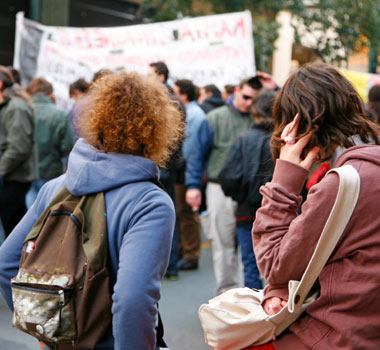
Có rất nhiều người trên đường phố .
街上有很多人。


There are many people in the street .
Có rất nhiều người trên đường phố .


[ người ] : man, person, people, individual, body
[ đời ] : dynasty; life, existence, generation


Most Common Compounds Set 1:
#93 người ta people
#1156 dân people
#2269 người mình our people


người ta bán trái cây tươi ngon

People sell fresh fruit


người ta nấu cơm ngon

People cook tasty rice


người ta sửa xe máy cũ

People fix old motorbikes


Most Common Compounds Set 2:
người ta người dân những người khác hai người người khác bọn trẻ mạng sống

Most Common Compounds Set 3 :


Có rất nhiều người trên đường phố .
街上有很多人。


There are many people in the street .

Es sind viele Menschen auf der Straße.

Có rất nhiều người trên đường phố .

街上 很多
Jiēshang yǒu hěn duō rén.


(0091)

Có bốn người trong gia đình anh ta .
他家一共有四口人。


There are four people in his family .

Es sind vier Personen in seiner Familie.

Có bốn người trong gia đình anh ta .

他家 一共 四口
Tā jiā yīgòng yǒu sì kǒu rén.


(0096)

Người dân ở đây rất nhiệt tình .
这里的人民很热情。


The people here are very enthusiastic .

Die Menschen hier sind sehr enthusiastisch.

Người dân ở đây rất nhiệt tình .

这里 人民 热情
Zhèli de rénmín hěn rèqíng.


(0105)

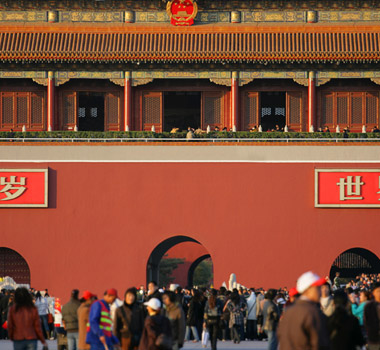
Nhiều người đã tụ tập trên đường phố .
街上聚集了很多民众。


Many people have gathered in the street .

Viele Menschen haben sich auf der Straße versammelt.

Nhiều người đã tụ tập trên đường phố .

街上 聚集 很多 民众
Jiēshang jùjíle hěn duō mínzhòng.


(0106)

Tổng cộng có năm người ở đây .
这里一共有五个人。


There are five people here in total .

Insgesamt sind hier fünf Personen anwesend.

Tổng cộng có năm người ở đây .

一共 五个
Zhèli yīgòng yǒu wǔ gè rén.


(0246)

Có rất nhiều người trên đường phố .
街上的行人很多。


There are many people in the street .

Es sind viele Menschen auf der Straße.

Có rất nhiều người trên đường phố .

街上 行人 很多
Jiēshang de xíngrén hěn duō.


(0327)

Cái lạnh khiến người ta rùng mình .
寒冷令人打寒战。


The cold makes people shiver .

Die Kälte lässt die Menschen erschauern.

Cái lạnh khiến người ta rùng mình .

寒冷 令人 寒战
Hánlěng lìngrén dǎ hánzhàn.


(0814)

Có năm người trong nhóm của chúng tôi bao gồm cả tôi .
包括我在内,我们组有五个人。


There are five people in our team including me .

Unser Team besteht aus fünf Personen, mich eingeschlossen.

Có năm người trong nhóm của chúng tôi bao gồm cả tôi .

包括 在内 , 我们 组有 五个
Bāokuò wǒ zàinèi, wǒmen zǔ yǒu wǔ gè rén.


(0820)

Nhiều người theo đuổi tiền bạc .
很多人都追求金钱。


Many people pursue money .

Viele Menschen sind auf der Suche nach Geld.

Nhiều người theo đuổi tiền bạc .

很多 追求 金钱
Hěn duō rén dōu zhuīqiú jīnqián.


(0866)

Hoa hồng gợi cho người ta nhớ đến tình yêu .
玫瑰让人联想到爱情。


Roses remind people of love .

Rosen erinnern Menschen an Liebe.

Hoa hồng gợi cho người ta nhớ đến tình yêu .

玫瑰 联想 爱情
Méigui ràng rén liánxiǎng dào àiqíng.


(0940)

Cô ấy nói với tôi một bí mật ít người biết .
她告诉我一个鲜为人知的秘密。


She tells me a secret few people know .

Sie erzählt mir ein Geheimnis, das nur wenige kennen.

Cô ấy nói với tôi một bí mật ít người biết .

告诉 一个 鲜为人知 秘密
Tā gàosu wǒ yī gè xiǎnwéirénzhī de mìmì.


(1309)

Trung Quốc có dân số 1,3 tỷ người .
中国有13亿人口。


There are 1 0.3 billion people in China .

In China leben 1,3 Milliarden Menschen.

Trung Quốc có dân số 1,3 tỷ người .

中国 13 亿 人口
Zhōngguó yǒu shísān yì rénkǒu.


(1322)

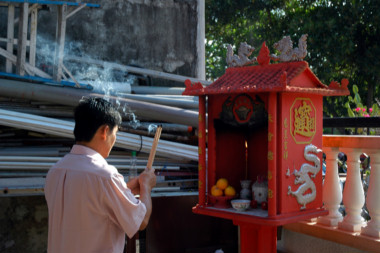
Người Hoa có tục thờ cúng tổ tiên .
中国人有拜祭祖宗的习俗。


The Chinese people practice the custom of ancestor worship .

Das chinesische Volk praktiziert den Brauch der Ahnenverehrung.

Người Hoa có tục thờ cúng tổ tiên .

中国 人有 拜祭 祖宗 习俗
Zhōngguórén yǒu bàijì zǔzōng de xísú.


(1352)

Những người trẻ cố gắng trở nên hợp thời trang (thắp sáng, "theo đuổi thời trang hiện tại") .
年轻人追求时尚。


zu sein (wörtlich die aktuelle Mode verfolgen) . Young people

Junge Leute versuchen, trendy zu sein (wörtlich "die aktuelle Mode verfolgen").

Những người trẻ cố gắng trở nên hợp thời trang (thắp sáng, "theo đuổi thời trang hiện tại") .

年轻人 追求 时尚
Niánqīngrén zhuīqiú shíshàng.


(1493)

Chúng ta không nên bỏ qua những câu hỏi mà mọi người đang hỏi .
不能忽视大家的提问。


We should not ignore the questions people are asking .

Wir können die Fragen, die die Menschen stellen, nicht ignorieren.

Chúng ta không nên bỏ qua những câu hỏi mà mọi người đang hỏi .

不能 忽视 大家 提问
Bù néng hūshì dàjiā de tíwèn.


(1588)

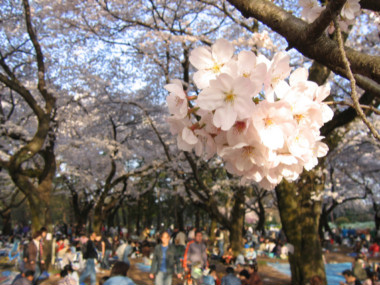
Nhiều người đến công viên để ngắm hoa anh đào .
很多人去公园赏樱花。


Many people go to the park to see the cherry blossoms .

Viele Menschen besuchen den Park, um die Kirschblüte zu genießen.

Nhiều người đến công viên để ngắm hoa anh đào .

很多 人去 公园 樱花
Hěn duō rén qù gōngyuán shǎng yīnghuā.


(1672)

Những người trẻ tuổi thích uống rượu trong các quán bar .
年轻人喜欢去酒吧喝酒。


Young people like to drink in bars .

Junge Leute trinken gerne in Bars.

Những người trẻ tuổi thích uống rượu trong các quán bar .

年轻人 喜欢 酒吧 喝酒
Niánqīngrén xǐhuan qù jiǔbā hējiǔ.


(1812)

Nhiều người liên quan đến vụ này .
这个案件涉及到很多人。


Many people are involved in this case .

In diesen Fall sind viele Menschen verwickelt.

Nhiều người liên quan đến vụ này .

这个 案件 涉及 很多
Zhège ànjiàn shèjí dào hěn duō rén.


(1934)

Có rất nhiều người trên bãi biển .
海滩上有很多人。


There are a lot of people on the beach .

Es sind viele Leute am Strand.

Có rất nhiều người trên bãi biển .

海滩 很多
Hǎitān shàng yǒu hěn duō rén.


(2407)

Nhiều người sợ sét .
很多人惧怕闪电。


Many people are afraid of lightning .

Viele Menschen haben Angst vor Blitzen.

Nhiều người sợ sét .

很多 惧怕 闪电
Hěn duō rén jùpà shǎndiàn.


(2439)

Chính phủ đã đề nghị viện trợ để giải tỏa những người dân bị ảnh hưởng bởi thảm họa .
政府提供了赈灾援助。


The government has offered aid to relieve the people affected by the disaster .

Die Regierung hat Hilfe angeboten, um die von der Katastrophe betroffenen Menschen zu entlasten.

Chính phủ đã đề nghị viện trợ để giải tỏa những người dân bị ảnh hưởng bởi thảm họa .

政府 提供 赈灾 援助
Zhèngfǔ tígōngle zhènzāi yuánzhù.


(2839)

Người già thích hồi tưởng về quá khứ .
老年人喜欢回忆往昔。


Old people like to reminisce about past .

Alte Menschen erinnern sich gerne an die Vergangenheit.

Người già thích hồi tưởng về quá khứ .

老年人 喜欢 回忆 往昔
Lǎoniánrén xǐhuan huíyì wǎngxī.


(3028)

Anh ấy là loại người mà mọi người kính trọng và ngưỡng mộ .
他让人感到敬畏。


He is the kind of person that people respect and hold in awe .

Er ist die Art von Person, die die Menschen respektieren und in Ehrfurcht versetzen.

Anh ấy là loại người mà mọi người kính trọng và ngưỡng mộ .

感到 敬畏
Tā ràng rén gǎndào jìngwèi.


(3036)

Người dân Mỹ thương tiếc Tổng thống Lincoln .
美国人民悼念林肯总统。


The American people mourned President Lincoln .

Das amerikanische Volk trauerte um Präsident Lincoln.

Người dân Mỹ thương tiếc Tổng thống Lincoln .

美国 人民 悼念 林肯 总统
Měiguó rénmín dàoniàn Línkěn zǒngtǒng.


(3110)

Công chúng hảo tâm quyên góp giúp đỡ đồng bào vùng thiên tai .
群众慷慨地为灾区捐款。


The public generously donated money to help the people in the disaster area .

Die Öffentlichkeit spendete großzügig Geld, um den Menschen im Katastrophengebiet zu helfen.

Công chúng hảo tâm quyên góp giúp đỡ đồng bào vùng thiên tai .

群众 慷慨 地为 灾区 捐款
Qúnzhòng kāngkǎi de wèi zāiqū juānkuǎn.


(3318)

Hình ảnh của Lenin đã được tạc thành một bức tượng để mọi người có thể tưởng nhớ đến ông
列宁像被制成雕像供人们瞻仰。
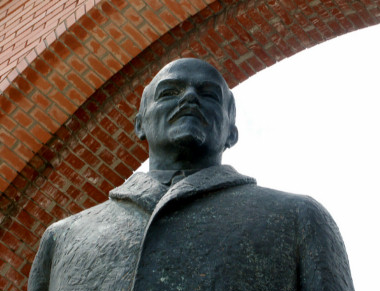


Lenin' s likeness has been made into a statue to enable people to pay tribute to him .

Lenins Konterfei wurde zu einer Statue gemacht, damit die Menschen ihm Tribut zollen können.

Hình ảnh của Lenin đã được tạc thành một bức tượng để mọi người có thể tưởng nhớ đến ông

列宁 制成 雕像 人们 瞻仰
Lièníng xiàng bèi zhìchéng diāoxiàng gōng rénmen zhānyǎng.


(3437)


2503

爱戴

àidài

(verb: to love and respect)

他是一位深受人民爱戴的总统。


Tā shì yī wèi shēnshòu rénmín àidài de zǒngtǒng.

He was a president that is deeply loved and respected by the people.

Ông là một tổng thống được người dân vô cùng yêu quý.


2504

暧昧

àimèi

(adjective: ambiguous, dubious)

这两个人关系很暧昧。


Zhè liǎng gè rén guānxi hěn àimèi.

These two people have a dubious relationship.

Mối quan hệ giữa hai người này rất mơ hồ.


2508

安居乐业

ānjūlèyè

(verb: to live in peace and work happily)

只有国家富强,老百姓们才能安居乐业。


Zhǐyǒu guójiā fùqiáng, lǎobǎixìng men cái néng ānjū lèyè.

Only when the country is rich and powerful can people live in peace and work happily.

Chỉ khi đất nước thịnh vượng thì người dân mới có thể sống và làm việc trong hòa bình, hạnh phúc.


2534

摆脱

bǎituō

(verb: to get rid of, to break away from)

很多人长大后还是无法摆脱父母的掌控。


Hěn duō rén zhǎngdà hòu háishi wúfǎ bǎituō fùmǔ de zhǎngkòng.

Many people still can't get rid of their parents' control even after they grow up.

Nhiều người vẫn không thể thoát khỏi sự kiểm soát của cha mẹ khi lớn lên.


2553

报复

bàofù

(verb: to retaliate, to revenge)

我要报复所有伤害过我的人。


Wǒ yào bàofù suǒyǒu shānghài guò wǒ de rén.

I will get back at all the people that hurt me before.

Tôi muốn trả thù tất cả những người đã làm tổn thương tôi.


2565

保守

bǎoshǒu

(adjective: conservative)

这个地方的人思想都很保守。


Zhège dìfang de rén sīxiǎng dōu hěn bǎoshǒu.

People in this place are very conservative.

Người dân ở nơi này rất bảo thủ trong suy nghĩ.


2581

北极

Běijí

(noun: the North Pole, the Arctic Pole)

有人住在北极吗?


Yǒurén zhù zài běijí ma?

Do people live in the North Pole?

Có ai sống ở Bắc Cực không?


2621

变迁

biànqiān

(verb: to change, to go through vicissitudes)

时代在变迁,人们的思想也在改变。


Shídài zài biànqiān, rénmen de sīxiǎng yě zài gǎibiàn.

Times are changing, and so are people's thinking.

Thời thế đang thay đổi, suy nghĩ của con người cũng đang thay đổi.


2747

超级

chāojí

(adjective: super-)

很多人认为中国是一个超级大国。


Hěnduō rén rènwéi Zhōngguó shì yī gè chāojí dàguó.

Many people consider China a superpower.

Nhiều người cho rằng Trung Quốc là một siêu cường.


2751

嘲笑

cháoxiào

(verb: to make fun of, to ridicule)

我怕说错了会被人嘲笑。


Wǒ pà shuō cuò le huì bèi rén cháoxiào.

I'm afraid that people will make fun of me if I say it wrong.

Tôi sợ mình nói sai sẽ bị chê cười.


2786

吃苦

chīkǔ

(verb: to bear hardships, to suffer)

老一辈人总爱抱怨现在的年轻人吃不了苦。


Lǎoyībèi rén zǒng ài bàoyuàn xiànzài de niánqīngrén chī bùliǎo kǔ.

The older generation likes to complain that young people nowadays can't bear hardship.

Thế hệ đi trước luôn thích phàn nàn rằng giới trẻ ngày nay không thể chịu đựng được gian khổ.


2795

崇高

chónggāo

(adjective: lofty, sublime)

年轻人要树立崇高的理想。


Niánqīngrén yào shùlì chónggāo de lǐxiǎng.

Young people should have lofty ideals.

Người trẻ hãy xây dựng những lý tưởng cao đẹp.


2797

崇敬

chóngjìng

(verb: to esteem, to respect [highly])

那些为人民利益献身的人,永远值得人民的崇敬。


Nàxiē wèi rénmín lìyì xiànshēn de rén, yǒngyuǎn zhíde rénmín de chóngjìng.

Those who dedicate their lives for the benefit of the people always deserve the admiration of the people.

Những người cống hiến hết mình vì lợi ích của nhân dân luôn xứng đáng được nhân dân tôn trọng.


2808

储备

chǔbèi

(verb: to store up)

一听说食物可能短缺,大家就立即储备起来。


Yī tīngshuō shíwù kěnéng duǎnquē, dàjiā jiù lìjí chǔbèi qǐlai.

As soon as people heard that there might be a shortage of food, everyone immediately started to stock up.

Ngay khi nghe tin có thể thiếu lương thực, mọi người lập tức tích trữ.


2810

储存

chǔcún

(verb: to store up, to stockpile)

东北人喜欢在冬天将大白菜储存在地窖里。


Dōngběi rén xǐhuan zài dōngtiān jiāng dà báicài chǔcún zài dìjiào lǐ.

Northeastern people like to store Chinese cabbage in the cellar during wintertime.

Người vùng Đông Bắc thích bảo quản bắp cải trong hầm vào mùa đông.


2837

吹捧

chuīpěng

(verb: to flatter, to lavish praise on)

不少人吹捧这部电影,但我不喜欢。


Bùshǎo rén chuīpěng zhè bù diànyǐng, dàn wǒ bù xǐhuan.

Many people praise this movie, but I didn't like it.

Phim này nhiều người khen nhưng mình không thích.


2854

脆弱

cuìruò

(adjective: flimsy, weak, frail)

有些人表面坚强,内心脆弱。


Yǒuxiē rén biǎomiàn jiānqiáng, nèixīn cuìruò.

Some people are strong on the surface, but weak in heart.

Có những người bên ngoài mạnh mẽ nhưng bên trong lại yếu đuối.


2890

诞生

dànshēng

(verb: to be born, to be founded)

1949年10月1日是中华人民共和国诞生的日子。


Yījiǔsìjiǔ nián shí yuè yī rì shì Zhōnghuá rénmín gònghéguó dànshēng de rìzi.

October 1, 1949 was the day that the People's Republic of China was founded.

Ngày 1 tháng 10 năm 1949 là ngày nước Cộng hòa Nhân dân Trung Hoa ra đời.


2914

得罪

dézuì

(verb: to offend somebody, to displease, to commit an offense)

说话过于直接容易得罪人。


Shuōhuà guòyú zhíjiē róngyì dézuì rén.

It is easy to offend people by speaking too directly.

Nói quá trực tiếp có thể dễ dàng làm mất lòng người khác.


2918

灯笼

dēnglong

(noun: lantern)

元宵节到了,不少人在家门口挂上了灯笼。


Yuánxiāojié dào le, bùshǎo rén zài jiā ménkǒu guà shàng le dēnglong.

Lantern Festival is coming and many people hung lanterns in front of their homes.

Lễ hội đèn lồng đang đến gần, nhiều người đã treo đèn lồng trước cửa nhà.


2952

动荡

dòngdàng

(noun: turbulence, unrest [political], upheaval)

国际金融动荡让人民的生活很不安稳。


Guójì jīnróng dòngdàng ràng rénmín de shēnghuó hěn bù ānwěn.

The international financial turmoil has made people's lives very unstable.

Khủng hoảng tài chính quốc tế đã khiến cuộc sống của người dân rất bất ổn.


2981

端午节

Duānwǔjié

(noun: Dragon Boat Festival)

人们在端午节那天会吃粽子、划龙舟。


Rénmen zài Duānwǔjié nàtiān huì chī zòngzi, huá lóngzhōu.

People eat rice dumplings and row dragon boats on the day of the Dragon Boat Festival.

Mọi người ăn bánh bao và chèo thuyền rồng trong Lễ hội Thuyền rồng.


3176

共和国

gònghéguó

(noun: republic)

北京是中华人民共和国的首都。


Běijīng shì Zhōnghuá Rénmín Gònghéguó de shǒudū.

Beijing is the capital of the People's Republic of China.

Bắc Kinh là thủ đô của Cộng hòa Nhân dân Trung Hoa.


3191

功效

gōngxiào

(noun: effect)

不少人相信蜂蜜有护肤的功效。


Bùshǎo rén xiāngxìn fēngmì yǒu hùfū de gōngxiào.

Many people believe that honey has a (beneficial) effect in skin care.

Nhiều người tin rằng mật ong có đặc tính chăm sóc da.


3264

豪迈

háomài

(adjective: bold, heroic, bold and generous)

这支歌表达了中国人民豪迈的气概。


Zhè zhī gē biǎodá le Zhōngguó rénmín háomài de qìgài.

This song expresses the heroic spirit of the Chinese people.

Bài hát này thể hiện tinh thần anh hùng của nhân dân Trung Quốc.


3267

号召

hàozhào

(verb: to call, to appeal)

政府号召人们节约用水,保护环境。


Zhèngfǔ hàozhào rénmen jiéyuē yòng shuǐ, bǎohù huánjìng.

The government called on people to save water and protect the environment.

Chính phủ kêu gọi người dân tiết kiệm nước và bảo vệ môi trường.


3352

疾病

jíbìng

(noun: disease, sickness)

官方数据显示,每年死于这种疾病的人数超过百万。


Guānfāng shùjù xiǎnshì, měinián sǐ yú zhèzhǒng jíbìng de rénshù chāoguò bǎiwàn.

Official data shows that more than one million people die from this disease every year.

Số liệu chính thức cho thấy hơn một triệu người chết vì căn bệnh này mỗi năm.


3359

饥饿

jī'è

(adjective: hungry, starving)

目前世界上还有不少人在忍受饥饿。


Mùqián shìjiè shàng hái yǒu bùshǎo rén zài rěnshòu jī'è.

Currently, there are still many people that are suffering from starvation in the world.

Trên thế giới vẫn còn rất nhiều người phải chịu nạn đói.


3365

忌讳

jìhuì

(verb: to avoid as a taboo)

死亡是许多人忌讳的话题。


Sǐwáng shì xǔduō rén jìhuì de huàtí.

Death is a topic that many people avoid as a taboo.

Cái chết là chủ đề cấm kỵ đối với nhiều người.


3378

激情

jīqíng

(noun: passion, enthusiasm)

他充满激情的演讲感染了所有的听众。


Tā chōngmǎn jīqíng de yǎnjiǎng gǎnrǎn le suǒyǒu de tīngzhòng.

His speech was full of enthusiasm and moved all the people in the audience.

Bài phát biểu đầy nhiệt huyết của anh ấy đã truyền cảm hứng cho tất cả khán giả.


3435

见义勇为

jiànyìyǒngwéi

(idiom: see what is right and have the courage to do something about it, to stand up bravely for the truth)

社会上见义勇为的人越来越少了。


Shèhuì shang jiànyìyǒngwéi de rén yuèláiyuè shǎo le.

People that stand up for the truth, are getting less and less in society.

Ngày càng có ít người trong xã hội đủ dũng cảm để thực thi công lý.


3440

jiǎng

(noun: oar, paddle)

船上的人们拿起船桨,迅速划到对岸。


Chuán shang de rénmen náqǐ chuánjiǎng, xùnsù huá dào duì'àn.

The people on the boat picked up the oars and quickly rowed to the opposite bank.

Những người trong thuyền nhặt mái chèo chèo nhanh sang bờ bên kia.


3443

奖励

jiǎnglì

(noun: reward)

为鼓励年轻人生育,对于生了二胎的夫妇,政府将给予金钱奖励。


Wèi gǔlì niánqīngrén shēngyù, duìyú shēng le èrtāi de fūfù, zhèngfǔ jiāng jǐyǔ jīnqián jiǎnglì.

To encourage young people to have children, the government will give monetary rewards to couples who have a second child.

Để khuyến khích giới trẻ sinh con, chính phủ sẽ cung cấp các ưu đãi bằng tiền cho các cặp vợ chồng sinh con thứ hai.


3461

戒备

jièbèi

(verb: to guard, to take precautions, to be on the alert)

这里戒备森严,一般人很难进去。


Zhèlǐ jièbèisēnyán, yībānrén hěn nán jìnqù.

This place is heavily guarded, it's difficult for ordinary people to enter.

Nơi này được canh gác nghiêm ngặt và người bình thường khó có thể vào được.


3462

阶层

jiēcéng

(noun: hierarchy, social class)

中国大城市的房价过高,普通工薪阶层根本无法负担。


Zhōngguó dàchéngshì de fángjià guògāo, pǔtōng gōngxīnjiēcéng gēnběn wúfǎ fùdān.

Housing prices in China's big cities are too high for ordinary working-class people to afford them.

Giá nhà ở các thành phố lớn của Trung Quốc quá cao và tầng lớp lao động bình thường không đủ khả năng chi trả.


3487

紧密

jǐnmì

(adjective: inseparable, close)

互联网使世界各地的人们联系得越来越紧密。


Hùliánwǎng shǐ shìjiègèdì de rénmen liánxì de yuèláiyuè jǐnmì.

The Internet has brought people from all over the world closer and closer.

Internet đã làm cho mọi người trên khắp thế giới ngày càng kết nối nhiều hơn.


3508

惊奇

jīngqí

(adjective: astonished, amazed)

人们惊奇地发现这个看似善良的邻居竟然是杀人凶手。


Rénmen jīngqí de fāxiàn zhège kànsì shànliáng de línjū jìngrán shì shārén xiōngshǒu.

People were astonished to find out that the seemingly kind neighbor was actually a murderer.

Mọi người ngạc nhiên khi biết rằng người hàng xóm có vẻ tốt bụng này lại là một kẻ giết người.


3511

经商

jīngshāng

(verb: to engage in trade, business)

我们对浙江人的第一印象是他们擅长经商。


Wǒmen duì Zhèjiāng rén de dìyī yìnxiàng shì tāmen shàncháng jīngshāng.

The first impression we have of Zhejiang people is that they are very good at doing business.

Ấn tượng đầu tiên của chúng tôi về người Chiết Giang là họ giỏi kinh doanh.


3550

觉醒

juéxǐng

(verb: to become fully aware of something as a fact, to awake)

被压迫的人民终于觉醒,并试图为自由抗争。


Bèi yāpò de rénmín zhōngyú juéxǐng, bìng shìtú wèi zìyóu kàngzhēng.

The oppressed people finally woke up and tried to fight for their freedom.

Những người bị áp bức cuối cùng đã thức tỉnh và cố gắng đấu tranh cho tự do.


3555

开阔

kāikuò

(verb: to widen, to open up)

旅游可以使人开阔眼界,增长见识。


Lǚyóu kěyǐ shǐ rén kāikuò yǎnjiè, zēngzhǎng jiànshi.

Travel can broaden people's horizons and increase their knowledge.

Du lịch có thể mở rộng tầm nhìn của con người và nâng cao kiến ​​thức của họ.


3592

空洞

kōngdòng

(adjective: empty, hollow [lack substance])

这篇文章内容空洞,让人没有阅读的欲望。


Zhè piān wénzhāng nèiróng kōngdòng, ràng rén méiyǒu yuèdú de yùwàng.

The content of this article lacks any substance and makes people not want to read it.

Nội dung của bài viết này trống rỗng và khiến mọi người không muốn đọc nó.


3611

款式

kuǎnshì

(noun: design / style / pattern)

这个包的款式太老气,不适合你这个年龄的人。


Zhège bāo de kuǎnshì tài lǎoqi, bù shìhé nǐ zhège niánlíng de rén.

The style of this bag is too old-fashioned for people your age.

Kiểu dáng của chiếc túi này quá lỗi thời và không phù hợp với những người ở độ tuổi của bạn.


3635

乐趣

lèqù

(noun: joy / delight / pleasure)

旅游的乐趣就在于能见识到不同的人和文化。


Lǚyóu de lèqù jiù zàiyú néng jiànshi dào bùtóng de rén hé wénhuà.

The joy of traveling lies in seeing different people and cultures.

Niềm vui của việc đi du lịch là được gặp gỡ những con người và nền văn hóa khác nhau.


3643

理睬

lǐcǎi

(verb: to pay attention to / to show interest in)

你不必理睬那些不讲道理的人。


Nǐ bùbì lǐcǎi nàxiē bù jiǎng dàoli de rén.

You don't have to pay attention to those unreasonable people.

Bạn không cần phải để ý đến những người vô lý.


3652

黎明

límíng

(noun: dawn / daybreak)

地震发生时正值黎明,许多人仍在熟睡。


Dìzhèn fāshēng shí zhèngzhí límíng, xǔduō rén réng zài shúshuì.

An earthquake occurred during dawn when many people were still deep in sleep.

Trời đã sáng khi trận động đất xảy ra, nhiều người vẫn còn đang ngủ.


3663

廉洁

liánjié

(adjective: honest and clean / incorruptible)

像他这么清正廉洁、为民着想的官员现在实在是太少了。


Xiàng tā zhème qīngzhèng liánjié, wèi mín zhuóxiǎng de guānyuán xiànzài shízài shì tài shǎo le.

There are so few officials who are as honest and incorruptible as him and who are considerate of people.

Có quá ít quan chức lương thiện và biết quan tâm đến nhân dân như ông.


3681

灵魂

línghún

(noun: soul / spirit)

很多人相信人死后灵魂仍旧存在。


Hěn duō rén xiāngxìn rén sǐhòu línghún réngjiù cúnzài.

Many people believe that the soul still survives after death.

Nhiều người tin rằng linh hồn vẫn tồn tại sau khi chết.


3683

灵敏

língmǐn

(adjective: sensitive / acute)

眼睛看不见的人,听觉通常更灵敏。


Yǎnjing kànbujiàn de rén, tīngjué tōngcháng gèng língmǐn.

People who can't see are usually more sensitive with hearing.

Những người không thể nhìn thấy thường có thính giác nhạy cảm hơn.


3691

流浪

liúlàng

(verb: to drift about / to lead a vagrant life)

在这座城市中,到处可见无家可归者在街头流浪。


Zài zhè zuò chéngshì zhōng, dàochùkějiàn wújiākěguī zhě zài jiētóu liúlàng.

In this city, homeless people can be seen wandering on the streets everywhere.

Người vô gia cư có thể được nhìn thấy lang thang trên đường phố ở thành phố này.


3706

掠夺

lüèduó

(verb: to plunder / to rob)

殖民者掠夺的不仅是财富和资源,还有人们的自由和希望。


Zhímínzhě lüèduó de bùjǐn shì cáifù hé zīyuán, háiyǒu rénmen de zìyóu hé xīwàng.

The colonists plundered not only wealth and resources, but also people's freedom and hope.

Thực dân cướp bóc không chỉ của cải và tài nguyên mà còn cả tự do và hy vọng của người dân.


3729

漫画

mànhuà

(noun: cartoon / Japanese manga)

日本漫画深受中国年轻人的喜爱。


Rìběn mànhuà shēnshòu Zhōngguó niánqīngrén de xǐ'ài.

Japanese comics are deeply loved by Chinese young people.

Truyện tranh Nhật Bản được giới trẻ Trung Quốc vô cùng yêu thích.


3797

模样

múyàng

(noun: look / appearance)

她疲惫不堪的模样让人心疼。


Tā píbèibùkān de múyàng ràng rén xīnténg.

Her weary appearance made people feel sorry for her.

Vẻ mệt mỏi của cô thật đau lòng.


3827

虐待

nüèdài

(verb: to mistreat / to abuse)

虐待老人不仅违背道德,也是严重的违法行为。


Nüèdài lǎorén bùjǐn wéibèi dàodé, yě shì yánzhòng de wéifǎ xíngwéi.

Abusing elderly people is not only a violation of morality but also a serious illegal act.

Lạm dụng người cao tuổi không chỉ là phi đạo đức mà còn là một hành vi vi phạm pháp luật nghiêm trọng.


3828

nuó

(verb: to move / to shift)

她的床太重了,需要两个人才能把它挪到另一个房间。


Tā de chuáng tài zhòng le, xūyào liǎng gè rén cái néng bǎ tā nuó dào lìngyī gè fángjiān.

Her bed is so heavy that it needs two people to move it to another room.

Giường của cô nặng đến mức phải hai người mới chuyển nó sang phòng khác.


3851

培育

péiyù

(verb: to nurture young plants / to cultivate / to breed)

我们需要通过培育正确的价值观,来提高人们的道德水平。


Wǒmen xūyào tōngguò péiyù zhèngquè de jiàzhíguān, lái tígāo rénmen de dàodé shuǐpíng.

We need to improve people's moral standards by cultivating the correct values.

Chúng ta cần nâng cao tiêu chuẩn đạo đức của con người bằng cách trau dồi những giá trị đúng đắn.


3873

品德

pǐndé

(noun: moral character)

虽然谦虚是一种良好的品德,但过度的谦虚会让人觉得虚伪。


Suīrán qiānxū shì yīzhǒng liánghǎo de pǐndé, dàn guòdù de qiānxū huì ràng rén juéde xūwěi.

Although modesty is a good moral quality, excessive modesty can make people feel that you're a hypocrite.

Mặc dù khiêm tốn là một đức tính tốt nhưng khiêm tốn quá mức có thể bị coi là đạo đức giả.


3877

频率

pínlǜ

(noun: frequency)

手机的使用频率越来越高,人们已经离不开它了。


Shǒujī de shǐyòng pínlǜ yuèláiyuè gāo, rénmen yǐjīng líbukāi tā le.

The frequency of using mobile phones is getting higher and higher, people can't live without them anymore.

Điện thoại di động được sử dụng ngày càng thường xuyên hơn và con người không thể sống thiếu chúng được nữa.


3899

普及

pǔjí

(verb: to popularize / to make universal / to be widely spread)

网络的普及让人们更容易获取各种信息和知识。


Wǎngluò de pǔjí ràng rénmen gèng róngyì huòqǔ gèzhǒng xìnxī hé zhīshi.

The widespread use of the Internet has made it easier for people to access various information and knowledge.

Sự phổ biến của Internet đã giúp mọi người tiếp cận dễ dàng hơn với mọi loại thông tin và kiến ​​thức.


3921

歧视

qíshì

(verb: to discriminate against)

这家餐厅因歧视同性恋者而引起了公众的强烈谴责。


Zhè jiā cāntīng yīn qíshì tóngxìngliànzhě ér yǐnqǐ le gōngzhòng de qiángliè qiǎnzé.

The restaurant has drawn public outcry for discriminating against gay people.

Nhà hàng đã thu hút sự phản đối kịch liệt của công chúng vì phân biệt đối xử với người đồng tính.


3940

牵扯

qiānchě

(verb: to implicate / to involve / to drag in)

这个案子牵扯到了很多人,需要认真调查。


Zhège ànzi qiānchě dào le hěn duō rén, xūyào rènzhēn diàochá.

This case involves many people and requires a thorough investigation.

Vụ án này liên quan đến nhiều người và cần được điều tra kỹ lưỡng.


3944

迁就

qiānjiù

(verb: to accommodate / to compromise / to make concessions)

我们不能一味地迁就他人的需求。


Wǒmen bùnéng yīwèi de qiānjiù tārén de xūqiú.

We cannot always blindly accommodate other people's needs.

Chúng ta không thể mù quáng đáp ứng nhu cầu của người khác.


3994

屈服

qūfú

(verb: to succumb / to surrender / to yield)

有些人会在受挫之后选择屈服于生活,而他却一直在坚定地前进。


Yǒuxiērén huì zài shòucuò zhīhòu xuǎnzé qūfú yú shēnghuó, ér tā què yīzhí zài jiāndìng de qiánjìn.

Some people choose to surrender to life after setbacks, but he has been steadfastly moving forward.

Có người sẽ chọn cách khuất phục sau thất vọng, nhưng anh ấy vẫn kiên định tiến về phía trước.


3996

区域

qūyù

(noun: area / region / district)

这个区域的房价一直居高不下,许多人都只能选择其他地点购买房屋。


Zhège qūyù de fángjià yīzhí jūgāobùxià, xǔduō rén dōu zhǐnéng xuǎnzé qítā dìdiǎn gòumǎi fángwū.

The housing prices in this area have always been high, so many people can only choose to buy houses in other places.

Giá nhà ở khu vực này vẫn ở mức cao, buộc nhiều người phải lựa chọn địa điểm khác để mua nhà.


4029

人家

rénjia

(pronoun: others / person or persons other than the spaker or hearer)

既然人家能做到,那我们为什么不可以呢?


Jìrán rénjia néng zuòdào, nà wǒmen wèishénme bùkěyǐ ne?

If other people can do it, why can't we?

Nếu người khác làm được thì tại sao chúng ta lại không?


4046

容貌

róngmào

(noun: appearance / looks / facial features)

她的容貌虽不算十分出众,但总给人一种亲切的感觉。


Tā de róngmào suī bùsuàn shífēn chūzhòng, dàn zǒng gěi rén yīzhǒng qīnqiè de gǎnjué.

Although her appearance is not particularly outstanding, she always gives people a kind and affable impression.

Tuy ngoại hình không mấy nổi bật nhưng cô luôn mang đến cho người ta cảm giác ân cần.


4050

容忍

róngrěn

(verb: to tolerate / to put up with)

在婚姻中,两个人需要互相理解和容忍。


Zài hūnyīn zhōng, liǎng gè rén xūyào hùxiāng lǐjiě hé róngrěn.

In marriage, two people need to understand and tolerate each other.

Trong hôn nhân, hai người cần phải hiểu và bao dung nhau.


4086

摄氏度

Shèshìdù

(noun: degree centigrade [degrees Celsius])

今天气温高达四十摄氏度,让人感到炎热难忍。


Jīntiān qìwēn gāodá sìshí shèshìdù, ràng rén gǎndào yánrè nán rěn.

Today's temperature reached as high as 40 degrees Celsius, making people feel unbearably hot.

Nhiệt độ hôm nay cao tới 40 độ C khiến người ta cảm thấy nóng nực không chịu nổi.


4131

时常

shícháng

(adverb: often / frequently)

时常接触不同的人和文化可以拓宽我们的眼界和思路。


Shícháng jiēchù bùtóng de rén hé wénhuà kěyǐ tuòkuān wǒmen de yǎnjiè hé sīlù.

Frequent exposure to different people and cultures can broaden our horizons and thinking.

Tiếp xúc thường xuyên với những người và nền văn hóa khác nhau có thể mở rộng tầm nhìn và ý tưởng của chúng ta.


4160

视线

shìxiàn

(noun: line of sight / view)

突然间,一群人挤了过来,挡住了我的视线。


Tūránjiān, yī qún rén jǐ le guolai, dǎngzhù le wǒ de shìxiàn.

Suddenly, a group of people crowded over and blocked my view.

Đột nhiên, một nhóm người tụ tập lại và chặn tầm nhìn của tôi.


4181

收音机

shōuyīnjī

(noun: radio)

在那个年代,人们使用收音机收听无线电广播。


Zài nàge niándài, rénmen shǐyòng shōuyīnjī shōutīng wúxiàndiànguǎngbō.

In those days, people used radios to listen to broadcasts.

Vào thời đó, người ta sử dụng radio để nghe các chương trình phát thanh.


4190

束缚

shùfù

(verb: to restrict / to bind)

旧的思想观念仍然束缚着一些人的头脑。


Jiù de sīxiǎng guānniàn réngrán shùfù zhe yīxiē rén de tóunǎo.

Old ways of thinking and beliefs still bind the minds of some people.

Những ý tưởng và khái niệm cũ vẫn trói buộc tâm trí một số người.


4239

(verb: to collapse / to fall down)

地震导致那座大楼塌了,许多人被埋在了废墟下。


Dìzhèn dǎozhì nà zuò dàlóu tā le, xǔduō rén bèi mái zài le fèixū xià.

The earthquake caused the building to collapse, and many people were buried under the rubble.

Trận động đất khiến tòa nhà sụp đổ và nhiều người bị chôn vùi dưới đống đổ nát.


4285

调节

tiáojié

(verb: to adjust / to regulate / to reconcile)

人们需要学会有效调节自己的情绪,以保持心理健康。


Rénmen xūyào xuéhuì yǒuxiào tiáojié zìjǐ de qíngxù, yǐ bǎochí xīnlǐ jiànkāng.

People need to learn to regulate their emotions effectively to maintain mental health.

Mọi người cần học cách điều chỉnh cảm xúc của mình một cách hiệu quả để duy trì sức khỏe tinh thần.


4306

统统

tǒngtǒng

(adverb: completely / entirely)

大声喧哗的人被统统赶出去了。


Dàshēng xuānhuá de rén bèi tǒngtǒng gǎn chuqu le.

People who were making loud noises were all expelled.

Ai gây ồn ào đều bị đuổi ra ngoài.


4341

外表

wàibiǎo

(noun: appearance)

我们应该学会欣赏人的内在美,而不是仅仅看重外表。


Wǒmen yīnggāi xuéhuì xīnshǎng rén de nèizàiměi, ér bùshì jǐnjǐn kànzhòng wàibiǎo.

We should learn to appreciate people's inner beauty, rather than just valuing their outer appearances.

Chúng ta nên học cách trân trọng vẻ đẹp bên trong của con người thay vì chỉ nhìn vào vẻ bề ngoài của họ.


4358

网络

wǎngluò

(noun: network / internet)

在现代社会中,网络已经成为了人们生活中不可或缺的一部分。


Zài xiàndài shèhuì zhōng, wǎngluò yǐjīng chéngwéi le rénmen shēnghuó zhōng bùkěhuòquē de yībùfen.

In modern society, the internet has become an indispensable part of people's lives.

Trong xã hội hiện đại, Internet đã trở thành một phần không thể thiếu trong cuộc sống của con người.


4363

维持

wéichí

(verb: to keep / to maintain / to preserve)

虽然有人提议改革,但大多数人还是希望维持现状。


Suīrán yǒurén tíyì gǎigé, dàn dàduōshù rén háishi xīwàng wéichí xiànzhuàng.

Although some people have proposed reforms, most people hope to maintain the status quo.

Trong khi một số người đề xuất cải cách, hầu hết đều muốn duy trì hiện trạng.


4419

无忧无虑

wúyōuwúlǜ

(idiom: carefree and without worries)

人们常说童年的生活是无忧无虑的。


Rénmen cháng shuō tóngnián de shēnghuó shì wúyōuwúlǜ de.

People often say that childhood is carefree.

Người ta thường nói tuổi thơ thật vô tư.


4421

武装

wǔzhuāng

(verb: to equip [or supply] with arms)

他们决定武装起义,反对政府对人民的残暴行为。


Tāmen juédìng wǔzhuāng qǐyì, fǎnduì zhèngfǔ duì rénmín de cánbào xíngwéi.

They decided to arm themselves and stage an uprising against the government's cruel actions against the people.

Họ quyết định phát động cuộc nổi dậy vũ trang chống lại sự tàn bạo của chính quyền đối với người dân.


4433

牺牲

xīshēng

(verb: to sacrifice oneself / to lay down one's life)

那名护士在救人的过程中不幸牺牲了。


Nà míng hùshi zài jiù rén de guòchéng zhōng bùxìng xīshēng le.

The nurse unfortunately sacrificed her life in the process of saving people.

Cô y tá không may thiệt mạng trong quá trình cứu người.


4435

喜闻乐见

xǐwénlèjiàn

(idiom: to love to see and hear)

人们总是喜闻乐见地分享自己的成功经历。


Rénmen zǒngshì xǐwén lèjiàn de fēnxiǎng zìjǐ de chénggōng jīnglì.

People always enjoy sharing their success stories.

Mọi người luôn vui vẻ chia sẻ câu chuyện thành công của họ.


4449

宪法

xiànfǎ

(noun: constitution [law])

中国的宪法是由全国人民代表大会通过的。


Zhōngguó de xiànfǎ shì yóu quánguó rénmín dàibiǎo dàhuì tōngguò de.

The constitution of China was approved by the National People's Congress.

Hiến pháp Trung Quốc được Quốc hội thông qua.


4483

消极

xiāojí

(adjective: negative / passive / inactive)

消极的态度容易使人失去进取心和动力。


Xiāojí de tàidu róngyì shǐ rén shīqù jìnqǔxīn hé dònglì.

A negative attitude can easily make people lose ambition and motivation.

Một thái độ tiêu cực có thể dễ dàng khiến con người đánh mất tham vọng và động lực.


4502

信念

xìnniàn

(noun: faith / belief / conviction)

信念是引领着人们追寻自己的梦想的动力。


Xìnniàn shì yǐnlǐng zhe rénmen zhuīxún zìjǐ de mèngxiǎng de dònglì.

Belief is the driving force that leads people to pursue their dreams.

Niềm tin là thứ dẫn dắt con người theo đuổi ước mơ của mình.


4512

信仰

xìnyǎng

(noun: belief / conviction / faith)

宗教信仰在许多人的生活中占据着重要的地位。


Zōngjiào xìnyǎng zài xǔduō rén de shēnghuó zhōng zhànjù zhe zhòngyào de dìwèi.

Religious beliefs occupy an important place in the lives of many people.

Niềm tin tôn giáo đóng một vai trò quan trọng trong cuộc sống của nhiều người.


4528

凶恶

xiōng'è

(adjective: fierce / ferocious)

这只狗眼神凶恶,让人不敢靠近。


Zhè zhī gǒu yǎnshén xiōng'è, ràng rén bù gǎn kàojìn.

The dog had a fierce and menacing look that made people afraid to approach it.

Con chó này có đôi mắt hung dữ khiến mọi người ngại đến gần.


4545

虚荣

xūróng

(noun: vanity)

不少人为了满足虚荣心而购买昂贵的奢侈品。


Bùshǎo rén wèile mǎnzú xūróngxīn ér gòumǎi ángguì de shēchǐpǐn.

Many people buy expensive luxury goods to satisfy their vanity.

Nhiều người mua những món đồ xa xỉ đắt tiền để thỏa mãn sự phù phiếm của mình.


4546

虚伪

xūwěi

(adjective: hypocritical)

他总是说些虚伪的话,让人很难相信他的承诺。


Tā zǒngshì shuō xiē xūwěi de huà, ràng rén hěn nán xiāngxìn tā de chéngnuò.

He always says hypocritical words, which makes it hard for people to believe in his promises.

Anh ấy luôn nói những điều sai trái khiến người ta khó tin vào lời hứa của mình.


4551

旋律

xuánlǜ

(noun: melody)

这首歌的旋律非常动听,让人不由自主地跟着哼唱起来。


Zhè shǒu gē de xuánlǜ fēicháng dòngtīng, ràng rén bùyóuzìzhǔ de gēnzhe hēngchàng qilai.

The melody of this song is very catchy and makes people involuntarily hum along.

Giai điệu của bài hát này hấp dẫn đến mức khiến mọi người không thể không ngân nga theo.


4607

氧气

yǎngqì

(noun: oxygen)

高海拔地区的氧气含量较低,所以人们需要时间适应。


Gāo hǎibá dìqū de yǎngqì hánliàng jiào dī, suǒyǐ rénmen xūyào shíjiān shìyìng.

The oxygen content is low in high-altitude areas, so people need time to adapt.

Nồng độ oxy thấp hơn ở độ cao lớn nên con người cần thời gian để thích nghi.


4617

谣言

yáoyán

(noun: rumor)

这个谣言已经散布开来,引起了很多人的恐慌。


Zhège yáoyán yǐjīng sànbù kāi lái, yǐnqǐ le hěn duō rén de kǒnghuāng.

This rumor has spread and caused panic among many people.

Tin đồn này đã lan truyền và gây hoang mang cho nhiều người.


4634

依据

yījù

(noun: basis / foundation)

左撇子更聪明这个说法是没有科学依据的。


Zuǒpiězi gèng cōngming zhège shuōfa shì méiyǒu kēxué yījù de.

The statement that left-handed people are more intelligent has no scientific basis.

Không có cơ sở khoa học nào cho rằng người thuận tay trái thông minh hơn.


4638

毅力

yìlì

(noun: perseverance / willpower)

缺乏毅力的人,很容易在面对挫折时放弃自己的梦想。


Quēfá yìlì de rén, hěn róngyì zài miànduì cuòzhé shí fàngqì zìjǐ de mèngxiǎng.

People who lack perseverance will easily give up on their dreams when facing setbacks.

Những người thiếu kiên trì có thể dễ dàng từ bỏ ước mơ của mình khi gặp thất bại.


4664

隐蔽

yǐnbì

(adjective: hidden / concealed)

这座房子位于一个隐蔽的街角,很难被人们注意到。


Zhè zuò fángzi wèiyú yī gè yǐnbì de jiē jiǎo, hěn nán bèi rénmen zhùyì dào.

This house is located in a concealed street corner, making it difficult for people to notice.

Ngôi nhà nằm ở một góc hẻo lánh và ít được chú ý.


4668

阴谋

yīnmóu

(noun: plot / conspiracy / scheme)

有人声称这是一场政治阴谋,而另一些人则认为这只是简单的巧合。


Yǒurén shēngchēng zhè shì yī chǎng zhèngzhì yīnmóu, ér lìng yīxiē rén zé rènwéi zhè zhǐshì jiǎndān de qiǎohé.

Some people claimed it was a political conspiracy, while others saw it as a simple coincidence.

Một số người cho rằng đó là một âm mưu chính trị, trong khi những người khác tin rằng đó chỉ là một sự trùng hợp ngẫu nhiên.


4685

永恒

yǒnghéng

(adjective: eternal / everlasting)

很多人认为钻石是真爱永恒的象征。


Hěn duō rén rènwéi zuànshí shì zhēn'ài yǒnghéng de xiàngzhēng.

Many people believe that diamonds are a symbol of true and eternal love.

Nhiều người tin rằng kim cương là biểu tượng của tình yêu đích thực và sự vĩnh cửu.


4708

愚昧

yúmèi

(adjective: ignorant / uneducated)

教育可以消除愚昧和无知,使人们更加开明和理智。


Jiàoyù kěyǐ xiāochú yúmèi hé wúzhī, shǐ rénmen gèngjiā kāimíng hé lǐzhì.

Education can eliminate ignorance and lack of knowledge, making people more enlightened and rational.

Giáo dục có thể loại bỏ sự thiếu hiểu biết và làm cho con người trở nên sáng suốt và lý trí hơn.


4795

朝气蓬勃

zhāoqìpéngbó

(idiom: full of youthful energy / full of vigor and vitality)

这个小镇年轻人居多,整个社区充满了朝气蓬勃的气息。


Zhège xiǎozhèn niánqīngrén jūduō, zhěnggè shèqū chōngmǎn le zhāoqìpéngbó de qìxī.

This small town has mostly young people, and the whole community is full of youthful vigor.

Thị trấn này chủ yếu là người trẻ, và cả cộng đồng đều tràn đầy sức sống.


4799

照耀

zhàoyào

(verb: to shine / to illuminate)

太阳的光芒照耀着大地,给人们带来温暖和光明。


Tàiyáng de guāngmáng zhàoyào zhe dàdì, gěi rénmen dàilái wēnnuǎn hé guāngmíng.

The sunlight shines on the earth, bringing warmth and light to people.

Những tia nắng mặt trời chiếu xuống trái đất, mang lại sự ấm áp và ánh sáng cho con người.


4824

争夺

zhēngduó

(verb: to fight for / to contest / to vie over)

这份工作的竞争十分激烈,许多人都在争夺这个职位。


Zhè fèn gōngzuò de jìngzhēng shífēn jīliè, xǔduō rén dōu zài zhēngduó zhège zhíwèi.

The competition for this job is fierce, and many people are fighting for this position.

Sự cạnh tranh cho công việc này rất khốc liệt và nhiều người đang tranh giành vị trí này.


4844

治安

zhì'ān

(noun: public security / public order)

这个城市的治安非常好,人们可以安心出行。


Zhège chéngshì de zhì'ān fēicháng hǎo, rénmen kěyǐ ānxīn chūxíng.

The public security of this city is very good, and people can walk around with no worries.

An ninh công cộng ở thành phố này rất tốt và mọi người có thể yên tâm đi lại.


4877

制约

zhìyuē

(verb: to restrict / to curb)

在传统文化的制约下,许多年轻人缺乏自我表达能力。


Zài chuántǒng wénhuà de zhìyuē xià, xǔduō niánqīngrén quēfá zìwǒ biǎodá nénglì.

Many young people lack the ability to express themselves due to the constraints of traditional culture.

Dưới sự ràng buộc của văn hóa truyền thống, nhiều bạn trẻ thiếu khả năng thể hiện bản thân.


4883

终点

zhōngdiǎn

(noun: destination / end point / finishing line [in a race])

这场比赛太激烈了,只有几个人跑到了终点。


Zhè chǎng bǐsài tài jīliè le, zhǐyǒu jǐ gè rén pǎo dào le zhōngdiǎn.

The race was so intense that only a few people made it to the finish line.

Cuộc đua diễn ra khốc liệt đến nỗi chỉ có vài người về đích.


4926

住宅

zhùzhái

(noun: residence)

由于房价暴涨,很多年轻人只能选择购买远郊的廉价住宅。


Yóuyú fángjià bàozhǎng, hěn duō niánqīngrén zhǐnéng xuǎnzé gòumǎi yuǎnjiāo de liánjià zhùzhái.

Due to soaring housing prices, many young people can only afford to buy cheap housing in the suburbs.

Do giá nhà đất tăng vọt, nhiều người trẻ không còn lựa chọn nào khác ngoài việc mua nhà giá rẻ ở vùng ngoại ô.


4961

自发

zìfā

(adjective: spontaneous)

人们自发地捐款给老人,以支付他的医疗费用。


Rénmen zìfā de juānkuǎn gěi lǎorén, yǐ zhīfù tā de yīliáo fèiyòng.

People spontaneously donated money to the elderly person to cover his medical expenses.

Người dân tự phát quyên góp tiền cho ông lão để chi trả chi phí chữa bệnh cho ông.


4962

自力更生

zìlìgēngshēng

(idiom: to be self-reliant)

我们应该鼓励年轻人创业,实现自力更生,而不是依赖于他人或政府援助。


Wǒmen yīnggāi gǔlì niánqīngrén chuàngyè, shíxiàn zìlìgēngshēng, ér bùshì yīlài yú tārén huò zhèngfǔ yuánzhù.

We should encourage young people to be entrepreneurial and self-reliant, rather than dependent on others or on government assistance.

Chúng ta nên khuyến khích những người trẻ khởi nghiệp kinh doanh riêng và trở nên tự chủ hơn là dựa vào người khác hoặc sự trợ giúp của chính phủ.


ai muốn làm gì thì làm people do whatever they want
dân tộc people (as a nation)
người ta people (in general), they, one, you
người ta nhân thấy people saw that
người vẫn còn bị mất tích people are still missing
người xưa people of old, of former times, the ancients
đồng sàng dị mộng people of a group having different views

bề dưới inferior people (in rank and status), lower status, subordinate, younger people
che mắt thế gian to fool people, hide from people one’s
cho người ta biết to let people know
chỉ có những người there are only a few people (who)
con hồng cháu lạc the Vietnamese people (descendant of
con rồng cháu tiên the Vietnamese people (children of the fairy and the dragon)
cái mà họ gọi là that which is called, the thing people call
cổ nhân men of old, the people of the very distant past
dân giàu nước mạnh wealthy people and strong country
gia thuộc relatives, people in the family, household staff
khuyến thiện encourage people to do good, encourage good actions
không nhiều như người ta tưởng not as much as other people think
làm cho 9 người bị chết killing 9 people, causing 9 people to die
lại quả portion reserved for the people who had brought engagement
mình ơi (form of address between people on a familiar basis)
một số người cho là some people believe (or say) that ~
một số người e rằng a number of people fear that
nghe nói it is said that, other people say
người dân thời đó the people of those times
như nhiu người tưởng as many people believe
nhạo đời make fun of people, teach people a lesson
sánh vai cùng nhân dân Nga to stand with the people of Russia
sĩ thứ common people and intellectuals
ít ai biết là few people know that
ông hoàng bà chúa lords and ladies, people in high places, upper classes
đưa con người lại gần nhau hơn to bring people closer together
đại diện cho dân Việt Nam to represent the people of VN

an dân to calm (quiet, reassure) the population or people
bách tính the common people, the masses, the people
bần dân poor people
bề dưới inferior people (in rank and status), lower status, subordinate, younger people
bọn chúng a group of people
bọn chúng nó those guys, that group of people
bọn người group of people
bọn trẻ young people
bổn phận đối với người Việt Nam to have an obligation to the Vietnamese people
chung đụng to clash, share with other people
chính quyền tiếp tục đàn áp người dân the government continues to repress the people
chúng thường ordinary people
chơi trèo to keep company with older (wealthier) people
chết trong đầu nhân dân to perish in the minds of the people
chợ đông nghịt những người the market was densely crowded with people
con đỏ newly-born baby-helpless member of the people
các người khác other people
các nàng tiên the good people
cách sưng hô forms of address, ways of addressing people
có lắm người there are a lot of people
có nhiều người there are a lot of people
cả hai người both people
cả hai đứa both guys, both people
cả người both people
cứu nhân to redeem people
dân chúng Hoa Kỳ the American people
dân chúng Việt Nam the Vietnamese people
dân dã rural people
dân giầu rich people
dân lực the strength of people
dân quê peasant, country people
dân sinh livelihood of the people
dân thanh public opinion, the voice of the people
dân trị government by the people
dân tuyển elected by the people
dân tộc Việt Nam the Vietnamese people
dân đen mob, rabble, common run of the people
dòng người stream, flow, river of people
dưới mắt thường nhân (presented) for lay people
giáo dân (1) catholic people, catholic population; (2) popular education, educate the people
giải tán người to disperse people
giới trẻ youth, young people
hai người two people, both people
hai đứa two people
hai đứa nó those two guys, those two people
hàng phố the street people
hữu tâm kind-hearted people
khiến 113 người thiệt mạng killing 113 people, cause the deaths of 113 people
khẳn tính grumpy and liked by few people
kêu gọi nhân dân to appeal to, call on the people
kêu gọi toàn dân Mỹ to call on the American people
lang sói jackals and wolves, cruel and evil people
làn sóng người waves of people
làng nước village (inhabitants), village people
(1) pear; (2) to drag; (3) bayonet; (4) black, people
mua người to recruit people, hire people
muôn dân the whole people
mạng sống person, people
mấy ai only a few people
mấy đứa how many people
một gương mẫu cho những người khác an example, model for other people
một nhóm người a group of people
một số người a number of people
một số ít người a small number of people
một đám người a group of people
nam thanh nữ tú fashionable and wealthy young people
ngu dân stupid people
ngôn ngữ bình dân everyday language, the language of everyday people
người bình dân average, ordinary person, people
người bần cùng the poor, poor people
người dân inhabitant, citizen, people
người dân bản xứ indigenous, local people
người già yếu old, weak people
người khác other, different person, people
người mình our people
người nhiều many people
người thường average, ordinary person, people
người thời đại modern-day people
người đông crowded, full of people
nho nhoe dạy đời to have pretensions to lecture other people
nhân gian in this world, earth, people
nhân giả virtuous people
nhân ảnh human image, shadows of people
như người ta like other people
những dòng người bất tận unending flows of people
những khuôn mặt trẻ young faces, young people
những người còn lại the remaining people
những người doanh thương business people
những người khác other people
những người lao công workers, working people
những người lớn tuổi seniors, the elderly, old people
những người nghèo poor people
những người này these people
những người thường ordinary people
những người trên these people, the aforementioned people
nấp bóng kẻ quyền thế to shield oneself with the influence of important people
phàm dân common people
phàm nhân ordinary man, common people
phù thịnh take sides with (support) the influential people
phản dận to betray the people
quan lại nhũng dân the mandarins harassed the people
quân dân army and people
rẽ duyên separate married people
sự an cư cho dân chúng a contended life for the people
tam dân chủ nghĩa three principles of the people
thanh niên young person, young people
thuyền nhân boat people
thường người ordinary people
thần dân the people
thứ dân commoner, the common people
tin đã làm cho dân chúng phẫn nộ the news upset the people
toàn dân Mỹ all Americans, the American people
trừ gian to fight dishonest people
tác oai tác quái lord it over people
vài người a few people
xích tử newly born, infant, the people
áo bà ba loose blouse, type of shirt used by south Vietnamese people
ích quốc lợi dân beneficial to one’s country and people
ít ai few people
điếu phạt suppress rebels and save the people
đám người group of people
đại biểu của nhân dân a representative of the people
đại đa số quần chúng the vast majority of people
đấng used to in front of names denoting talented or famous people