 cái cửa
  door
door
cánh cửa door
cửa ra vào door
Mở cửa và xem qua . |
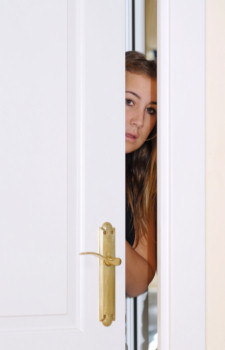
 door
door Mở cửa và xem qua . | Mẹ đã đóng chặt cửa . | Cửa đã bị khóa . | Cửa này rất tồi tàn . | Cửa xe đã bị móp . |
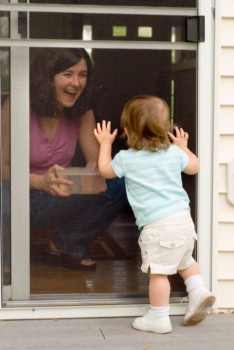

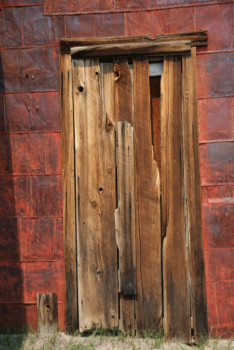

2519扒bā(verb: to push apart)电梯出故障了,我能用手把门扒开吗?Diàntī chū gùzhàng le, wǒ néng yòng shǒu bǎ mén bākāi ma?The elevator is out of order. Can I push the (elevator's) doors open with my hands?Thang máy bị hỏng, tôi có thể dùng tay mở cửa được không? | ||||||||||
2527把手bǎshou(noun: handle, knob)卧室的门把手坏了。Wòshì de mén bǎshou huài le.The bedroom's door handle is broken.Tay nắm cửa phòng ngủ bị gãy. | ||||||||||
2990对联duìlián(noun: rhyming couplet, pair of lines of verse written vertically down the sides of a doorway)春节到了,家家户户都会在门口贴上对联。Chūnjié dào le, jiājiāhùhù doū huì zài ménkǒu tiē shàng duìlián.When the Spring Festival comes, every family will stick rhyming couplets on the sides of the door.Khi lễ hội mùa xuân đến, mọi nhà đều dán câu đối trước cửa nhà. | ||||||||||
3197钩子gōuzi(noun: hook)你可以将大衣挂在门后的钩子上。Nǐ kěyǐ jiāng dàyī guà zài mén hòu de gōuzi shàng.You can hang your coat on the hook behind the door.Bạn có thể treo áo khoác lên móc phía sau cánh cửa. | ||||||||||
3690溜liū(verb: to slip away / to sneak off)他从后门溜了出去,没有被人发现。Tā cóng hòumén liū le chuqu, méiyǒu bèi rén fāxiàn.He slipped out the back door and was not seen by anyone.Anh lẻn ra cửa sau mà không bị chú ý. | ||||||||||
3812嗯en(interjection: [indicating approval, appreciation or agreement])门口那把雨伞是你的吧?| 嗯。Ménkǒu nà bǎ yǔsǎn shì nǐ de ba? | En.Is that umbrella at the door yours? | Uh-huh.Chiếc ô ở cửa có phải của bạn không? | Ừm. | ||||||||||
4019扰乱rǎoluàn(verb: to disturb / to disrupt)隔壁工地的工人一大早就开始施工,严重扰乱了我们的睡眠。Gébì gōngdì de gōngrén yī dà zǎo jiù kāishǐ shīgōng, yánzhòng rǎoluàn le wǒmen de shuìmián.The workers from the construction site next door started working early in the morning, which seriously disturbed our sleep.Các công nhân ở công trường bên cạnh bắt đầu thi công từ sáng sớm, khiến giấc ngủ của chúng tôi bị gián đoạn nghiêm trọng. | ||||||||||
4407无可奈何wúkěnàihé(idiom: to have no alternative / to have no way out)面对突如其来的大雨,我们只能无可奈何地被困在室内。Miànduì tūrúqílái de dàyǔ, wǒmen zhǐnéng wúkěnàihé de bèi kùn zài shìnèi.Faced with the sudden heavy rain, there was nothing we could do but be trapped indoors.Trước cơn mưa lớn bất ngờ, chúng tôi không còn cách nào khác là phải mắc kẹt trong nhà. | ||||||||||
4695油漆yóuqī(noun: oil paints)这个门需要重新涂上一层油漆。Zhège mén xūyào chóngxīn tú shang yī céng yóuqī.This door needs to be repainted with a new layer of paint.Cánh cửa này cần một lớp sơn mới. | ||||||||||
4741砸zá(verb: to smash / to pound / to muck up)小偷用铁锤砸烂了店铺的玻璃门。Xiǎotōu yòng tiě chuí zálàn le diànpù de bōli mén.The thief smashed the glass door of the shop with a hammer.Tên trộm dùng búa đập vỡ cửa kính cửa hàng. | ||||||||||
4798照样zhàoyàng(adverb: in the same way as usual / as before / still / nevertheless)天气虽然不佳,但我们照样决定进行户外活动。Tiānqì suīrán bùjiā, dàn wǒmen zhàoyàng juédìng jìnxíng hùwài huódòng.Despite the bad weather, we still decided to go ahead with the outdoor activities.Mặc dù thời tiết không tốt nhưng chúng tôi vẫn quyết định tham gia các hoạt động ngoài trời. | ||||||||||