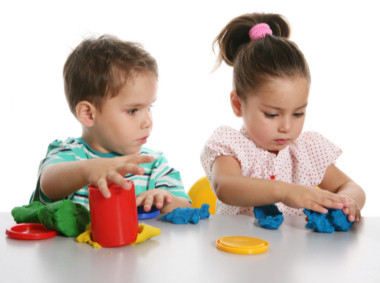
Cô ấy là người hẹp hòi và không thể dung thứ cho người khác .
她心眼窄,容不下别人。

She is narrow-minded and can not tolerate other people .
Sie ist engstirnig und hat keine Toleranz für andere.
Cô ấy là người hẹp hòi và không thể dung thứ cho người khác .
她 心眼 窄 , 容不下 别人 。
Tā xīnyǎn zhǎi, róngbuxià biéren.
(2773)
2533 拜年 bàinián (verb: to pay a New Year visit) 我们来外婆家拜年。
Wǒmen lái wàipó jiā bàinián. We came to pay my grandmother a New Year visit. Chúng tôi đến nhà bà ngoại để chúc Tết.
| 2606 鼻涕 bíti (noun: nasal mucus) 除了流鼻涕,我没有其它的症状。
Chúle liúbítì, wǒ méiyǒu qítā de zhèngzhuàng. I have no symptoms other than a runny nose. Ngoài sổ mũi ra, tôi không có triệu chứng nào khác.
| 2608 碧玉 bìyù (noun: jade) 这个碧玉手镯是我奶奶送给我的。
Zhège bìyù shǒuzhuó shì wǒ nǎinai sònggěi wǒ de. This jade bracelet is a present from my grandmother. Chiếc vòng tay ngọc thạch anh này được bà tôi tặng cho tôi.
| 2706 仓促 cāngcù (adjective: hurried, hasty) 你们认识才三个月就要结婚,是不是太仓促了?
Nǐmen rènshi cái sān gè yuè jiùyào jiéhūn, shì bùshì tài cāngcù le? You two are getting married after knowing each other for only 3 months?! Isn't that a bit hasty? Hai người mới quen nhau ba tháng mà đã kết hôn, có phải quá vội vàng không?
| 2709 操劳 cāoláo (verb: to work hard, to look after) 为了这个家,母亲操劳了一生。
Wèile zhège jiā, mǔqīn cāoláo le yīshēng. My mother has worked her whole life for our family. Mẹ tôi đã vất vả cả đời vì gia đình này.
| 2838 垂直 chuízhí (adjective: vertical, perpendicular) 这两条线互相垂直。
Zhè liǎng tiáo xiàn hùxiāng chuízhí. These two lines are perpendicular to each other. Hai đường thẳng này vuông góc với nhau.
| 2869 打架 dǎjià (verb: to fight, to scuffle, to come to blows) 小时候我和弟弟经常打架。
Xiǎoshíhou wǒ hé dìdi jīngcháng dǎjià. When we were young, my brother and I often fought. Khi còn nhỏ, tôi và anh trai thường xuyên đánh nhau.
| 2899 当事人 dāngshìrén (noun: party [to a lawsuit], litigant [lawyers will refer to their clients with this term]) 对方希望和解,可我的当事人不同意。
Duìfāng xīwàng héjiě, kě wǒ de dāngshìrén bù tóngyì. The other party wants a settlement, but my client doesn't agree. Bên kia muốn giải quyết nhưng khách hàng của tôi không đồng ý.
| 2930 垫 diàn (verb: to pad, to put something under to raise or level) 这床不够软,我们再垫一张棉被吧。
Zhè chuáng bùgòu ruǎn, wǒmen zài diàn yī zhāng miánbèi ba. This bed is not soft enough, so let's put another quilt on top of it to provide some cushion. Giường này không đủ mềm, chúng ta đắp một cái chăn khác lên nhé.
| 2945 盯 dīng (verb: to gaze at, to fix one's eyes on, to watch attentively) 盯着别人看是不礼貌的行为。
Dīng zhe biéren kàn shì bù lǐmào de xíngwéi. It is impolite to stare at others. Nhìn chằm chằm vào người khác là thô lỗ.
| 3052 诽谤 fěibàng (verb: to slander, to libel, to defame) 说话要有真凭实据,不能随意诽谤别人。
Shuōhuà yào yǒu zhēnpíngshíjù, bùnéng suíyì fěibàng biéren. You need to speak based on truth and not slander others at will. Những gì bạn nói phải dựa trên bằng chứng thực tế và bạn không thể tùy ý vu khống người khác.
| 3072 坟墓 fénmù (noun: tomb) 这两座坟墓分别是我祖父和祖母的。
Zhè liǎng zuò fénmù fēnbié shì wǒ zǔfù hé zǔmǔ de. These two separate tombs belong to my grandfather and grandmother. Hai ngôi mộ này lần lượt thuộc về ông nội và bà nội tôi.
| 3088 丰盛 fēngshèng (adjective: [of food] rich, sumptuous) 在我生日那天,妈妈为我准备了一顿丰盛的晚餐。
Zài wǒ shēngrì nàtiān, māma wèi wǒ zhǔnbèi le yī dùn fēngshèng de wǎncān. On my birthday, my mother prepared me a big dinner. Vào ngày sinh nhật của tôi, mẹ tôi đã chuẩn bị một bữa tối thịnh soạn cho tôi.
| 3099 夫妇 fūfù (noun: [married] couple, husband and wife) 这对夫妇结婚十年了,依然非常恩爱。
Zhè duì fūfù jiéhūn shí nián le, yīrán fēicháng ēn'ài. The couple have been married for ten years and still love each other very much. Cặp đôi đã kết hôn được mười năm và vẫn rất yêu nhau.
| 3102 附和 fùhè (verb: to echo [what somebody says], to go along with) 做人要有主见,对于别人的言论,不要总是随声附和。
Zuòrén yào yǒu zhǔjiàn, duìyú biérén de yánlùn, bùyào zǒng shì suíshēngfùhè. You need to have your own mind and don't always repeat what others say. Bạn nên có tư duy độc lập và không phải lúc nào cũng nghe theo những gì người khác nói.
| 3105 腐烂 fǔlàn (verb: to rot, to perish) 夏天天气炎热,水果要放在冰箱里,否则会很快腐烂。
Xiàtiān tiānqì yánrè, shuǐguǒ yào fàng zài bīngxiāng lǐ, fǒuzé huì hěn kuài fǔlàn. It's hot in the summertime, so fruits should be put in the refrigerator, otherwise they will rot quickly. Thời tiết mùa hè nắng nóng nên hoa quả nên bảo quản trong tủ lạnh, nếu không hoa quả sẽ nhanh hỏng.
| 3118 抚养 fǔyǎng (verb: to foster, to bring up) 她父母常年在外打工,所以她是由奶奶抚养长大的。
Tā fùmǔ chángnián zàiwài dǎgōng, suǒyǐ tā shì yóu nǎinai fǔyǎng zhǎngdà de. Her parents work away all year round, so she was raised by her grandmother. Cha mẹ cô làm việc bên ngoài quanh năm nên cô được bà ngoại nuôi dưỡng.
| 3133 甘心 gānxīn (verb: to resign oneself to, to be reconciled to, to be content with) 我决定自己创业是因为我不甘心给别人打工一辈子。
Wǒ juédìng zìjǐ chuàngyè shì yīnwèi wǒ bù gānxīn gěi biéren dǎgōng yībèizi. I decided to start my own business because I wasn't content with working for others forever. Tôi quyết định khởi nghiệp kinh doanh riêng vì tôi không sẵn lòng làm việc cho người khác cả đời.
| 3187 公然 gōngrán (adverb: openly, publicly) 他竟敢公然在我面前与其他女人调情!
Tā jìnggǎn gōngrán zài wǒ miànqián yǔ qítā nǚrén tiáoqíng! How dare he openly flirt with other women in front of me! Sao anh ta dám công khai tán tỉnh người phụ nữ khác trước mặt tôi!
| 3215 拐杖 guǎizhàng (noun: walking stick, cane) 奶奶拄着拐杖向我走来。
Nǎinai zhǔ zhe guǎizhàng xiàng wǒ zǒu lái. My grandmother walked towards me with a walking stick. Bà đi về phía tôi bằng nạng.
| 3246 过问 guòwèn (verb: to ask about, to be concerned with) 爸爸工作上的事儿,妈妈很少过问。
Bàba gōngzuò shàng de shìr, māma hěn shǎo guòwèn. My mother seldom asks about my father's work. Mẹ hiếm khi can thiệp vào công việc của bố.
| 3274 和解 héjiě (verb: to settle [a dispute out of court], to reconcile) 他们昨天吵架,今天又和解了。
Tāmen zuótiān chǎojià, jīntiān yòu héjiě le. They had a quarrel yesterday, but they reconciled with each other today. Hôm qua họ đã cãi nhau và hôm nay đã hòa giải.
| 3308 华侨 Huáqiáo (noun: overseas Chinese, [in a restricted sense] Chinese emigrant who still retains Chinese nationality) 这位华侨在他八十岁时终于回到了祖国。
Zhè wèi huáqiáo zài tā bāshí suì shí zhōngyú huídào le zǔguó. This overseas Chinese finally returned to his motherland at the age of 80. Hoa kiều cuối cùng đã trở về quê hương khi ông đã tám mươi tuổi.
| 3380 寄托 jìtuō (verb: to place [hope, etc.] on) 不要总是把希望寄托在别人身上。
Bùyào zǒngshì bǎ xīwàng jìtuō zài biéren shēnshang. Don't always place your hopes on others. Đừng luôn đặt hy vọng của mình vào người khác.
| 3385 讥笑 jīxiào (verb: to sneer at, to ridicule) 对于他人的缺点,我们不能讥笑和歧视。
Duìyú tārén de quēdiǎn, wǒmen bùnéng jīxiào hé qíshì. We can't ridicule and discriminate against the shortcomings of others. Chúng ta không thể chế giễu hay phân biệt đối xử với những khuyết điểm của người khác.
| 3394 及早 jízǎo (adverb: as soon as possible, before it is too late) 这种病要及早治疗,否则可能会有生命危险。
Zhèzhǒng bìng yào jízǎo zhìliáo, fǒuzé kěnéng huì yǒu shēngmìng wēixiǎn. This disease should be treated as soon as possible, otherwise it may be life-threatening. Bệnh này phải được điều trị sớm, nếu không có thể nguy hiểm đến tính mạng.
| 3447 搅拌 jiǎobàn (verb: to stir, to mix up) 将鸡蛋和白糖搅拌均匀后再加面粉和其他材料。
Jiāng jīdàn hé báitáng jiǎobàn jūnyún hòu zài jiā miànfěn hé qítā cáiliào. Stir the eggs and sugar well, then add flour and other ingredients. Trộn đều trứng và đường rồi cho bột mì và các nguyên liệu khác vào.
| 3563 看待 kàndài (verb: to look upon, to regard) 我们看待事物要有自己的主见,不能人云亦云。
Wǒmen kàndài shìwù yào yǒu zìjǐ de zhǔjiàn, bùnéng rényúnyìyún. We must have our own opinions when we look at things and not follow what others say. Chúng ta phải có ý kiến riêng của mình khi nhìn sự việc và chúng ta không thể làm theo những gì người khác nói.
| 3574 考验 kǎoyàn (verb: to test, to try) 命运好像有意要考验他一样,不幸接踵而来。
Mìngyùn hǎoxiàng yǒuyì yào kǎoyàn tā yīyàng, bùxìng jiēzhǒng'érlái. As if fate intended to test him, misfortunes came one after another. Như thể số phận muốn thử thách anh, những bất hạnh nối tiếp nhau.
| 3621 扩散 kuòsàn (verb: to spread / to diffuse / to scatter) 他体内的癌细胞已经扩散到了身体的其他部位。
Tā tǐnèi de áixìbāo yǐjīng kuòsàn dào le shēntǐ de qítā bùwèi. The cancer cells in him have spread to other parts of his body. Các tế bào ung thư trong cơ thể anh đã lan sang các bộ phận khác trên cơ thể anh.
| 3654 力所能及 lìsuǒnéngjí (idiom: within one's powers) 他并不是一个有钱的人,但他会为别人提供力所能及的帮助。
Tā bìng bùshì yī gè yǒuqián de rén, dàn tā huì wèi biéren tígōng lìsuǒ néngjí de bāngzhù. He is not wealthy person, but he provides help for others within his capability. Anh ấy không phải là người giàu có nhưng anh ấy sẽ giúp đỡ người khác bằng hết khả năng của mình.
| 3662 联欢 liánhuān (verb: to have a get-together [or social gathering]) 我们公司举行了一场联欢会,让员工们可以放松心情,增进彼此之间的感情。
Wǒmen gōngsī jǔxíng le yī chǎng liánhuānhuì, ràng yuángōng men kěyǐ fàngsōng xīnqíng, zēngjìn bǐcǐ zhījiān de gǎnqíng. Our company held a party to allow the employees to relax and enhance their relationships with each other. Công ty chúng tôi tổ chức tiệc để nhân viên có thể thư giãn và gắn kết với nhau.
| 3715 螺丝钉 luósīdīng (noun: screw) 墙上的螺丝钉松了,得赶快拧紧,否则相框会掉下来的。
Qiáng shang de luósīdīng sōng le, děi gǎnkuài nǐng jǐn, fǒuzé xiàngkuàng huì diào xialai de. The screws on the wall are loose. You have to tighten them quickly, otherwise the photo frame will fall off. Các ốc vít trên tường bị lỏng và phải được siết chặt nhanh chóng, nếu không khung tranh sẽ rơi ra.
| 3732 埋怨 mányuàn (verb: to complain / to blame) 与其互相埋怨,不如设法解决问题。
Yǔqí hùxiāng mányuàn, bùrú shèfǎ jiějué wèntí. Rather than blaming each other, we should try to solve the problem. Thay vì đổ lỗi cho nhau, hãy cố gắng giải quyết vấn đề.
| 3778 明明 míngmíng (adverb: obviously / undoubtedly / plainly) 这件事情明明是你的责任,为什么要怪别人呢?
Zhè jiàn shìqing míngmíng shì nǐ de zérèn, wèishénme yào guài biéren ne? Why are you blaming others when it is clearly your responsibility for this matter? Chuyện này rõ ràng là trách nhiệm của bạn, tại sao bạn lại phải đổ lỗi cho người khác?
| 3785 磨合 móhé (verb: [of people] to learn to get along / to break in / to wear in) 新婚夫妻需要一段时间的磨合,才能适应彼此的生活习惯。
Xīnhūn fūqī xūyào yī duàn shíjiān de móhé, cái néng shìyìng bǐcǐ de shēnghuó xíguàn. Newlyweds need a period of breaking-in to adapt to each other's living habits. Đôi vợ chồng mới cưới cần một khoảng thời gian để thích nghi với thói quen sinh hoạt của nhau.
| 3798 母语 mǔyǔ (noun: mother tongue) 在国外待得太久,我连母语都讲不利索了。
Zài guówài dāi de tài jiǔ, wǒ lián mǔyǔ dōu jiǎng bù lìsuo le. I've stayed abroad for so long that I can't speak my mother tongue fluently anymore. Sau khi ở nước ngoài quá lâu, tôi thậm chí không thể nói được tiếng mẹ đẻ của mình nữa.
| 3828 挪 nuó (verb: to move / to shift) 她的床太重了,需要两个人才能把它挪到另一个房间。
Tā de chuáng tài zhòng le, xūyào liǎng gè rén cái néng bǎ tā nuó dào lìngyī gè fángjiān. Her bed is so heavy that it needs two people to move it to another room. Giường của cô nặng đến mức phải hai người mới chuyển nó sang phòng khác.
| 3829 哦 ó (interjection: [expressing surprise or doubt]) 哦,你们俩认识?
Ó, nǐmen liǎ rènshi? What? You two know each other? Ồ, hai người quen nhau à?
| 3830 殴打 ōudǎ (verb: to beat up) 那两名醉汉因一些琐事互相殴打了起来。
Nà liǎng míng zuìhàn yīn yīxiē suǒshì hùxiāng ōudǎ le qilai. The two drunks started to beat each other over some trivial matters. Hai người say rượu cãi nhau vì một chuyện nhỏ nhặt nào đó.
| 3944 迁就 qiānjiù (verb: to accommodate / to compromise / to make concessions) 我们不能一味地迁就他人的需求。
Wǒmen bùnéng yīwèi de qiānjiù tārén de xūqiú. We cannot always blindly accommodate other people's needs. Chúng ta không thể mù quáng đáp ứng nhu cầu của người khác.
| 3996 区域 qūyù (noun: area / region / district) 这个区域的房价一直居高不下,许多人都只能选择其他地点购买房屋。
Zhège qūyù de fángjià yīzhí jūgāobùxià, xǔduō rén dōu zhǐnéng xuǎnzé qítā dìdiǎn gòumǎi fángwū. The housing prices in this area have always been high, so many people can only choose to buy houses in other places. Giá nhà ở khu vực này vẫn ở mức cao, buộc nhiều người phải lựa chọn địa điểm khác để mua nhà.
| 4004 圈套 quāntào (noun: trap / snare) 他不小心掉进了对方设置的圈套,被骗走了全部的积蓄。
Tā bùxiǎoxīn diào jìn le duìfāng shèzhì de quāntào, bèi piàn zǒu le quánbù de jīxù. He inadvertently fell into the trap set by the other party and was deceived into losing all his savings. Anh vô tình rơi vào cái bẫy do đối phương giăng ra và bị lừa toàn bộ số tiền tiết kiệm.
| 4020 饶恕 ráoshù (verb: to forgive / to pardon) 面对对方的错误,我选择了饶恕,因为我知道每个人都会犯错,包括我自己。
Miànduì duìfāng de cuòwù, wǒ xuǎnzé le ráoshù, yīnwèi wǒ zhīdào měigerén dōu huì fàncuò, bāokuò wǒ zìjǐ. When facing the mistake of the other person, I chose to forgive, because I know everyone makes mistakes, including myself. Đối mặt với lỗi lầm của người khác, tôi chọn cách tha thứ vì tôi biết ai cũng mắc lỗi lầm, kể cả bản thân mình.
| 4029 人家 rénjia (pronoun: others / person or persons other than the spaker or hearer) 既然人家能做到,那我们为什么不可以呢?
Jìrán rénjia néng zuòdào, nà wǒmen wèishénme bùkěyǐ ne? If other people can do it, why can't we? Nếu người khác làm được thì tại sao chúng ta lại không?
| 4049 融洽 róngqià (adjective: harmonious / in good relations) 我们的团队合作非常融洽,每个人都愿意帮助其他人。
Wǒmen de tuánduì hézuò fēicháng róngqià, měigerén dōu yuànyì bāngzhù qítā rén. Our team members have a very harmonious cooperation and everyone is willing to help each other. Chúng tôi làm việc rất tốt với tư cách là một nhóm và mọi người đều sẵn sàng giúp đỡ người khác.
| 4050 容忍 róngrěn (verb: to tolerate / to put up with) 在婚姻中,两个人需要互相理解和容忍。
Zài hūnyīn zhōng, liǎng gè rén xūyào hùxiāng lǐjiě hé róngrěn. In marriage, two people need to understand and tolerate each other. Trong hôn nhân, hai người cần phải hiểu và bao dung nhau.
| 4062 嫂子 sǎozi (noun: elder brother's wife / sister-in-law) 我的哥哥和嫂子在商界都很有名气。
Wǒ de gēge hé sǎozi zài shāngjiè dōu hěn yǒu míngqì. Both my brother and sister-in-law are very famous in the business world. Anh trai và chị dâu tôi đều nổi tiếng trong giới kinh doanh.
| 4072 上级 shàngjí (noun: higher authorities / superiors) 除了部门主管之外,我还有两位直接上级。
Chúle bùmén zhǔguǎn zhīwài, wǒ háiyǒu liǎng wèi zhíjiē shàngjí. Apart from the department supervisor, I also have two other direct superiors. Ngoài trưởng phòng, tôi còn có hai người giám sát trực tiếp.
| 4139 时光 shíguāng (noun: time / period of time) 时光飞逝,转眼间又到了一年的尽头。
Shíguāng fēishì, zhuǎnyǎn jiān yòu dào le yī nián de jìntóu. Time flies, and it's the end of another year in the blink of an eye. Thời gian trôi nhanh, chớp mắt đã đến cuối năm.
| 4147 视力 shìlì (noun: eyesight) 长时间盯着电脑不仅会导致视力下降,还会带来其他健康问题。
Cháng shíjiān dīng zhe diànnǎo bùjǐn huì dǎozhì shìlì xiàjiàng, hái huì dàilái qítā jiànkāng wèntí. Staring at a computer for a long time can not only lead to vision loss, but also other health problems. Nhìn chằm chằm vào máy tính trong thời gian dài không chỉ có thể dẫn đến giảm thị lực mà còn gây ra các vấn đề sức khỏe khác.
| 4164 事业 shìyè (noun: career / occupation) 作为一名母亲,要平衡好事业和家庭是非常困难的。
Zuòwéi yī míng mǔqīn, yào pínghéng hǎo shìyè hé jiātíng shì fēicháng kùnnan de. As a mother, it can be very difficult to balance career and family. Là một người mẹ, việc cân bằng giữa sự nghiệp và gia đình có thể rất khó khăn.
| 4177 收缩 shōusuō (verb: to shrink / to contract) 如果你的血管收缩过度,就可能会导致高血压和其他健康问题。
Rúguǒ nǐ de xuèguǎn shōusuō guòdù, jiù kěnéng huì dǎozhì gāoxuèyā hé qítā jiànkāng wèntí. If your blood vessels contract excessively, it can lead to high blood pressure and other health problems. Nếu mạch máu của bạn co lại quá nhiều, nó có thể dẫn đến huyết áp cao và các vấn đề sức khỏe khác.
| 4230 隧道 suìdào (noun: tunnel) 我们要穿过一条隧道才能到达另一边的山谷。
Wǒmen yào chuānguò yī tiáo suìdào cái néng dàodá lìngyī biān de shāngǔ. We have to pass through a tunnel to reach the valley on the other side. Chúng tôi phải đi qua một đường hầm để đến được thung lũng phía bên kia.
| 4260 淘气 táoqì (noun: naughty / mischievous) 我小时候非常淘气,经常惹妈妈生气。
Wǒ xiǎoshíhou fēicháng táoqì, jīngcháng rě māma shēngqì. I was very mischievous when I was a child and often made my mother angry. Hồi nhỏ tôi rất nghịch ngợm và thường xuyên làm mẹ giận.
| 4288 条理 tiáolǐ (noun: order / arrangement / system / structure [It refers to a logical and organized way of presenting or organizing informa 文章要有清晰的条理结构,否则读者可能会感到困惑,失去阅读的兴趣。
Wénzhāng yào yǒu qīngxī de tiáolǐ jiégòu, fǒuzé dúzhě kěnéng huì gǎndào kùnhuò, shīqù yuèdú de xìngqù. An article should have a clear and organized structure, otherwise readers may feel confused and lose interest in reading. Bài viết phải có cấu trúc rõ ràng, logic, nếu không người đọc có thể bối rối và mất hứng thú đọc.
| 4299 同胞 tóngbāo (noun: brother or sister by blood / fellow citizen / compatriot) 在遇到困难的时候,我们的同胞总是能够互相扶持。
Zài yùdào kùnnan de shíhou, wǒmen de tóngbāo zǒngshì nénggòu hùxiāng fúchí. Our compatriots always support each other in times of difficulties. Đồng bào chúng ta luôn có thể hỗ trợ lẫn nhau trong lúc khó khăn.
| 4320 团结 tuánjié (verb: to unite) 在这个困难的时期,我们应该团结起来,相互支持,共同度过难关。
Zài zhège kùnnan de shíqī, wǒmen yīnggāi tuánjié qilai, xiānghù zhīchí, gòngtóng dùguò nánguān. In this difficult time, we should unite and support each other to overcome the difficulties together. Trong thời điểm khó khăn này, chúng ta nên đoàn kết, hỗ trợ lẫn nhau và cùng nhau vượt qua.
| 4349 万分 wànfēn (adverb: very much / extremely) 他为失去母亲而痛苦万分。
Tā wèi shīqù mǔqīn ér tòngkǔ wànfēn. He was devastated by the loss of his mother. Anh suy sụp vì mất mẹ.
| 4452 贤惠 xiánhuì (adjective: [of a woman] amiable / wise and kind / perfect in her traditional roles) 她的母亲总是鼓励她成为一个温柔贤惠的女子。
Tā de mǔqīn zǒngshì gǔlì tā chéngwéi yī gè wēnróu xiánhuì de nǚzǐ. Her mother always encouraged her to be a gentle and virtuous woman. Mẹ cô luôn khuyến khích cô trở thành một người phụ nữ hiền lành và đức hạnh.
| 4470 相辅相成 xiāngfǔxiāngchéng (idiom: to complement one other) 学习和实践是相辅相成的。
Xuéxí hé shíjiàn shì xiāngfǔxiāngchéng de. Learning and practice complement each other. Học và thực hành bổ sung cho nhau.
| 4478 消除 xiāochú (verb: to eliminate / to remove / to clear up) 坦诚相见是消除误会的最好办法。
Tǎnchéngxiāngjiàn shì xiāochú wùhuì de zuìhǎo bànfǎ. Being frank and honest with each other is the best way to eliminate misunderstandings. Thành thật là cách tốt nhất để giải quyết những hiểu lầm.
| 4505 薪水 xīnshui (noun: salary / wage / pay) 这个行业的薪水普遍比其他行业要高,但是压力也很大。
Zhège hángyè de xīnshuǐ pǔbiàn bǐ qítā hángyè yào gāo, dànshì yālì yě hěn dà. The salary in this industry is generally higher than in other industries, but the pressure is also higher. Mức lương trong ngành này nhìn chung cao hơn các ngành khác nhưng áp lực cũng cao.
| 4511 心眼儿 xīnyǎnr (noun: mind / intention / cleverness) 做生意要有点心眼儿,否则很容易被别人占便宜。
Zuòshēngyì yào yǒu diǎn xīnyǎnr, fǒuzé hěn róngyì bèi biéren zhànpiányi. One should be a little shrewd when doing business, otherwise it's easy to be taken advantage of by others. Bạn phải thông minh khi làm kinh doanh, nếu không bạn sẽ dễ bị người khác lợi dụng.
| 4567 熏陶 xūntáo (verb: to influence and educate someone in a positive way through one's words, actions, or ideas / to nurture / to cultivate) 在母亲的熏陶下,她对音乐产生了浓厚的兴趣。
Zài mǔqīn de xūntáo xià, tā duì yīnyuè chǎnshēng le nónghòu de xìngqù. Under the influence of her mother, she developed a strong interest in music. Dưới ảnh hưởng của mẹ, cô phát triển niềm yêu thích với âm nhạc.
| 4609 要不然 yàobùrán (conjunction: otherwise / or else) 快点,要不然太阳就要下山了。
Kuàidiǎn, yàobùrán tàiyáng jiùyào xiàshān le. Hurry up, otherwise the sun will go down. Nhanh lên nếu không mặt trời sẽ lặn.
| 4636 依靠 yīkào (verb: to rely on / to depend on) 不要老想着依靠别人,而是要自己发奋努力。
Bùyào lǎo xiǎng zhe yīkào biéren, érshì yào zìjǐ fāfèn nǔlì. Don't always rely on others, but instead, strive and work hard on your own. Đừng lúc nào cũng nghĩ đến việc dựa dẫm vào người khác mà hãy tự mình nỗ lực.
| 4668 阴谋 yīnmóu (noun: plot / conspiracy / scheme) 有人声称这是一场政治阴谋,而另一些人则认为这只是简单的巧合。
Yǒurén shēngchēng zhè shì yī chǎng zhèngzhì yīnmóu, ér lìng yīxiē rén zé rènwéi zhè zhǐshì jiǎndān de qiǎohé. Some people claimed it was a political conspiracy, while others saw it as a simple coincidence. Một số người cho rằng đó là một âm mưu chính trị, trong khi những người khác tin rằng đó chỉ là một sự trùng hợp ngẫu nhiên.
| 4800 照应 zhàoying (verb: to take care of / to look after) 看护人员会照应病人的生活起居、饮食和卫生等方面的需求。
Kānhù rényuán huì zhàoying bìngrén de shēnghuó qǐjū, yǐnshí hé wèishēng děng fāngmiàn de xūqiú. Caregivers attend to the daily life, diet, hygiene, and other needs of the patients. Người chăm sóc chăm sóc các nhu cầu sinh hoạt, ăn kiêng và vệ sinh hàng ngày của bệnh nhân.
| 4808 振奋 zhènfèn (verb: to inspire / to stimulate) 我国又一次核试验成功了,这是振奋人心的喜讯。
Wǒguó yòuyīcì héshìyàn chénggōng le, zhè shì zhènfèn rénxīn de xǐxùn. Our country has successfully conducted another nuclear test, which is an uplifting news. Đất nước chúng ta đã thử nghiệm thành công một loại vũ khí hạt nhân khác, đây là một tin tức thú vị.
| 4849 支撑 zhīchēng (verb: to support / to prop up / to sustain) 母亲失去工作后,一家人的生活全靠父亲支撑。
Mǔqīn shīqù gōngzuò hòu, yījiārén de shēnghuó quán kào fùqīn zhīchēng. After the mother lost her job, the family's livelihood relies solely on the father. Sau khi mẹ mất việc, cuộc sống của gia đình phụ thuộc hoàn toàn vào người cha.
| 4870 智商 zhìshāng (noun: IQ) 他虽然智商高,但他缺乏社交技能,不擅长与人沟通。
Tā suīrán zhìshāng gāo, dàn tā quēfá shèjiāo jìnéng, bù shàncháng yǔ rén gōutōng. Although he has a high IQ, he lacks social skills and is not good at communicating with others. Tuy có chỉ số IQ cao nhưng lại thiếu kỹ năng xã hội và không giỏi giao tiếp với người khác.
| 4878 指责 zhǐzé (verb: to criticize / to denounce / to find fault with) 我们不应该互相指责,而是应该团结一致解决问题。
Wǒmen bù yīnggāi hùxiāng zhǐzé, érshì yīnggāi tuánjiéyīzhì jiějué wèntí. We should not blame each other, but instead unite together to solve the problem. Thay vì đổ lỗi cho nhau, chúng ta nên cùng nhau giải quyết vấn đề.
| 4887 肿瘤 zhǒngliú (noun: tumor) 化疗是治疗肿瘤常见的手段之一,但是它带来的副作用也是不容忽视的。
Huàliáo shì zhìliáo zhǒngliú chángjiàn de shǒuduàn zhīyī, dànshì tā dàilái de fùzuòyòng yě shì bùróng hūshì de. Chemotherapy is one of the commonly used methods to treat cancer, but the side effects it brings cannot be ignored. Hóa trị là một trong những phương pháp điều trị khối u phổ biến nhưng không thể bỏ qua tác dụng phụ của nó.
| 4917 主权 zhǔquán (noun: sovereignty) 任何国家都不应该侵犯其他国家的主权。
Rènhé guójiā dōu bù yīnggāi qīnfàn qítā guójiā de zhǔquán. No country should infringe upon the sovereignty of other countries. Không nước nào được xâm phạm chủ quyền của nước khác.
| 4962 自力更生 zìlìgēngshēng (idiom: to be self-reliant) 我们应该鼓励年轻人创业,实现自力更生,而不是依赖于他人或政府援助。
Wǒmen yīnggāi gǔlì niánqīngrén chuàngyè, shíxiàn zìlìgēngshēng, ér bùshì yīlài yú tārén huò zhèngfǔ yuánzhù. We should encourage young people to be entrepreneurial and self-reliant, rather than dependent on others or on government assistance. Chúng ta nên khuyến khích những người trẻ khởi nghiệp kinh doanh riêng và trở nên tự chủ hơn là dựa vào người khác hoặc sự trợ giúp của chính phủ.
| 4970 自主 zìzhǔ (adjective: autonomous / self-determined / independent) 我们应该鼓励孩子们自主思考,而不是机械地接受他人的观点。
Wǒmen yīnggāi gǔlì háizimen zìzhǔ sīkǎo, ér bùshì jīxiè de jiēshòu tārén de guāndiǎn. We should encourage children to think independently, rather than mechanically accepting the views of others. Chúng ta nên khuyến khích trẻ tự suy nghĩ thay vì chấp nhận một cách máy móc ý kiến của người khác.
|
 chuyện của người ta chuyện của người ta  other peoples’ business other peoples’ business
các người khác other people
các nơi khác other places
kẻ khác other person
những chuyện khác other things
những người khác other people
những nơi khác other places
nơi khác other place, other location
nước khác other country, nation
tay kia other hand
tinh cầu xa lạ other planet, outer space
bên cạnh đó on the other hand
bên kia across, beyond, over, (on) the other side of
bên kia bờ the other side
bề trái the other side (of a coin, an issue)
bề trái của tình trạng the other side of the situation
bữa nọ the other day
bữa trước the other day
chung đụng to clash, share with other people
chuộng to value above other things, attach importance to
chẳng ai khác hơn là to be none other than (person)
chống tay opposite hand, other hand
con (1) [CL for animals and other small objects]; (2) child; you (said to a child by a parent); I (said to a parent by a child), I (said by a believer to a religious figure); (3) young, small, baby
cười ra nước mắt to laugh on the other side
giao phong engage in fighting each other on
giáp chiến face each other in fighting, be line up in battle-array in front
hôm nọ the other day
khuân to carry (heavy things, usually with other people)
không có cách nói nào khác there’s no other way to say it
không nhiều như người ta tưởng not as much as other people think
không đồng ý với nhau trên nhiều vấn đề to not agree with each other on many issues
kiêm luôn at the same time, in addition to one’s other duties
làm ơn cho nhau to do each other favors
lại nữa in addition, on the other hand
mặt khác on the other hand, alternatively
một gương mẫu cho những người khác an example, model for other people
một mặt ~ một mặt khác ~ on one hand ~ on the other hand ~
nghe nói it is said that, other people say
ngược lại contrary to, conversely, vice versa; on the other hand
nho nhoe dạy đời to have pretensions to lecture other people
như ai like any other (person)
như người ta like other people
nhưng ngược lại but on the other hand
nhắm mắt làm ngơ to ignore, look the other way, pretend not to see, turn a blind eye to
niệm kinh chant sutra or other scriptures
nói (một) cách khác to say another way, in other words
nói cách khác in other words
nơi khác other place, other location
nếu lại if (on the other hand)
nọ that, the other (day); there, over there
phản diện reverse, the other side
quen biết nhau đã lâu to have known each other a long time
thày lay (dialect) get mixed up in other people’s business
thì lại then, on the other hand, in contrast, but, however
thằng khác some other guy, someone else
thế kia that way, the other way
trái lại on the other hand, as opposed to, on the contrary
tối hôm nọ the other night
từ bên này sang bên kia from one side to the other side
xơi to eat (polite verb used of other people); long time; to dig
âm dương đôi ngả this world and the other world
í ới call each other (one another) noisily
ô môi apricots (or other small fruits) preserved in salt, licorice,
ù suông smallest win (in mahjong or other game)
ăn bớt to appropriate other people’s money to oneself, skim (money, profits)
ăn độn to eat rice mixed with other cereals
để khi khác make it another time, some other time (declining an invitation)
đồng ý với nhau trên nhiều điểm to agree with each other on many points
đổi vai to shift the carrying pole to the other shoulder
ở bên kia đầu giây on the other end of the line
kể cho người ta nghe to tell other people, relate a story
bên nhau beside each other, next to each other
bất hòa discord, disagreement, disharmony; in disagreement, at odds with each other
choảng nhau to hit each other
chung sống cùng nhau to live with each other
các báo cáo mâu thuẫn nhau the reports contradict each other
cách nhau apart, distance from each other
cũng hăng hái như ai to be as enthusiastic as any other
cạnh nhau beside, next to each other
cạnh tranh nhau to compete with each other
cọ quẹt vào nhau to rub against each other
giúp đỡ lẫn nhau to help each other
giúp đỡ nhau to help each other
giết nhau to kill each other
giống nhau to be similar, resemble each other
gặp nhau to meet (each other), see each other
gọi nhau to call to each other
hai chú bé nhấm nháy với nhau the two boys winked at each other
hai chị em na ná nhau the two sisters are rather like each other
hiệp trợ join forces and help each other
hôn hít nhau to kiss each other
họp với nhau to meet with each other
hợp tác chặt chẽ với nhau to work closely together, cooperate closely with each other
khớp to jibe, agree with each other
ký với nhau một hiệp ước to sign a treaty, pact with each other
liên hệ chặt chẽ với nhau to be closely related to each other
liên lạc với nhau to communicate with each other
làm chứng cho nhau to vouch for each other
lẫn với nhau with each other
mua tặng nhau to buy presents for each other
ngồi sát nhau to sit close to each other
nhìn nhau to look at each other
này nọ this and that, this, that and the other
nói chuyện với nhau to talk to each other
nói với nhau to talk to each other, talk among each other
nằm cạnh nhau to lie next to each other, be adjacent to each other
quen biết nhau to know each other
tâm sự với nhau to confide in each other
tương đối giống nhau relatively similar to each other
vào nhau into each other, against each other
với nhau with each other
ái ân love, lovemaking; to love each other
ôm nhau to hug each other
đánh nhau to fight, hit each other, beat each other
đâm sầm vào nhau to bump into each other
đính ước be engaged to each other
đôi hồi have friendly talk with each other
đảng đoàn party committee appointed to offices and other
đối nghịch với nhau to be contradictory, be in opposition, conflict with each other
đồng ý với nhau to agree with each other
đổ lỗi cho nhau to blame each other
|
|

 each other