syllable

Vietnamese Tutor


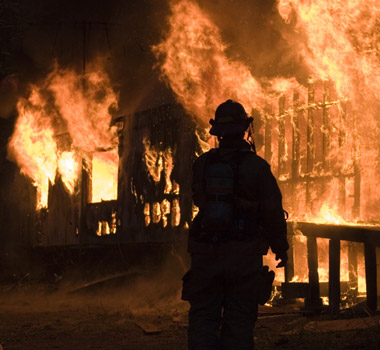
Một đám cháy đã bắt đầu ở đây . ((Một ngọn lửa đã bùng lên ở đây .)
这里发生了火灾。


A fire has started here . ((A fire has broken out here .))
Một đám cháy đã bắt đầu ở đây . ((Một ngọn lửa đã bùng lên ở đây .)


Most Common Compounds Set 1:
#262 coi chừng watch out
#535 thực hiện carry out
#1692 thì ra it turns out
#2048 hóa ra turns out
#2100 nổi bật stand out
#2201 vươn reach out


Em nói về gia đình.

I talk about family.


Anh hỏi về công việc.

He asks about work.


Chị đọc về món ăn.

She reads about food.


Most Common Compounds Set 2:
làm ra trải phun trải dài trục xuất thoát khỏi tỏa dọn đi xóa bùng nổ gạc vung cắt bỏ chảy ra hun khói bỏ đi

Most Common Compounds Set 3 :


Một đám cháy đã bắt đầu ở đây . ((Một ngọn lửa đã bùng lên ở đây .)
这里发生了火灾。


A fire has started here . ((A fire has broken out here .))

Hier ist ein Feuer ausgebrochen.

Một đám cháy đã bắt đầu ở đây . ((Một ngọn lửa đã bùng lên ở đây .)

发生 火灾
Zhèli fāshēngle huǒzāi.


(0556)

Bóng của cô ấy trải đầy trên bãi biển
她的影子印在沙滩上。


Her shadow stretched out across the beach .

Ihr Schatten erstreckte sich über den Strand.

Bóng của cô ấy trải đầy trên bãi biển

影子 印在 沙滩
Tā de yǐngzi yìn zài shātān shàng.


(0797)

Chính phủ sẽ sớm đưa ra một chính sách mới .
政府即将推出新政策。


The government will put out a new policy soon .

Die Regierung wird demnächst eine neue politische Maßnahme in Kraft setzen.

Chính phủ sẽ sớm đưa ra một chính sách mới .

政府 即将 推出 政策
Zhèngfǔ jíjiāng tuīchū xīn zhèngcè.


(0835)

Các học sinh đã ra khỏi lớp .
学生们下课了。


The students have gotten out of class .

Die Schüler haben den Unterricht beendet.

Các học sinh đã ra khỏi lớp .

学生 下课
Xuéshengmen xiàkè le.


(0976)

Quần chúng đòi chính phủ tiến hành cải cách .
群众要求政府进行改革。


The masses demand the government to carry out reforms .

Die Massen fordern von der Regierung Reformen.

Quần chúng đòi chính phủ tiến hành cải cách .

群众 要求 政府 进行 改革
Qúnzhòng yāoqiú zhèngfǔ jìnxíng gǎigé.


(1034)

Cô ấy đang đan một chiếc khăn từ sợi .
她在用毛线织围巾。


She is knitting a scarf out of yarn .

Sie strickt einen Schal aus Garn.

Cô ấy đang đan một chiếc khăn từ sợi .

毛线 围巾
Tā zài yòng máoxiàn zhī wéijīn.


(1060)

Một ngôi sao nổi bật trong đám đông .
明星在人群中很显眼。


A star stands out in the crowd .

Ein Star sticht in der Menge hervor.

Một ngôi sao nổi bật trong đám đông .

明星 人群 显眼
Míngxīng zài rénqún zhōng hěn xiǎnyǎn.


(1078)

Họ đã cạn kiệt năng lượng .
体力用尽了。


They have run out of energy .

Die Kräfte sind erschöpft.

Họ đã cạn kiệt năng lượng .

体力 用尽
Tǐlì yòngjìn le.


(1095)

Một bãi cát lớn trải dài từ đây .
这里延伸出一大片沙洲。


A large sandbar stretches out from here .

Von hier aus erstreckt sich eine große Sandbank.

Một bãi cát lớn trải dài từ đây .

延伸 出一 大片 沙洲
Zhèli yánshēn chū yī dà piàn shāzhōu.


(1170)

Anh lên đường với ánh nắng sớm mai .
他在朝阳时分出发。


He sets out with the early morning sun .

Er macht sich mit der frühen Morgensonne auf den Weg.

Anh lên đường với ánh nắng sớm mai .

朝阳 时分 出发
Tā zài zhāoyàng shífèn chūfā.


(1257)

Một tấm chiếu đã được đặt trên sàn nhà .
地上铺了一张席子。


A mat is laid out on the floor .

Auf dem Boden ist eine Matte ausgelegt.

Một tấm chiếu đã được đặt trên sàn nhà .

上铺 一张 席子
Dìshang pūle yī zhāng xízi.


(1410)

Trời bắt đầu đổ mưa to ngay khi tôi bước ra khỏi cửa .
刚出门,忽然下起了大雨。


It started to rain heavily just when I stepped out the door .

Es begann heftig zu regnen, als ich aus der Tür trat.

Trời bắt đầu đổ mưa to ngay khi tôi bước ra khỏi cửa .

出门 , 忽然 下起 大雨
Gāng chūmén, hūrán xiàqǐle dàyǔ.


(1589)

Mọi người đều phát biểu ý kiến ​​tự do tại cuộc họp .
在会议上大家都畅所欲言。


Everybody spoke out freely at the meeting .

Alle sprachen sich bei dem Treffen frei aus.

Mọi người đều phát biểu ý kiến ​​tự do tại cuộc họp .

会议 大家 畅所欲言
Zài huìyì shàng dàjiā dōu chàng suǒ yù yán.


(1615)

Anh vui mừng duỗi tay ra .
他开心地伸开双手。


He stretched out his arms joyfully .

Er streckte freudig die Arme aus.

Anh vui mừng duỗi tay ra .

开心 伸开 双手
Tā kāixīn de shēnkāi shuāngshǒu.


(1706)

Anh ấy chỉ ra những sai sót trong quá trình xây dựng ngôi nhà .
他指出房子结构的弊端。


He points out flaws in the construction of the house .

Er weist auf Mängel beim Bau des Hauses hin.

Anh ấy chỉ ra những sai sót trong quá trình xây dựng ngôi nhà .

指出 房子 结构 弊端
Tā zhǐchū fángzi jiégòu de bìduān.


(2126)

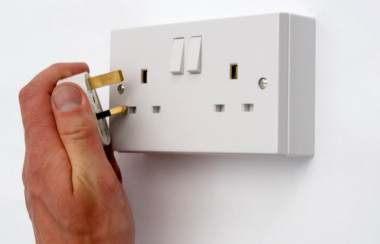
Anh rút phích cắm ra .
他拔掉了插头。


He pulled out the plug .

Er zog den Stecker heraus.

Anh rút phích cắm ra .

拔掉 插头
Tā bádiàole chātóu.


(2247)

Họ trải bản đồ ra trên bàn .
他们在桌子上摊开地图。


They spread the map out on the table .

Sie haben die Karte auf dem Tisch ausgebreitet.

Họ trải bản đồ ra trên bàn .

他们 桌子 摊开 地图
Tāmen zài zhuōzi shàng tānkāi dìtú.


(2379)

Anh ấy hạnh phúc đến mức hét lên thành tiếng .
他高兴得大声呐喊。


He is so happy that he shouted out loud .

Er ist so glücklich, dass er laut aufschreit.

Anh ấy hạnh phúc đến mức hét lên thành tiếng .

高兴 大声 呐喊
Tā gāoxìng de dàshēng nàhǎn.


(2522)

Con tàu ra khơi giữa biển khơi bao la .
船驶入了汪洋大海。


The ship sailed out into the vast sea .

Das Boot fuhr auf den Ozean hinaus.

Con tàu ra khơi giữa biển khơi bao la .

驶入 汪洋大海
Chuán shǐrùle wāngyáng dàhǎi.


(2679)

Con chó con thè lưỡi .
小狗伸出舌头。


The puppy sticks out its tongue .

Der Welpe streckt die Zunge heraus.

Con chó con thè lưỡi .

小狗 伸出 舌头
Xiǎogǒu shēnchū shétou.


(2705)

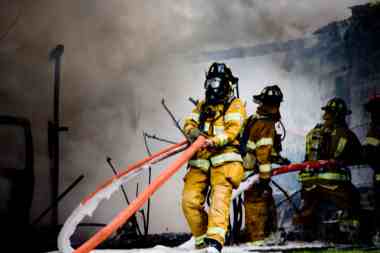
Lực lượng cứu hỏa đã dập lửa .
消防员扑灭了大火。


The firemen have put out the fire .

Die Feuerwehrmänner haben das Feuer gelöscht.

Lực lượng cứu hỏa đã dập lửa .

消防员 扑灭 大火
Xiāofángyuán pūmièle dàhuǒ.


(2863)

Anh ấy đã cắn một miếng bánh quy .
他咬了一口饼干。


He took a bite out of the cookie .

Er nahm einen Bissen von dem Keks.

Anh ấy đã cắn một miếng bánh quy .

咬了一口 饼干
Tā yǎole yī kǒu bǐnggān.


(2870)

Với sự tự tin cao độ, họ lên đường .
满怀信心,他们踏上了征程。


With great confidence , they set out on their journey .

Mit großer Zuversicht machten sie sich auf den Weg.

Với sự tự tin cao độ, họ lên đường .

满怀信心 , 他们 踏上 征程
Mǎnhuái xìnxīn, tāmen tàshangle zhēngchéng.


(2878)

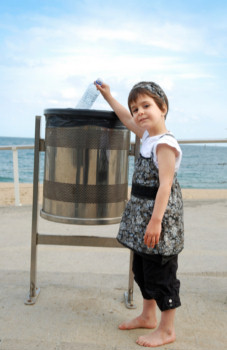
Tôi sẽ vứt rác ra ngoài .
我去扔垃圾。


I take out the garbage .

Ich bringe den Müll raus.

Tôi sẽ vứt rác ra ngoài .

垃圾
Wǒ qù rēng lājī.


(2942)

Họ đã thực hiện hợp đồng .
他们履行了合同。


They have carried out the contract .

Sie haben ihren Vertrag erfüllt.

Họ đã thực hiện hợp đồng .

他们 履行 合同
Tāmen lǚxíngle hétong.


(2976)

Anh ấy tắt thở .
他觉得喘不过气。


He is out of breath .

Er ist außer Atem.

Anh ấy tắt thở .

觉得 不过
Tā juéde chuǎnbuguò qì.


(2990)

Chúng tôi đang cùng nhau thổi tắt những ngọn nến .
我们一起来吹蜡烛。


We are blowing out the candles together .

Wir blasen gemeinsam die Kerzen aus.

Chúng tôi đang cùng nhau thổi tắt những ngọn nến .

我们 起来 蜡烛
Wǒmen yīqǐ lái chuī làzhú.


(3011)

Cô ấy đã sẵn sàng để thổi nến sinh nhật .
她正准备吹生日蜡烛。


She is ready to blow out the birthday candles .

Sie ist bereit, die Geburtstagskerzen auszublasen.

Cô ấy đã sẵn sàng để thổi nến sinh nhật .

准备 生日 蜡烛
Tā zhèng zhǔnbèi chuī shēngri làzhú.


(3086)

Anh ấy đã ngất đi do chấn thương .
他受伤晕倒了。


He passed out due to his injury .

Er wurde wegen seiner Verletzung ohnmächtig.

Anh ấy đã ngất đi do chấn thương .

受伤 晕倒
Tā shòushāng yūndǎo le.


(3240)

Đề phòng móc túi .
当心扒手!


Watch out for pick-pockets .

Achten Sie auf Einstecktaschen.

Đề phòng móc túi .

当心 扒手
Dāngxīn páshǒu!


(3310)

Làm ơn duỗi ra các ngón chân của bạn .
请绷直脚尖。


Please stretch out your toes .

Bitte strecken Sie Ihre Zehen aus.

Làm ơn duỗi ra các ngón chân của bạn .

绷直 脚尖
Qǐng bēngzhí jiǎojiān.


(3403)

Anh ấy đã đánh bật các đối thủ của mình ra khỏi cuộc đua .
他把其他对手淘汰了。


He knocked his opponents out of the race .

Er warf seine Gegner aus dem Rennen.

Anh ấy đã đánh bật các đối thủ của mình ra khỏi cuộc đua .

其他 对手 淘汰
Tā bǎ qítā duìshǒu táotài le.


(3412)

Những ngôi nhà trong ngôi làng này được bày biện ngăn nắp .
这个村庄屋舍俨然。


The houses in this village are laid out neatly .

Die Häuser in diesem Dorf sind ordentlich angelegt.

Những ngôi nhà trong ngôi làng này được bày biện ngăn nắp .

这个 村庄 屋舍 俨然
Zhège cūnzhuāng wūshè-yǎnrán.


(3507)

Bác sĩ đã lấy sạch ráy tai cho anh .
医生帮他清除耳屎。


The doctor cleaned out his earwax for him .

Der Arzt räumte sein Ohrenschmalz für ihn aus.

Bác sĩ đã lấy sạch ráy tai cho anh .

医生 清除 耳屎
Yīshēng bāng tā qīngchú ěrshǐ.


(3538)


2519

(verb: to push apart)

电梯出故障了,我能用手把门扒开吗?


Diàntī chū gùzhàng le, wǒ néng yòng shǒu bǎ mén bākāi ma?

The elevator is out of order. Can I push the (elevator's) doors open with my hands?

Thang máy bị hỏng, tôi có thể dùng tay mở cửa được không?


2537

颁布

bānbù

(verb: to issue, to promulgate [law, regulation, etc.])

对于新颁布的离婚法,你有什么看法?


Duìyú xīn bānbù de líhūn fǎ, nǐ yǒu shénme kànfa?

What do you think of the new divorce law that was just put out?

Bạn nghĩ gì về luật ly hôn mới được ban hành?


2540

伴随

bànsuí

(verb: to accompany, to follow)

贝多芬的音乐伴随了我整个晚上。


Bèiduōfēn de yīnyuè bànsuí le wǒ zhěnggè wǎnshang.

Beethoven's music accompanied me throughout the night.

Âm nhạc của Beethoven ở lại với tôi suốt đêm.


2552

爆发

bàofā

(verb: to break out [e.g., war, revolution, etc.])

第二次世界大战于1939年爆发。


Dì'èr Cì Shìjiè Dàzhàn yú yī jiǔ sān jiǔ nián bàofā.

In 1939, the Second World War broke out.

Thế chiến thứ hai nổ ra vào năm 1939.


2573

保重

bǎozhòng

(verb: [to wish somebody] to take care of themselves)

出门在外,保重身体。


Chūmén zàiwài, bǎozhòng shēntǐ.

Take care of yourself when you go out.

Khi bạn ra ngoài, hãy chăm sóc bản thân.


2585

备忘录

bèiwànglù

(noun: memorandum, memo)

请帮我把这份备忘录打印出来。


Qǐng bāng wǒ bǎ zhè fèn bèiwànglù dǎyìn chūlái.

Please print out this memo for me.

Vui lòng in bản ghi nhớ này ra cho tôi.


2589

本钱

běnqian

(noun: capital [money])

没有本钱,怎么创业?


Méiyǒu běnqián, zěnme chuàngyè?

Without a capital, how do I start a business?

Làm thế nào để bắt đầu kinh doanh mà không cần vốn?


2596

bèng

(verb: to jump, to leap)

他突然间从房间里蹦出来,吓我一跳!


Tā tūránjiān cóng fángjiān lǐ bèng chūlai, xià wǒ yī tiào!

He suddenly jumped out from a room and scared me!

Anh ấy đột ngột nhảy ra khỏi phòng khiến tôi giật mình!


2598

崩溃

bēngkuì

(verb: to collapse [of a country's politics, economy, military, etc.], to break down [emotional])

这个国家的经济即将崩溃。


Zhège guójiā de jīngjì jíjiāng bēngkuì.

The country's economy is about to collapse.

Nền kinh tế đất nước sắp sụp đổ.


2635

表态

biǎotài

(verb: to declare one's position, to say where one stands)

这件事你再想想,不要急于表态。


Zhè jiàn shì nǐ zài xiǎng xiǎng, bùyào jíyú biǎotài.

Think about it some more, don't rush to declare your position.

Hãy suy nghĩ lại về điều này và đừng vội bày tỏ ý kiến ​​​​của mình.


2637

表彰

biǎozhāng

(verb: to commend, to cite)

公司表彰了他的出色表现,并给他加了薪。


Gōngsī biǎozhāng le tā de chūsè biǎoxiàn, bìng gěi tā jiā le xīn.

The company cited his outstanding performance and gave him a raise.

Công ty đã ghi nhận thành tích xuất sắc của anh ấy và tăng lương cho anh ấy.


2667

布局

bùjú

(noun: arrangement, composition, layout)

这个房间的装修风格新潮,布局也很合理。


Zhège fángjiān de zhuāngxiū fēnggé xīncháo, bùjú yě hěn hélǐ.

The decoration style of this house is fashionable and the layout is well thought out.

Phong cách trang trí của căn phòng này rất thời thượng và cách bài trí rất hợp lý.


2678

不像话

bù xiànghuà

(adjective: unreasonable, shocking, outrageous, inappropriate)

你这样对待你朋友,太不像话了!


Nǐ zhèyàng duìdài nǐ péngyou, tài bùxiànghuà le!

It's outrageous of you to treat your friends like that!

Thật là quá đáng khi bạn đối xử với bạn mình như vậy!


2679

不相上下

bùxiāngshàngxià

(idiom: equally matched, about the same)

他们俩的中文水平不相上下。


Tāmen liǎ de Zhōngwén shuǐpíng bùxiāngshàngxià.

Their Chinese is about the same.

Trình độ tiếng Trung của họ là như nhau.


2681

不言而喻

bùyán'éryù

(idiom: it goes without saying, it is self-evident)

你想成功就必须要努力,这是不言而喻的。


Nǐ xiǎng chénggōng jiù bìxū yào nǔlì, zhè shì bùyán'éryù de.

It goes without saying that you must work hard if you want to succeed.

Không cần phải nói rằng bạn phải làm việc chăm chỉ nếu muốn thành công.


2740

昌盛

chāngshèng

(adjective: prosperous)

改革开放以后, 中国更加繁荣昌盛了。


Gǎigékāifàng yǐhòu, Zhōngguó gèngjiā fánróngchāngshèng le.

After China reformed and opened up to the outside world, it became more prosperous.

Sau cải cách và mở cửa, Trung Quốc ngày càng thịnh vượng hơn.


2754

撤销

chèxiāo

(verb: to repeal, to revoke, to cancel [usually used in legal or formal situations])

他们决定撤销对那家公司的指控,在庭外和解。


Tāmen juédìng chèxiāo duì nà jiā gōngsī de zhǐkòng, zài tíngwài héjiě.

They decided to drop the charges against that company and settle out of court.

Họ quyết định hủy bỏ cáo buộc chống lại công ty đó và giải quyết bên ngoài tòa án.


2768

承包

chéngbāo

(verb: to contract)

他把承包的工程分包给了许多小公司。


Tā bǎ chéngbāo de gōngchéng fēnbāo gěi le xǔduō xiǎo gōngsī.

He jobbed out the contract to a number of small companies.

Ông đã ký hợp đồng phụ với nhiều công ty nhỏ để thực hiện các dự án đã ký hợp đồng.


2777

乘务员

chéngwùyuán

(noun: attendant [on a train, bus, airplane, boat, etc.], steward, stewardess)

这个乘务员态度恶劣,我要投诉她!


Zhège chéngwùyuán tàidu èliè, wǒ yào tóusù tā!

This stewardess has a bad attitude and I am going to complain about her!

Tiếp viên hàng không này có thái độ không tốt, tôi muốn tố cáo cô ấy!


2784

迟缓

chíhuǎn

(adjective: slow, sluggish, tardy [to proceed slower than expected])

项目进度过于迟缓,客户对此表示极度不满。


Xiàngmù jìndù guòyú chíhuǎn, kèhù duì cǐ biǎoshì jídù bùmǎn.

The progress of this project is too slow and the customer is extremely unhappy about it.

Tiến độ dự án quá chậm và khách hàng vô cùng bất mãn.


2804

踌躇

chóuchú

(verb: to hesitate)

他毫不踌躇地答应了我所有的要求。


Tā háo bù chóuchú de dāying le wǒ suǒyǒu de yāoqiú.

He agreed to all my requirements without any hesitation.

Anh ấy đồng ý với mọi yêu cầu của tôi mà không do dự.


2814

出路

chūlù

(noun: way out [of a difficulty])

对于家庭贫困的孩子来说,好好读书是唯一的出路。


Duìyú jiātíng pínkùn de háizi láishuō, hǎohǎo dúshū shì wéiyī de chūlù.

For children from poor families, studying hard is the only way out.

Đối với trẻ em nhà nghèo, học giỏi là con đường duy nhất.


2828

传授

chuánshòu

(verb: to pass on, to teach, to impart)

师傅毫不保留地把手艺传授给了我。


Shīfu háo bù bǎoliú de bǎ shǒuyì chuánshòu gěi le wǒ.

The master taught me the technique without any reservations.

Thầy đã dạy tôi những kỹ năng của mình mà không cần đặt trước.


2829

穿越

chuānyuè

(verb: to pass though, to cross)

没有充分的准备,穿越沙漠是很危险的。


Méiyǒu chōngfèn de zhǔnbèi, chuānyuè shāmò shì hěn wēixiǎn de.

Without adequate preparation, it will be dangerous to cross the desert.

Băng qua sa mạc mà không có sự chuẩn bị đầy đủ có thể nguy hiểm.


2865

答复

dáfù

(verb: to answer, to reply)

我先考虑一下,再答复你。


Wǒ xiān kǎolǜ yīxià, zài dáfù nǐ.

Let me think about it before I reply.

Mình sẽ suy nghĩ trước rồi mới trả lời bạn.


2893

档案

dàng'àn

(noun: file, record, archive)

警方查阅了所有关于他的档案,但未发现任何可疑之处。


Jǐngfāng cháyuè le suǒyǒu guānyú tā de dàng'àn, dàn wèi fāxiàn rènhé kěyí zhī chù.

The police looked through all the files about him, but found nothing suspicious.

Cảnh sát đã xem xét tất cả hồ sơ về anh ta nhưng không tìm thấy điều gì khả nghi.


2903

倒闭

dǎobì

(verb: to go bankrupt)

这家店要倒闭了,很多东西都在打折。


Zhè jiā diàn yào dǎobì le, hěn duō dōngxi dōu zài dǎzhé.

This shop is about to go bankrupt and a lot of things are being discounted.

Cửa hàng này sắp ngừng kinh doanh và nhiều mặt hàng đang được giảm giá.


2907

捣乱

dǎoluàn

(verb: to make trouble, to disturb)

别让小朋友们在这儿捣乱,带他们出去。


Bié ràng xiǎopéngyǒu men zài zhèr dǎoluàn, dài tāmen chūqù.

Don't let the children make trouble here. Take them outside.

Đừng để bọn trẻ gây rắc rối ở đây, hãy đưa chúng ra ngoài.


2910

岛屿

dǎoyǔ

(noun: islands)

海南是中国南方的热带岛屿。


Hǎinán shì Zhōngguó nánfāng de rèdài dǎoyǔ.

Hainan is a tropical island in southern China.

Hải Nam là một hòn đảo nhiệt đới ở miền nam Trung Quốc.


2922

地步

dìbù

(noun: tight condition, plight, extent)

局面还没到不可收拾的地步。


Júmiàn hái méi dào bùkěshōushi de dìbù.

The situation has not reached the point of being out of control.

Tình hình vẫn chưa nằm ngoài tầm kiểm soát.


2929

地质

dìzhì

(noun: geology)

长期的滥砍滥伐会造成严重的地质灾害。


Chángqī de lànkǎnlànfá huì zàochéng yánzhòng de dìzhì zāihài.

Cutting trees without any constrain over a long period of time will cause serious geological disasters.

Phá rừng lâu dài sẽ gây ra những thảm họa địa chất nghiêm trọng.


2934

惦记

diànjì

(verb: to be concerned about, to keep thinking about)

不用惦记我,我过得很好。


Bùyòng diànji wǒ, wǒ guò de hěn hǎo.

Don't be concerned about me. I am doing well.

Đừng lo lắng cho tôi, tôi ổn mà.


2939

diāo

(verb: to hold by the teeth or lips)

他嘴里总是叼着一根烟。


Tā zuǐlǐ zǒngshì diāo zhe yī gēn yān.

He always has a cigarette in his mouth.

Anh ta luôn ngậm điếu thuốc trong miệng.


2950

丢三落四

diūsānlàsì

(idiom: forgetful, forget this and that, empty-headed)

他总是丢三落四,每次出门不是忘了带钥匙,就是忘了带钱包!


Tā zǒngshì diūsān làsì, měicì chūmén bùshì wàng le dài yàoshi, jiùshì wàng le dài qiánbāo!

He is always forgetful! Every time he goes out, either he forgets to bring his keys or his wallet!

Anh ta luôn đánh mất tất cả, mỗi lần ra ngoài đều quên mang theo chìa khóa hoặc ví tiền!


2956

动静

dòngjing

(noun: sound of movement, activity, happening)

房间外传来一阵吓人的动静。


Fángjiān wài chuánlái yīzhèn xiàrén de dòngjing.

There was a frightening noise coming from outside the room.

Có một tiếng động đáng sợ bên ngoài phòng.


2965

东张西望

dōngzhāng-xīwàng

(verb: to look in every direction, to gaze [or peer] around)

一名陌生男子在我家门口东张西望。


Yī míng mòshēng nánzǐ zài wǒ jiā ménkǒu dōngzhāng xīwàng.

An unfamiliar man is looking around outside my home.

Một người đàn ông lạ nhìn quanh cửa nhà tôi.


2980

断绝

duànjué

(verb: to break off, to cut off)

发现他染上毒品后,我就和他断绝来往了。


Fāxiàn tā rǎnshàng dúpǐn hòu, wǒ jiù hé tā duànjué láiwǎng le.

I stopped dealing with him when I found out he was on drugs.

Sau khi biết anh dính líu đến ma túy, tôi cắt đứt mọi liên lạc với anh.


3012

发觉

fājué

(verb: to become aware, to find, to discover)

当他发觉被骗时,骗子已经逃跑了。


Dāng tā fājué bèi piàn shí, piànzi yǐjīng táopǎo le.

By the time he found out that he had been scammed, the scammer had already run away.

Khi anh nhận ra mình bị lừa thì kẻ lừa đảo đã bỏ chạy.


3044

方位

fāngwèi

(noun: direction, position)

他在地图上指出了我们所处的方位。


Tā zài dìtú shàng zhǐchū le wǒmen suǒ chǔ de fāngwèi.

He pointed out our position on the map.

Anh ấy chỉ ra vị trí của chúng tôi trên bản đồ.


3090

封锁

fēngsuǒ

(verb: to blockade, to seal off)

政府封锁了关于事故的所有消息。


Zhèngfǔ fēngsuǒ le guānyú shìgù de suǒyǒu xiāoxi.

The government blocked all information about the accident.

Chính phủ chặn tất cả các tin tức về vụ tai nạn.


3115

复兴

fùxīng

(verb: to revive, to rejuvenate)

文艺复兴时期出现了许多杰出的艺术家和文学家。


Wényìfùxīng shíqī chūxiàn le xǔduō jiéchū de yìshùjiā hé wénxuéjiā.

Many outstanding artists and writers appeared during the Renaissance.

Có rất nhiều nghệ sĩ và nhà văn xuất sắc trong thời kỳ Phục hưng.


3119

俯仰

fǔyǎng

(verb: lowering and raising of the head, pitch [position angle])

俯仰之间,船已驶出港口。


Fǔyǎngzhījiān, chuán yǐ shǐchū gǎngkǒu.

In a twinkling of an eye, the ship had sailed out of the port.

Trong lúc chào sân, con tàu đã rời cảng.


3126

尴尬

gāngà

(adjective: embarrassed, awkward)

结账时才发觉我没带够钱,太尴尬了!


Jiézhàng shí cái fājué wǒ méi dài gòu qián, tài gāngà le!

Just as I was about to pay, I realized that I didn't bring enough money. So embarrassing!

Đến khi trả phòng tôi mới nhận ra mình không mang đủ tiền, xấu hổ quá!


3127

干旱

gānhàn

(adjective: [of weather or soil] drought, arid, dry)

这里常年干旱,水资源很稀缺。


Zhèlǐ chángnián gānhàn, shuǐ zīyuán hěn xīquē.

There has been a drought throughout the year and water is now scarce.

Ở đây có hạn hán kéo dài và nguồn nước khan hiếm.


3136

港口

gǎngkǒu

(noun: port, harbour)

台风即将登录,各大港口已被封锁。


Táifēng jíjiāng dēnglù, gè dà gǎngkǒu yǐ bèi fēngsuǒ.

A typhoon is about to arrive and all major ports have been closed.

Bão sắp đổ bộ, các cảng lớn bị phong tỏa.


3138

港湾

gǎngwān

(noun: natural harbor, bay)

一艘货船慢慢开出了港湾。


Yī sōu huòchuán mànmàn kāi chū le gǎngwān.

A cargo ship slowly moved out of the harbor.

Một chiếc tàu chở hàng từ từ rời bến cảng.


3154

格局

géjú

(noun: general layout, pattern, structure)

我很喜欢这套公寓的格局。


Wǒ hěn xǐhuan zhè tào gōngyù de géjú.

I really like the layout of this apartment.

Tôi thích cách bố trí của căn hộ này.


3159

个体

gètǐ

(adjective: individual)

在谈如何教育孩子时,我们要考虑到他们的个体差异。


Zài tán rúhé jiàoyù háizi shí, wǒmen yào kǎolǜ dào tāmen de gètǐ chāyì.

When talking about how to educate children, we need to consider their individual differences.

Khi nói về cách giáo dục trẻ em, chúng ta cần tính đến sự khác biệt của từng cá nhân.


3164

跟踪

gēnzōng

(verb: to tail, to run after, to follow)

当她发觉有人跟踪她时,她立即害怕起来。


Dāng tā fājué yǒurén gēnzōng tā shí, tā lìjí hàipà qilai.

When she found out that someone was following her, she immediately became scared.

Khi nhận ra có người đang theo dõi mình, cô lập tức trở nên sợ hãi.


3170

公道

gōngdao

(adjective: fair, just, reasonable)

只要产品质量好,价格公道,就不怕没生意。


Zhǐyào chǎnpǐn zhìliàng hǎ, jiàgé gōngdao, jiù bùpà méi shēngyì.

As long as your products are good in quality and fair in price, you won't need to worry about not having business.

Chỉ cần chất lượng sản phẩm tốt và giá cả hợp lý thì không cần lo mất việc làm ăn.


3196

构思

gòusī

(verb: [of a writer or artist] to work out the plot of a story or the composition of a painting, to design, to draw a mental

他已经构思好他的下一部小说了。


Tā yǐjīng gòusī hǎo tā de xià yī bù xiǎoshuō le.

He has already worked out the plot of his next novel.

Anh ấy đã suy nghĩ về cuốn tiểu thuyết tiếp theo của mình.


3208

姑且

gūqiě

(adverb: tentatively, for the moment)

既然这个问题我们无法解决,那就姑且放在一边,以后再说。


Jìrán zhège wèntí wǒmen wúfǎ jiějué, nà jiù gūqiě fàng zài yībiān, yǐhòu zàishuō.

Since we can't solve this problem, let's put it aside for now and talk about it later.

Vì chúng ta không thể giải quyết vấn đề này nên hãy gác nó sang một bên và nói về nó sau.


3218

官方

guānfāng

(noun: official [approved or issued by an authority], by the government)

这是官方发布的消息,应该是真的。


Zhè shì guānfāng fābù de xiāoxi, yīnggāi shì zhēn de.

This is news put out by the government and it should be true.

Đây là tin tức chính thức và nó phải là sự thật.


3246

过问

guòwèn

(verb: to ask about, to be concerned with)

爸爸工作上的事儿,妈妈很少过问。


Bàba gōngzuò shàng de shìr, māma hěn shǎo guòwèn.

My mother seldom asks about my father's work.

Mẹ hiếm khi can thiệp vào công việc của bố.


3249

过于

guòyú

(adverb: excessively, too much)

你不必过于为我担心,我没事的。


Nǐ bùbì guòyú wèi wǒ dānxīn, wǒ méishì de.

You don't need to worry too much about me. I'll be fine.

Bạn không cần phải lo lắng quá nhiều cho tôi, tôi sẽ ổn thôi.


3265

毫米

háomǐ

(noun: millimeter)

这种纸单张的厚度约为零点一毫米。


Zhèzhǒng zhǐ dān zhāng de hòudù yuē wéi língdiǎn yī háomǐ.

The thickness of this kind of paper is about 0.1 millimeter.

Độ dày của một tờ giấy này là khoảng 0,1 mm.


3313

化妆

huàzhuāng

(verb: to put on makeup)

她十分注重自己的形象,每天不化妆是不会出门的。


Tā shífēn zhùzhòng zìjǐ de xíngxiàng, měitiān bù huàzhuāng shì bù huì chūmén de.

She pays great attention to her looks and doesn’t go out without putting on makeup.

Cô ấy rất chú trọng đến hình ảnh của mình và sẽ không ra ngoài mà không trang điểm hàng ngày.


3339

昏迷

hūnmí

(noun: coma, stupor)

病人终于从昏迷中醒过来了。


Bìngrén zhōngyú cóng hūnmí zhōng xǐng guolai le.

The patient finally came out of her coma.

Bệnh nhân cuối cùng đã tỉnh lại sau cơn hôn mê.


3366

即将

jíjiāng

(verb: to be about to)

列车即将到达广州南站,请要下车的旅客做好准备。


Lièchē jíjiāng dàodá Guǎngzhōu Nán zhàn, qǐng yào xiàchē de lǚkè zuò hǎo zhǔnbèi.

The train is about to arrive at Guangzhou South station. Please get ready to get off.

Tàu sắp đến ga Nam Quảng Châu, các hành khách sắp xuống tàu vui lòng chuẩn bị sẵn sàng.


3377

急切

jíqiè

(adjective: eager, impatient)

他急切地向医生询问了他妻子的病情。


Tā jíqiè de xiàng yīshēng xúnwèn le tā qīzi de bìngqíng.

He asked the doctor eagerly about his wife's condition.

Anh háo hức hỏi bác sĩ về tình trạng của vợ mình.


3390

机遇

jīyù

(noun: opportunity, favorable circumstances, stroke of luck)

他的成功靠的是努力和机遇。


Tā de chénggōng kào de shì nǔlì hé jīyù.

His success was brought about by hard work and good luck.

Thành công của anh ấy phụ thuộc vào sự chăm chỉ và cơ hội.


3427

监视

jiānshì

(verb: to monitor, to keep a close watch over)

警方正严密监视着这两名嫌疑犯的行踪。


Jǐngfāng zhèng yánmì jiānshì zhe zhè liǎng míng xiányífàn de xíngzōng.

Police are closely monitoring the whereabouts of the two suspects.

Cảnh sát đang theo dõi chặt chẽ nơi ở của hai nghi phạm.


3432

见闻

jiànwén

(noun: what one sees and hears)

她兴奋地跟我们分享了她在旅途中的各种见闻。


Tā xīngfèn de gēn wǒmen fēnxiǎng le tā zài lǚtú zhōng de gèzhǒng jiànwén.

She excitedly shared with us about all the things she saw during her trip.

Cô hào hứng chia sẻ với chúng tôi tất cả những trải nghiệm của mình trong chuyến đi.


3437

监狱

jiānyù

(noun: prison, jail)

这个家伙刚从监狱出来没几天就又被抓了进去。


Zhège jiāhuo gāng cóng jiānyù chūlái méi jǐtiān jiù yòu bèi zhuā le jìnqù.

This guy was arrested again within a few days of coming out of prison.

Anh chàng này lại bị bắt lại chỉ vài ngày sau khi ra tù.


3463

杰出

jiéchū

(adjective: outstanding, remarkable, prominent)

霍金先生是一位杰出的物理学家。


Huòjīn xiānsheng shì yī wèi jiéchū de wùlǐxuéjiā.

Mr. Hawking was an outstanding physicist.

Ông Hawking là một nhà vật lý xuất sắc.


3477

界限

jièxiàn

(noun: boundary, limit, border, line)

当我发现她一直在骗我时,我就决定与她划清界限。


Dāng wǒ fāxiàn tā yīzhí zài piàn wǒ shí, wǒ jiù juédìng yǔ tā huàqīng jièxiàn.

When I found out that she had been lying to me, I decided to draw a line between us.

Khi tôi phát hiện ra cô ấy đã nói dối tôi, tôi quyết định vạch ranh giới với cô ấy.


3489

紧迫

jǐnpò

(adjective: urgent, pressing)

时间紧迫,我们得赶紧出发去机场。


Shíjiān jǐnpò, wǒmen děi gǎnjǐn chūfā qù jīchǎng.

Time is running out, we have to set off to the airport as soon as possible.

Thời gian không còn nhiều, chúng ta phải nhanh chóng ra sân bay.


3490

金融

jīnróng

(noun: finance, banking)

全球金融危机是否会再次爆发?


Quánqiú jīnróngwēijī shìfǒu huì zàicì bàofā?

Will a global financial crisis break out again?

Khủng hoảng tài chính toàn cầu sẽ bùng phát trở lại?


3499

惊动

jīngdòng

(verb: to disturb, to alert, to alarm)

他轻轻地走出房间,生怕惊动了正在睡觉的妻子。


Tā qīngqīng de zǒuchū fángjiān, shēngpà jīngdòng le zhèngzài shuìjiào de qīzi.

He walked out of the room quietly, for fear of disturbing his sleeping wife.

Anh lặng lẽ bước ra khỏi phòng vì sợ làm phiền người vợ đang ngủ.


3508

惊奇

jīngqí

(adjective: astonished, amazed)

人们惊奇地发现这个看似善良的邻居竟然是杀人凶手。


Rénmen jīngqí de fāxiàn zhège kànsì shànliáng de línjū jìngrán shì shārén xiōngshǒu.

People were astonished to find out that the seemingly kind neighbor was actually a murderer.

Mọi người ngạc nhiên khi biết rằng người hàng xóm có vẻ tốt bụng này lại là một kẻ giết người.


3524

就近

jiùjìn

(adverb: [do or get something] nearby)

我走不动了,要不就近找家咖啡厅休息一会儿吧?


Wǒ zǒu bùdòng le, yàobù jiùjìn zhǎo jiā kāfēitīng xiūxi yīhuìr ba?

I can't walk anymore. How about we find a coffee shop nearby and rest for a while?

Tôi không thể đi được nữa, tại sao tôi không tìm một quán cà phê gần đó để nghỉ ngơi một lát?


3529

剧本

jùběn

(noun: screenplay, script)

电影就要开始拍摄了,可剧本还没修改好。


Diànyǐng jiùyào kāishǐ pāishè le, kě jùběn hái méi xiūgǎi hǎo.

The shooting of the film is about to start, but the screenplay has not been completely revised.

Phim sắp bắt đầu quay nhưng kịch bản vẫn chưa được chỉnh sửa.


3557

开明

kāimíng

(adjective: enlightened, open-minded)

我庆幸自己有一对开明的父母,我跟他们可以聊任何话题。


Wǒ qìngxìng zìjǐ yǒu yīduì kāimíng de fùmǔ, wǒ gēn tāmen kěyǐ liáo rènhé huàtí.

I am blessed to have open-minded parents with whom I can talk about any topic.

Tôi may mắn có được một cặp phụ huynh cởi mở mà tôi có thể nói chuyện về bất kỳ chủ đề nào.


3558

开辟

kāipì

(verb: to open up, to develop, to explore)

公司决定成立一支新的团队去开辟东南亚市场。


Gōngsī juédìng chénglì yī zhī xīn de tuánduì qù kāipì Dōngnányà shìchǎng.

The company decided to set up a new team to develop the Southeast Asian market.

Công ty quyết định thành lập đội ngũ mới để mở cửa thị trường Đông Nam Á.


3561

开展

kāizhǎn

(verb: to develop, to launch, to carry out)

他们准备为灾区人民开展募捐活动。


Tāmen zhǔnbèi wèi zāiqū rénmín kāizhǎn mùjuān huódòng.

They plan to carry out a campaign to get donations for the disaster area.

Họ đang chuẩn bị thực hiện các hoạt động gây quỹ cho người dân vùng thiên tai.


3577

可观

kěguān

(adjective: considerable, impressive, respectable)

如果把房子租出去,那每年的租金也是一笔相当可观的收入。


Rúguǒ bǎ fángzi zū chuqu, nà měinián de zūjīn yě shì yī bǐ xiāngdāng kěguān de shōurù.

If the house is rented out, the annual rent will provide a considerable income.

Nếu bạn cho thuê nhà thì tiền thuê hàng năm sẽ là một khoản thu nhập đáng kể.


3600

口腔

kǒuqiāng

(mouth/ oral cavity)

每天坚持刷牙能保持口腔健康。


Měitiān jiānchí shuāyá néng bǎochí kǒuqiāng jiànkāng.

Brushing your teeth every day can keep your mouth healthy.

Đánh răng hàng ngày có thể giữ cho miệng của bạn khỏe mạnh.


3606

kuà

(verb: to carry [on the arm])

她换好衣服,挎上包就出门了。


Tā huàn hǎo yīfu, kuà shang bāo jiù chūmén le.

She changed her clothes, took her bag and went out.

Cô thay quần áo, xách túi rồi đi ra ngoài.


3608

快活

kuàihuo

(adjective: happy / cheerful)

你从来只顾自己快活,而不考虑我的感受!


Nǐ cónglái zhǐgù zìjǐ kuàihuo, ér bù kǎolǜ wǒ de gǎnshòu!

You always only care about your own happiness, and never consider my feelings!

Bạn luôn chỉ quan tâm đến hạnh phúc của riêng mình mà không quan tâm đến cảm xúc của tôi!


3631

lāo

(verb: to fish up / to dredge up)

饺子已经煮熟,可以捞出来了。


Jiǎozi yǐjīng zhǔshóu, kěyǐ lāo chulai le.

The dumplings are cooked and ready to be taken out.

Bánh bao đã chín và sẵn sàng để lấy ra.


3639

lèng

(verb: to be dumbfounded / to look distracted)

听到这个消息,她先是一愣,然后放声大哭。


Tīngdào zhège xiāoxi, tā xiān shì yī lèng, ránhòu fàngshēngdàkū.

Upon hearing the news, she first froze for a moment, then cried out loud.

Khi biết tin, cô choáng váng một lúc rồi bật khóc.


3647

利害

lìhài

(noun: pros and cons / advantages and disadvantages)

在做决定之前,你最好先想想这其中的利害关系。


Zài zuò juédìng zhīqián, nǐ zuìhǎo xiān xiǎng xiǎng zhè qízhōng de lìhàiguānxi.

Before making a decision, you'd better think about the pros and cons.

Trước khi đưa ra quyết định, tốt nhất bạn nên suy nghĩ về số tiền đặt cược.


3690

liū

(verb: to slip away / to sneak off)

他从后门溜了出去,没有被人发现。


Tā cóng hòumén liū le chuqu, méiyǒu bèi rén fāxiàn.

He slipped out the back door and was not seen by anyone.

Anh lẻn ra cửa sau mà không bị chú ý.


3692

留恋

liúliàn

(verb: to be reluctant to leave / to recall with nostalgia)

就要毕业离开生活已久的校园了,大家都很留恋。


Jiùyào bìyè líkāi shēnghuó yǐjiǔ de xiàoyuán le, dàjiā dōu hěn liúliàn.

It's almost time to graduate and leave the campus where we have lived for so long, and everyone feels very nostalgic about it.

Chúng tôi sắp tốt nghiệp và rời khỏi khuôn viên trường nơi chúng tôi đã sống lâu năm, mọi người đều tiếc nuối về điều đó.


3705

炉灶

lúzào

(noun: stove [often used figuratively and collocated with 另起. which means to set up a separate kitchen - to make a fresh star

经过再三考虑,她决定离开这家公司另起炉灶。


Jīngguò zàisān kǎolǜ, tā juédìng líkāi zhè jiā gōngsī lìngqǐlúzào.

After thinking about it repeatedly, she decided to leave the company and start anew.

Sau khi cân nhắc kỹ lưỡng, cô quyết định rời công ty và bắt đầu công việc kinh doanh mới.


3709

轮廓

lúnkuò

(noun: outline / rough sketch / rough idea)

他凭着记忆勾勒出了她的大致轮廓。


Tā píngzhe jìyì gōulè chu le tā de dàzhì lúnkuò.

He sketched her general outline, from memory.

Anh phác họa phác thảo của cô theo trí nhớ.


3745

没辙

méizhé

(verb: at one's wit's end / unable to find a way out / at the end of one's rope)

如果领导不批准,我们也没辙。


Rúguǒ lǐngdǎo bù pīzhǔn, wǒmen yě méizhé.

If our boss does not approve, then there's nothing we can do about it.

Nếu lãnh đạo không chấp thuận thì chúng tôi không thể làm gì được.


3759

迷信

míxìn

(noun: superstition)

按照中国迷信的说法,右眼皮跳预示着不好的事情要发生。


Ànzhào Zhōngguó míxìn de shuōfa, yòu yǎnpí tiào yùshì zhe bùhǎo de shìqing yào fāshēng.

According to Chinese superstition, a twitch in the right eyelid indicates that something bad is about to happen.

Theo mê tín của người Trung Quốc, mí mắt bên phải co giật báo hiệu điều gì đó tồi tệ sắp xảy ra.


3768

蔑视

mièshì

(verb: to despise / to show contempt for / to loathe)

他们因蔑视法庭而被请了出去。


Tāmen yīn mièshì fǎtíng ér bèi qǐng le chuqu.

They were taken out for contempt of court.

Họ bị triệu tập vì khinh thường tòa án.


3771

民间

mínjiān

(noun: among the people / popular / folk)

导游给我们讲了关于这个村庄的民间传说。


Dǎoyóu gěi wǒmen jiǎng le guānyú zhège cūnzhuāng de mínjiānchuánshuō.

The tour guide told us about the legend of this village.

Hướng dẫn viên kể cho chúng tôi nghe những câu chuyện dân gian về ngôi làng này.


3781

(noun: membrane / film / thin coating)

我们的新车刚出厂时覆盖着一层保护膜,以防止在运输过程中受到损坏。


Wǒmen de xīn chē gāng chūchǎng shí fùgài zhe yī céng bǎohù mó, yǐ fángzhǐ zài yùnshū guòchéng zhōng shòudào sǔnhuài.

Our new car was covered with a protective film when it came out of the factory to prevent damage during transportation.

Các phương tiện mới của chúng tôi được phủ một lớp màng bảo vệ khi rời khỏi nhà máy để tránh hư hỏng trong quá trình vận chuyển.


3810

内在

nèizài

(adjective: inherent / intrinsic / inner)

相比外表,他的内在品质更吸引我。


Xiāngbǐ wàibiǎo, tā de nèizài pǐnzhì gèng xīyǐn wǒ.

Compared with outward appearance, his inner qualities attract me more.

Những phẩm chất bên trong của anh ấy thu hút tôi hơn vẻ bề ngoài.


3831

呕吐

ǒutù

(verb: to vomit / to throw up)

我怀孕时,只要一吃油腻的东西就会呕吐不止。


Wǒ huáiyùn shí, zhǐyào yī chī yóunì de dōngxi jiù huì ǒutù bùzhǐ.

During my pregnancy, whenever I ate something greasy, I would vomit without stopping.

Khi mang thai, tôi thường nôn mửa mỗi khi ăn đồ ăn nhiều dầu mỡ.


3836

排除

páichú

(verb: to eliminate / to exclude / to rule out)

经过调查,警方排除了那几个人的犯罪嫌疑。


Jīngguò diàochá, jǐngfāng páichú le nà jǐ gè rén de fànzuì xiányí.

Through investigations, the police has ruled out those suspects.

Sau khi điều tra, cảnh sát đã loại trừ những cá nhân này là nghi phạm hình sự.


3877

频率

pínlǜ

(noun: frequency)

手机的使用频率越来越高,人们已经离不开它了。


Shǒujī de shǐyòng pínlǜ yuèláiyuè gāo, rénmen yǐjīng líbukāi tā le.

The frequency of using mobile phones is getting higher and higher, people can't live without them anymore.

Điện thoại di động được sử dụng ngày càng thường xuyên hơn và con người không thể sống thiếu chúng được nữa.


3880

品质

pǐnzhì

(noun: quality [of a product or a person's character and moral values])

我们公司的产品以卓越的品质著称,得到了国内外客户的广泛认可。


Wǒmen gōngsī de chǎnpǐn yǐ zhuóyuè de pǐnzhì zhùchēng, dédào le guónèiwài kèhù de guǎngfàn rènkě.

Our company's products are renowned for their outstanding quality and have gained extensive recognition from both, domestic and international customers.

Sản phẩm của công ty chúng tôi được biết đến với chất lượng tuyệt vời và đã được khách hàng trong và ngoài nước công nhận rộng rãi.


3881

平凡

píngfán

(adjective: common / ordinary)

尽管她出身平凡,但凭借自己的才华和勤奋,她成为了一名杰出的作家。


Jǐnguǎn tā chūshēn píngfán, dàn píngjiè zìjǐ de cáihuá hé qínfèn, tā chéngwéi le yī míng jiéchū de zuòjiā.

Despite her humble background, she became an outstanding writer through her own talents and hard work.

Dù xuất thân bình thường nhưng cô đã trở thành một nhà văn xuất sắc nhờ tài năng và sự chăm chỉ của mình.


3921

歧视

qíshì

(verb: to discriminate against)

这家餐厅因歧视同性恋者而引起了公众的强烈谴责。


Zhè jiā cāntīng yīn qíshì tóngxìngliànzhě ér yǐnqǐ le gōngzhòng de qiángliè qiǎnzé.

The restaurant has drawn public outcry for discriminating against gay people.

Nhà hàng đã thu hút sự phản đối kịch liệt của công chúng vì phân biệt đối xử với người đồng tính.


3925

期望

qīwàng

(noun: expectation)

家长们都对孩子寄予着很高的期望,希望他们能有出色的表现。


Jiāzhǎng men dōu duì háizi jìyǔ zhe hěn gāo de qīwàng, xīwàng tāmen néng yǒu chūsè de biǎoxiàn.

Parents have high expectations for their children, hoping that they can perform outstandingly.

Cha mẹ đặt kỳ vọng cao vào con cái và hy vọng chúng sẽ học tốt.


3932

岂有此理

qǐyǒucǐlǐ

(idiom: outrageous / preposterous)

岂有此理,明明是你做错了事情,却将责任推卸给我!


Qǐyǒu cǐlǐ, míngmíng shì nǐ zuòcuò le shìqing, què jiāng zérèn tuīxiè gěi wǒ!

This is outrageous! It was clearly your fault, yet you are shifting the blame onto me!

Thật vô lý, rõ ràng là anh đã làm sai mà lại trốn tránh trách nhiệm với tôi!


3938

恰巧

qiàqiǎo

(adverb: coincidentally / by chance)

我正在为找不到人帮忙而烦恼,恰巧大卫就来了。


Wǒ zhèngzài wèi zhǎobudào rén bāngmáng ér fánnǎo, qiàqiǎo Dàwèi jiù lái le.

I was worried about not being able to find someone to help me, and David happened to show up.

Tôi đang lo lắng tìm người giúp đỡ thì tình cờ David đến.


3953

牵制

qiānzhì

(verb: [usually used with reference to military operations] to pin down / to tie up)

通过牵制敌军的主力,我们成功地将援军引入战场,实现了突围。


Tōngguò qiānzhì díjūn de zhǔlì, wǒmen chénggōng de jiāng yuánjūn yǐnrù zhànchǎng, shíxiàn le tūwéi.

By pinning down the main force of the enemy, we successfully brought reinforcements into the battlefield and achieved a breakout.

Bằng cách kiềm chế chủ lực của địch, chúng ta đã đưa quân tiếp viện vào chiến trường thành công và đột phá được.


3969

情报

qíngbào

(noun: information / intelligence)

如果战争爆发,军方的胜利往往取决于谁拥有更准确的情报。


Rúguǒ zhànzhēng bàofā, jūnfāng de shènglì wǎngwǎng qǔjuéyú shéi yōngyǒu gèng zhǔnquè de qíngbào.

If war breaks out, the military's victory often depends on who has more accurate intelligence.

Nếu chiến tranh nổ ra, chiến thắng của quân đội thường phụ thuộc vào việc ai có thông tin tình báo chính xác hơn.


3976

清洁

qīngjié

(adjective: clean)

每个人都应该保持清洁的生活环境,从而避免疾病的爆发。


Měigerén dōu yīnggāi bǎochí qīngjié de shēnghuó huánjìng, cóng'ér bìmiǎn jíbìng de bàofā.

Everyone should maintain a clean living environment to prevent the outbreak of diseases.

Mọi người nên duy trì môi trường sống trong sạch để tránh dịch bệnh bùng phát.


4046

容貌

róngmào

(noun: appearance / looks / facial features)

她的容貌虽不算十分出众,但总给人一种亲切的感觉。


Tā de róngmào suī bùsuàn shífēn chūzhòng, dàn zǒng gěi rén yīzhǒng qīnqiè de gǎnjué.

Although her appearance is not particularly outstanding, she always gives people a kind and affable impression.

Tuy ngoại hình không mấy nổi bật nhưng cô luôn mang đến cho người ta cảm giác ân cần.


4056

sāi

(noun: cheek)

她正双手托腮,若有所思地望向窗外。


Tā zhèng shuāngshǒu tuōsāi, ruòyǒusuǒsī de wàng xiàng chuāng wài.

She was resting her chin in her hands, lost in thought as she gazed out of the window.

Cô ấy đang chống cằm trong tay và nhìn ra ngoài cửa sổ một cách trầm ngâm.


4070

擅自

shànzì

(adverb: without permission / without authorization)

很抱歉,没有领导的指示,我不能擅自做决定。


Hěn bàoqiàn, méiyǒu lǐngdǎo de zhǐshì, wǒ bùnéng shànzì zuò juédìng.

I'm sorry, I cannot make decisions without the instruction of the leader.

Tôi xin lỗi, nhưng tôi không thể đưa ra quyết định nếu không có sự chỉ đạo của lãnh đạo.


4100

神色

shénsè

(noun: facial expression / look [that reveals one's state of mind, mood, or attitude])

接到电话后,大卫神色慌张地走出了办公室。


Jiēdào diànhuà hòu, Dàwèi shénsè huāngzhāng de zǒuchū le bàngōngshì.

After receiving the phone call, David hurriedly walked out of the office with a panicked expression.

Sau khi nhận được cuộc gọi, David hoảng sợ bước ra khỏi văn phòng.


4121

生物

shēngwù

(noun: organism / living thing)

所有生物都离不开空气和水。


Suǒyǒu shēngwù dōu líbukāi kōngqì hé shuǐ.

All living things would die without air and water.

Tất cả các sinh vật không thể sống mà không có không khí và nước.


4128

势必

shìbì

(adverb: certainly will / to be bound to / inevitably)

疫情的爆发势必会对全球经济产生重大影响。


Yìqíng de bàofā shìbì huì duì quánqiú jīngjì chǎnshēng zhòngdà yǐngxiǎng.

The outbreak of the epidemic will inevitably have a significant impact on the global economy.

Sự bùng phát của dịch bệnh chắc chắn sẽ có tác động lớn đến nền kinh tế toàn cầu.


4152

逝世

shìshì

(verb: to pass away / to die)

这位优秀的科学家不幸于昨日逝世。


Zhè wèi yōuxiù de kēxuéjiā bùxìng yú zuórì shìshì.

This outstanding scientist passed away yesterday.

Nhà khoa học kiệt xuất này không may đã qua đời ngày hôm qua.


4182

授予

shòuyǔ

(verb: to award / to confer)

他因为出色的工作表现,被公司授予了最佳员工奖。


Tā yīnwèi chūsè de gōngzuò biǎoxiàn, bèi gōngsī shòuyǔ le zuìjiā yuángōng jiǎng.

He was awarded the best employee award by the company because of his outstanding work performance.

Anh đã được công ty trao tặng giải thưởng Nhân viên xuất sắc nhất vì thành tích làm việc xuất sắc.


4211

死亡

sǐwáng

(noun: death)

死亡并不可怕,可怕的是生命中没有真正的意义和价值。


Sǐwáng bìngbù kěpà, kěpà de shì shēngmìng zhōng méiyǒu zhēnzhèng de yìyì hé jiàzhí.

Death is not scary, what is scary is living a life without genuine purpose and value.

Cái chết không đáng sợ, điều đáng sợ là cuộc sống không có ý nghĩa và giá trị thực sự.


4218

私自

sīzì

(adverb: without authorization / without permission)

他私自停止了治疗,导致病情愈发严重。


Tā sīzì tíngzhǐ le zhìliáo, dǎozhì bìngqíng yùfā yánzhòng.

He stopped treatment without permission, which led to a worsening of his condition.

Anh ngừng điều trị riêng khiến tình trạng ngày càng trầm trọng.


4219

sǒng

(verb: to shrug)

她听到这个消息后,只是耸了耸肩膀,好像对此并不在意。


Tā tīngdào zhège xiāoxi hòu, zhǐshì sǒng le sǒng jiānbǎng, hǎoxiàng duì cǐ bìngbù zàiyì.

She just shrugged her shoulders upon hearing the news, as if she didn't care about it.

Sau khi nghe tin, cô chỉ nhún vai như thể không quan tâm.


4242

台风

táifēng

(noun: hurricane / typhoon)

台风即将登陆海岸,我们要注意防范措施。


Táifēng jíjiāng dēnglù hǎi'àn, wǒmen yào zhùyì fángfàn cuòshī.

The typhoon is about to make landfall, we need to take precautionary measures.

Bão sắp đổ bộ vào bờ biển, chúng ta phải chú ý các biện pháp phòng ngừa.


4243

太空

tàikōng

(noun: outer space)

浩瀚的宇宙太空,还有无限的秘密等待着我们去探索。


Hàohàn de yǔzhòu tàikōng, háiyǒu wúxiàn de mìmì děngdài zhe wǒmen qù tànsuǒ.

The vast expanse of outer space holds infinite secrets waiting for us to explore.

Vũ trụ rộng lớn có vô số bí mật đang chờ chúng ta khám phá.


4248

叹气

tànqì

(verb: to sigh)

她叹了一口气,才把苦恼的事情告诉了我。


Tā tàn le yīkǒuqì, cái bǎ kǔnǎo de shìqing gàosu le wǒ.

She sighed before telling me about her troubles.

Cô ấy thở dài và kể cho tôi nghe điều gì đang khiến cô ấy phiền lòng.


4249

摊儿

tānr

(noun: street vendor / stall / stand)

在早餐时间,这个摊儿的豆浆和油条常常被抢购一空。


Zài zǎocān shíjiān, zhège tānr de dòujiāng hé yóutiáo chángcháng bèi qiǎnggòu yīkōng.

At breakfast time, the soy milk and fried dough sticks from this food stall are often sold out quickly.

Vào giờ ăn sáng, sữa đậu nành và bột chiên của quán này thường hết sạch.


4255

糖葫芦

tánghúlu

(noun: sugarcoated haws on a stick)

糖葫芦的外层是一层厚厚的糖衣,里面是水果或者坚果。


Tánghúlu de wàicéng shì yī céng hòu hòu de tángyī, lǐmiàn shì shuǐguǒ huòzhě jiānguǒ.

The outer layer of tanghulu is a thick layer of sugar, and inside there are fruits or nuts.

Lớp bên ngoài của kẹo táo là một lớp đường dày phủ, bên trong là trái cây hoặc các loại hạt.


4257

tāo

(verb: to take out / to fish out [from pocket])

她掏出手机,给朋友拍了一张照片。


Tā tāochū shǒujī, gěi péngyou pāi le yī zhāng zhàopiàn.

She took out her mobile phone and took a photo of her friend.

Cô lấy điện thoại ra và chụp ảnh bạn mình.


4261

淘汰

táotài

(verb: to eliminate through selection / to phase out)

在竞争激烈的市场上,只有不断创新才能避免被淘汰。


Zài jìngzhēng jīliè de shìchǎng shang, zhǐyǒu bùduàn chuàngxīn cái néng bìmiǎn bèi táotài.

In a highly competitive market, only continuous innovation can prevent one from being phased out.

Trong một thị trường có tính cạnh tranh cao, chỉ có sự đổi mới liên tục mới có thể tránh bị loại bỏ.


4266

提拔

tíbá

(verb: to promote to a higher job)

他因为出色的表现被提拔为团队的领导。


Tā yīnwèi chūsè de biǎoxiàn bèi tíbá wéi tuánduì de lǐngdǎo.

He was promoted to be the leader of the team due to his outstanding performance.

Anh ấy được thăng chức làm trưởng nhóm vì thành tích xuất sắc của mình.


4302

通货膨胀

tōnghuò péngzhàng

(noun: inflation)

通货膨胀如果不加控制,可能会导致物价失控和经济衰退。


Tōnghuòpéngzhàng rúguǒ bùjiā kòngzhì, kěnéng huì dǎozhì wùjià shīkòng hé jīngjìshuāituì.

Without controls, inflation could lead to runaway prices and economic recession.

Lạm phát, nếu không được kiểm soát, có thể dẫn đến giá cả ngoài tầm kiểm soát và suy thoái kinh tế.


4330

脱离

tuōlí

(verb: to break away from / to separate oneself from)

经过紧急手术,他成功脱离了生命危险。


Jīngguò jǐnjí shǒushù, tā chénggōng tuōlí le shēngmìng wēixiǎn.

After emergency surgery, he successfully got out of life-threatening danger.

Sau ca phẫu thuật khẩn cấp, anh đã thành công thoát khỏi cơn nguy kịch.


4338

瓦解

wǎjiě

(verb: to collapse / to crumble)

战争的爆发使得整个国家的经济和社会结构都瓦解了。


Zhànzhēng de bàofā shǐde zhěnggè guójiā de jīngjì hé shèhuì jiégòu dōu wǎjiě le.

The outbreak of war caused the economic and social structure of the entire country to collapse.

Chiến tranh bùng nổ khiến toàn bộ cơ cấu kinh tế, xã hội của đất nước sụp đổ.


4341

外表

wàibiǎo

(noun: appearance)

我们应该学会欣赏人的内在美,而不是仅仅看重外表。


Wǒmen yīnggāi xuéhuì xīnshǎng rén de nèizàiměi, ér bùshì jǐnjǐn kànzhòng wàibiǎo.

We should learn to appreciate people's inner beauty, rather than just valuing their outer appearances.

Chúng ta nên học cách trân trọng vẻ đẹp bên trong của con người thay vì chỉ nhìn vào vẻ bề ngoài của họ.


4343

外界

wàijiè

(noun: the outside world)

我需要一个独立的空间,远离外界的噪声和干扰。


Wǒ xūyào yī gè dúlì de kōngjiān, yuǎnlí wàijiè de zàoshēng hé gānrǎo.

I need an independent space, away from the noise and interference of the outside world.

Tôi cần một không gian riêng biệt, tránh xa tiếng ồn và phiền nhiễu bên ngoài.


4345

外向

wàixiàng

(adjective: extroverted [personality])

他性格外向,很容易交到新朋友。


Tā xìnggé wàixiàng, hěn róngyì jiāo dào xīn péngyou.

He is outgoing and easy to make new friends.

Anh ấy là người hướng ngoại và dễ dàng kết bạn mới.


4355

惋惜

wǎnxī

(verb: to regret / to feel sorry for somebody or about something)

历史上许多文化遭受了破坏和毁灭,这是非常令人惋惜的。


Lìshǐshang xǔduō wénhuà zāoshòu le pòhuài hé huǐmiè, zhè shì fēicháng lìngrén wǎnxī de.

It is very regrettable that many cultures have suffered damage and destruction throughout history.

Nhiều nền văn hóa đã phải chịu sự tàn phá và hủy diệt trong suốt lịch sử, đó là điều rất đáng tiếc.


4360

妄想

wàngxiǎng

(verb: to vainly hope to do sth)

他还在妄想着能够挽回她的心,却不知道她早已经爱上别人了。


Tā hái zài wàngxiǎng zhe nénggòu wǎnhuí tā de xīn, què bù zhīdào tā zǎo yǐjīng àishàng biéren le.

He is still delusional about being able to win back her heart, but he doesn't know that she has already fallen in love with someone else.

Anh vẫn mơ ước có thể giành lại cô nhưng anh không biết rằng cô đã yêu người khác.


4492

泄气

xièqì

(verb: to feel discouraged / to despair)

她原本对这个计划充满热情,但是遭受了一些挫折后便感到有些泄气。


Tā yuánběn duì zhège jìhuà chōngmǎn rèqíng, dànshì zāoshòu le yīxiē cuòzhé hòu biàn gǎndào yǒuxiē xièqì.

She was originally very enthusiastic about this plan, but after experiencing some setbacks, she felt a little discouraged.

Ban đầu cô ấy rất hào hứng với dự án, nhưng đã chán nản sau một số thất bại.


4562

学位

xuéwèi

(noun: [academic] degree)

他在哈佛大学获得了博士学位,成为了一名杰出的心理学家。


Tā zài Hāfó dàxué huòdé le bóshìxuéwèi, chéngwéi le yī míng jiéchū de xīnlǐxuéjiā.

He received his doctorate degree from Harvard University and became an outstanding psychologist.

Ông lấy bằng Tiến sĩ tại Đại học Harvard và trở thành một nhà tâm lý học nổi tiếng.


4575

压榨

yāzhà

(verb: to oppress and exploit / to extract juice, oil, etc. by squeezing)

这家公司常常压榨员工,让他们加班却不支付加班费。


Zhè jiā gōngsī chángcháng yāzhà yuángōng, ràng tāmen jiābān què bù zhīfù jiābānfèi.

This company is accused of exploiting its employees by making them work overtime without paying overtime wages.

Công ty này thường bóc lột nhân viên của mình bằng cách bắt họ làm thêm giờ mà không trả lương ngoài giờ.


4594

延伸

yánshēn

(verb: to extend / to stretch)

这条铁路一直延伸到我国南部。


Zhè tiáo tiělù yīzhí yánshēn dào wǒguó nánbù.

This railway extends all the way to the southern part of our country.

Tuyến đường sắt này kéo dài đến tận miền Nam nước ta.


4629

一度

yīdù

(adverb: on one occasion / for a time)

他一度想放弃学习,但经过朋友的劝说和家长的支持,他又重新振作起来了。


Tā yīdù xiǎng fàngqì xuéxí, dàn jīngguò péngyou de quànshuō hé jiāzhǎng de zhīchí, tā yòu chóngxīn zhènzuò qilai le.

He once thought about giving up studying, but after being persuaded by his friends and supported by his parents, he got back on track again.

Anh từng muốn bỏ học, nhưng sau sự thuyết phục của bạn bè và sự ủng hộ của bố mẹ, anh đã vui vẻ trở lại.


4630

一帆风顺

yīfānfēngshùn

(idiom: propitious wind throughout the journey / to go smoothly / have a nice trip!)

这次旅行一帆风顺,没有遇到任何困难或意外。


Zhè cì lǚxíng yīfānfēngshùn, méiyǒu yùdào rènhé kùnnan huò yìwài.

The trip went smoothly without any difficulties or unexpected events.

Chuyến đi diễn ra suôn sẻ mà không gặp bất kỳ khó khăn hay bất ngờ nào.


4661

以致

yǐzhì

(conjunction: as a result / so that / consequently)

她看书看得非常认真,以致外面下雨了她都毫无觉察。


Tā kànshū kàn de fēicháng rènzhēn, yǐzhì wàimiàn xiàyǔ le tā dōu háowú juéchá.

She was reading so intensely that she didn't even notice it was raining outside.

Cô đọc chăm chú đến nỗi không để ý rằng ngoài trời đang mưa.


4698

有条不紊

yǒutiáobùwěn

(idiom: methodically / in an orderly way / systematically)

他做事情从来都是不慌不忙,有条不紊。


Tā zuò shìqing cónglái dōu shì bùhuāngbùmáng, yǒutiáobùwěn.

He always does things calmly and systematically without any rush.

Anh ấy luôn làm mọi việc một cách bình tĩnh và có phương pháp.


4706

预料

yùliào

(noun: expectation / prediction)

这个结果谁也没有预料到。


Zhège jiéguǒ shéi yě méiyǒu yùliào dào.

No one had expected this outcome.

Không ai mong đợi kết quả này.


4719

予以

yǔyǐ

(verb: to give / to grant)

我们应该予以优秀员工更多的奖励,以表彰他们的努力。


Wǒmen yīnggāi yǔyǐ yōuxiù yuángōng gèng duō de jiǎnglì, yǐ biǎozhāng tāmen de nǔlì.

We should give more rewards to outstanding employees to acknowledge their efforts.

Chúng ta nên trao nhiều phần thưởng hơn cho những nhân viên xuất sắc để ghi nhận nỗ lực của họ.


4746

在乎

zàihu

(verb: to care about)

他十分在乎自己的形象,因此经常关注健身、衣着等方面的细节。


Tā shífēn zàihu zìjǐ de xíngxiàng, yīncǐ jīngcháng guānzhù jiànshēn, yīzhuó děng fāngmiàn de xìjié.

He cares a lot about his image, so he often pays attention to the details of fitness, clothing, and so on.

Anh ấy rất quan tâm đến hình ảnh của mình nên thường chú ý đến những chi tiết như thể hình và trang phục.


4750

在意

zàiyì

(verb: [usually, in the negative] to care about / to mind)

虽然我不想承认,但我还是很在意他的评价。


Suīrán wǒ bùxiǎng chéngrèn, dàn wǒ háishi hěn zàiyì tā de píngjià.

Although I don't want to admit it, I still care about his opinion.

Dù không muốn thừa nhận nhưng tôi vẫn quan tâm đến đánh giá của anh ấy.


4753

赞叹

zàntàn

(verb: to gasp in admiration / highly praise)

大家都对他在比赛中的出色表现赞叹不已。


Dàjiā dōu duì tā zài bǐsài zhōng de chūsè biǎoxiàn zàntànbùyǐ.

Everyone praised his outstanding performance in the competition.

Mọi người đều ngạc nhiên trước màn trình diễn xuất sắc của anh ấy trong trò chơi.


4795

朝气蓬勃

zhāoqìpéngbó

(idiom: full of youthful energy / full of vigor and vitality)

这个小镇年轻人居多,整个社区充满了朝气蓬勃的气息。


Zhège xiǎozhèn niánqīngrén jūduō, zhěnggè shèqū chōngmǎn le zhāoqìpéngbó de qìxī.

This small town has mostly young people, and the whole community is full of youthful vigor.

Thị trấn này chủ yếu là người trẻ, và cả cộng đồng đều tràn đầy sức sống.


4798

照样

zhàoyàng

(adverb: in the same way as usual / as before / still / nevertheless)

天气虽然不佳,但我们照样决定进行户外活动。


Tiānqì suīrán bùjiā, dàn wǒmen zhàoyàng juédìng jìnxíng hùwài huódòng.

Despite the bad weather, we still decided to go ahead with the outdoor activities.

Mặc dù thời tiết không tốt nhưng chúng tôi vẫn quyết định tham gia các hoạt động ngoài trời.


4919

注视

zhùshì

(verb: to look attentively at / to gaze at)

她的眼睛注视着远方,似乎在思考什么问题。


Tā de yǎnjing zhùshì zhe yuǎnfāng, sìhū zài sīkǎo shénme wèntí.

Her eyes were fixed on the distance, as if she was thinking about something.

Đôi mắt cô nhìn về phía xa xăm như đang suy nghĩ điều gì đó.


4929

zhuài

(verb: to drag / to pull [forcefully])

当我要走时,他突然拽住了我的衣服。


Dāng wǒ yào zǒu shí, tā tūrán zhuài zhù le wǒ de yīfu.

As I was about to leave, he suddenly grabbed my shirt.

Khi tôi đang định rời đi thì anh ấy bất ngờ túm lấy quần áo của tôi.


4937

专题

zhuāntí

(noun: special topic)

网站上有很多关于健康专题的文章和指南。


Wǎngzhàn shang yǒu hěn duō guānyú jiànkāng zhuāntí de wénzhāng hé zhǐnán.

There are many articles and guides about health topics on the website.

Trang web có nhiều bài viết và hướng dẫn về các chủ đề sức khỏe.


4960

子弹

zǐdàn

(noun: bullet / cartridge)

他从枪膛里取出了子弹,然后放弃了自杀的念头。


Tā cóng qiāngtáng lǐ qǔchū le zǐdàn, ránhòu fàngqì le zìshā de niàntou.

He took out the bullet from the gun chamber and gave up the idea of suicide.

Anh ta lấy viên đạn ra khỏi nòng súng và từ bỏ ý định tự sát.


4979

走漏

zǒulòu

(verb: to leak out / to divulge)

这个消息走漏了,现在所有人都知道了。


Zhège xiāoxi zǒulòu le, xiànzài suǒyǒu rén dōu zhīdào le.

The news leaked out and now everyone knows about it.

Tin tức rò rỉ ra ngoài và bây giờ mọi người đều biết.


4989

钻研

zuānyán

(verb: to study intensively / to dig into)

他非常喜欢钻研中世纪时期的欧洲历史。


Tā fēicháng xǐhuan zuānyán zhōngshìjì shíqī de Ōuzhōu lìshǐ.

He is very passionate about studying the history of medieval Europe.

Ông rất thích đi sâu vào lịch sử châu Âu trong thời kỳ trung cổ.


4997

作息

zuòxī

(verb: to work and rest)

我的作息时间很规律,每天早上七点起床,晚上十一点睡觉。


Wǒ de zuòxīshíjiān hěn guīlǜ, měitiān zǎoshang qī diǎn qǐchuáng, wǎnshang shí yī diǎn shuìjiào.

My daily routine is very regular. I wake up at 7am every morning and go to bed at 11pm every night.

Lịch trình làm việc và nghỉ ngơi của tôi rất đều đặn, tôi dậy lúc 7 giờ sáng và đi ngủ lúc 11 giờ tối.


bạt hơi out of breath
bẹp dúm out of shape
bở vía out of one’s wits, scared out of one’s wits
cùng một giuộc out of the same cloth, of a kind
cạn thuốc out of medicine
hết hồn out of one’s wets
hết mùa out of season
hồn bay phách lạc out of one’s wits, panic-stricken
khuất mắt out of sight
lạc giọng out of tune
lạc điệu out of tune
lỗi thì out of date
ngoài phố out in town
ngoải out there
ra cửa out the door
thất vận out of rhyme
trái mùa out of season, out of fashion, out of place
tầm xa out of the way, remote, long-range
vào không gian out in space
vì sự ghen tức out of jealousy
vì ác ý out of malice
xưa rồi out of date, old-fashioned
đứt hơi out of breath, deal tired

anh ta thay đổi ý kiến đột ngột his change of mind came out of the blue
buôn bán commerce, trade; to trade, do or carry out business
bàn lùi argue to refuse (to do something), argue somebody out of doing
bàn ra dissuade from, talk somebody out of doing something
bòn mót to glean, squeeze out the last bit of sth, collect the remnants of
bơ thờ (1) dazed, out of one's senses; (2) vagrant, homeless; to wander
bước ra to step out (into)
bước ra khỏi to step out of
bước ra sân to step out into the yard
bước xuống xe to get out of a car
bạt vía frightened out of one’s wits
bạt vía kinh hồn frightened, scared out of one’s wits
bất hợp lệ improper, invalid, out of order
bất tiện inconvenient, awkward, out of place
bật cười to burst out laughing
bật cười lên to burst out laughing
bật lên cười to burst out laughing
bắt nọn to trick a confession out of someone
bắt rễ to take root-to pick out and train into a stalwart supporter
bị hư to be out of order
bị đuổi học to be kicked out of school
bột phát to break out suddenly
bới móc to denounce, pick out for hostile criticism
bở vía out of one’s wits, scared out of one’s wits
chìa tay ra to extend one’s hand, hold out one’s hand
chạy xa đứt cả hơi to be completely out of breath after a long run
chấm phần secure apart, stake out a part (of a legacy)
chấp hành mệnh lệnh to carry out orders
chấp lệnh carry out an order, order, see (that)
chẳng còn hồn vía to be scared out of one’s wits
chỉ tổ only turn out to~, if anything
chỉ đường point out the road, show the way
co dúm contracted; to shrivel, shrink, shrink out of shape, cringe
con ngoài giá thú child born out of wedlock
con rơi illegitimate child, child born out of wedlock, bastard child
cuốn ra biển to sweep out to sea
câu dầm to practice long line fishing; to drag out indefinitely
có kết quả effective; to benefit from, get something out of
cút ra khỏi nhà to leave, get out of the house
cút đi get out of here!, beat it !, scram !, get out of my sight !
cười khanh khách burst out laughing, laugh good-humouredly
cười rộ burst out laughing
cạn dry, shallow, empty, out of; to go dry, exhaust
cạn lời to be out of words, have nothing more to say
cấm địa forbidden zone, out of bounds area
cắm ruộng stake out fields (said of a debtor)
cắm đất stake out land (of a debtor)
cắt chỉ to take out stitches
cắt quần áo cut out a garment
cổ (1) neck, collar; (2) ancient, old, out of date, old fashioned; (3) drum; (4) merchant; (5) blind; (6) leg; (7) share, stock
củng cần nhắc ở đây it must also be pointed out here
cứu hỏa to put out a fire
cứu vớt to rescue, save, get sb out of danger
dang hai tay ra to hold out both hands
diện quần áo mới to be decked out in new clothes
diệt tham nhũng to wipe out corruption
diệt tuyệt to exterminate, wipe out completely
duỗi to stretch, spread out (arms, legs, hand)
dúm dụm battered out of shape
dăn dúm winkled, out of shape
dập tắt to extinguish, put out, stamp out (fire, protests)
dẹp tan các bọn cướp to sweep out bands of robbers
dụi tắt điếu thuốc to stub out a cigarette
dụi điếu thuốc to crush out a cigarette
dụi điếu thuốc lá to crush out a cigarette
dụng công to take pains (in carrying out research, in artistic creation)
dứt khoát to settle out of hand; unambiguous, definitive, clear-cut
giãi giề pour out confidences, open one’s heart
giải vây raise a siege, raise the encirclement-help out of danger, put out of
gàn quải dissuade (from), put somebody off, talk somebody out of
gác mỏ have nothing more to eat, run out of food
gạc tên trong danh sách to cross out a name on a list
gạn lọc sort out carefully
gặp gái meeting a woman as one goes out of the house
hoang thai unborn child out of wedlock, unborn illegitimate child
hoàn thành nhiệm vụ to complete, carry out one’s mission
hóa ra rằng it turns out that
hết bia to be out of beer, run out of beer
hết ý kiến to be out of ideas, have no idea
hốt hoảng panic-stricken, frightened out of one’s wits, scared to death
hở cơ let the cat out of the bag, expose unintentionally one’s weak spot
khuất mặt away, absent, out of sight
khám phá to discover, find out (secret, plot)
khám phá ra một điều là to discover or find out that
khó ở to be out of sorts or under the weather, be off color, be
khóc òa lên to burst out crying
không có chuyện to be out of the question
không lợi gì to not profit from, not get anything out of
khịt to blow (something) out (of one’s nose)
kinh hồn to be scared out of one’s wits
kéo ra khỏi to pull out of
kê đơn to write out a prescription, fill a prescription
liếc mắt sidelong, out of the corner of one’s eye
liệt dương impotent, with out sexual power
loạn óc go out of one’s mind, mental derangement, be mentally
luyện tập thể dục to exercise, work out (physical)
làm các võ khí bằng đồng to make weapons out of bronze
làm giấy tờ to fill out forms, documents
lêng láng to run all over, run out (water)
lạnh lẽo cold, out (of a light)
lỏng chỏng a few and out of order, lying around without any pattern
lộ bem to let out a secret
lỡ độ đường run out of funds while travelling, be in want of
lụn be going out little by little (of a fire), be worn out little by little
lửa rơm cháy phèo a straw fire burns out quickly
mang ra khởi to carry out of
mua chao search out and buy
muôn một for the smallest part; if ever, one chance out of ten thousand; if by chance
mãn tang to come out of mourning
méo deformed, distorted, out of shape
mòn mỏi wear out gradually, decline gradually
móc bóp ra to pull out of one’s wallet
móc súng ra to pull out a gun
móc tiền to take money out of one’s pocket
móc túi to take something out of one’s pocket
móc túi ra to take out of one’s pocket
múc scoop, ladle soup out into bowls
mủi lòng rơi nước mắt to shed tears out of compassion
ngoài tầm tay beyond or out of (one’s) reach
ngoáy to get something out of a small hole
ngoại ô thành phố outside of town, out of town
ngắn hơi short-winded, be short-winded, short of breath, out of wind
ngủ thiếp to be out (sleeping)
như cá trên cạn like a fish out of water
như cái gai trước mắt a thorn in one’s side, stand or stick out like a sore thumb
nhả khói to breathe out smoke
nhập thế begin the world, enter into life, start out in life
nhằng nhẵng drag out indefinitely
nhổ toẹt to spit out (loudly)
nói trổng throw out vague innuendoes
nói đổng throw out innuendoes
nẩy mực tấm ván to line out a piece of wood
nằm dài to stretch out (lying down)
nổ ran explode in salvoes, burst out with much noise
nổi rõ stand out in relief
burst out crying
phá cỗ deal out (serve out) a mid-autumn festival cake and fruit
phá lên cười to burst out laughing
phá ngang drop out of school and look for a job, be a drop-out
phác họa một kế hoạch to sketch out a plan
phát ban to break out in a rash, fever
phát lương to hand out the wages, pay
phát đi tín hiệu cầu cứu to send out a distress signal
phì cười to burst out laughing
phóng ra to rush out of, shoot out of
phơi nắng to put out in the sun, expose to the sun
phối hợp tác chiến to carry out combined operations
ra chợ to go out to market
ra khỏi tù to get out of jail
ra lò come out of oven (bake-house, kiln)
ra tuồng turn out to be, prove to be
ra đầu thú to come out and surrender oneself
réo to halloo, call out to
rên lên một tiếng to give out a moan, moan
rú lên một tiếng to shout, let out a shout
rút ra khỏi to remove from, pull out of
rút súng to draw or pull out a gun
rạc cẳng tire oneself out by walking
rớt khỏi to drop out of
rửa nhục to wash out an insult
se mình feel out of sorts, feel under the weather
sàng tuyển sort out (ores)
són soil slightly one’s trousers out of incontinence
sạch nợ to rid oneself of debt, get out of debt, be clear of
sổng miệng let out secrets while speaking, spill the beans while speaking
sủi to bubble, froth up, boil (over), break out (of a rash)
sự thật sẽ ra ánh sáng the truth will come out (come to light)
tai qua nạn khỏi to get out of danger, get away
thi hành to carry out (order, mission), execute; execution, carrying out
thi hành công lý to carry out justice
thi hành luật to execute, carry out the law
thi hành một nghĩa vụ to carry out a duty, obligation
thi hành điệp vụ to carry out a spying mission
thoát nạn to get out of danger, escape danger
thè to put out, stick out (one’s tongue)
thè lưỡi ra to stick out one’s tongue
thò tay to reach with one’s hand, stretch out one’s hand, hold out one’s hand
thò tay ra to reach out with one’s hand
thò đầu ra to stick out one’s head
thăng (1) to promote; (2) to come out of (a trance)
thăng đồng to come out of a trance
thả to release, set free, let sb out (of a car, etc.)
thả ra to let someone out of, release someone from
thất nghiệp unemployed, out of work; unemployment
thổ lộ niềm tây to pour out one’s inmost feelings
thở dài ra một cái to sigh, let out a sigh
thở dốc to get out of breath, be breathless from something or from
thở khói ra to blow out smoke, breathe out smoke
thừa hành lệnh to carry out orders, commands
thừa lương to refresh oneself, go out for some fresh air
thử lòng try and find out what the feeling is, feel, put out feelers
thực hiện như dự tính to be carried out as planned
thực hiện ý định to carry out a plan
tiến hành điều tra to carry out an investigation
tiết lậu divulge, reveal, make public, leak out (secret)
tiễn biệt to see out (off)
toát mồ hôi lạnh to break out in a cold sweat
toát ra to come out, pour out (sweat)
trái mùa out of season, out of fashion, out of place
trở ra to return (back out of)
trừ thuế to take out taxes, after tax
tu (1) to drink straight out of a container; (2) to blush, be embarassed; (3) to enter a religion; (4) to repair; (5) beard
tuân hành lệnh to carry out an order
tuột khỏi tay to slip out of one’s hand
tài trợ nhà to finance a house, take out a mortgage
tàm thực nibble, gnaw, get pickings out of occupy
tàn đời to finish one’s life, live out one’s (last) days
tát to slap, hit; to scoop (water), bail out (a boat)
té ra to turn out to be
tại ngoại hậu cứu to be out on
tần mần touch out of curiosity
tỉnh ngủ to get out of sleep
tử tiết to die out of loyalty
vang lên to echo, ring out (sound)
vay nợ to borrow money, take out a loan
vuột khỏi tầm tay to slip out of one’s hands
vô công rỗi nghề unemployed, out of work, having nothing else to do
vượt ngục to escape from prison or jail, break out of prison or jail
vẻ bơ phờ tired, worn out appearance, air
vứt tiền qua cửa sổ to throw money out of the window
xin đề to inscribe, write, make out to (check)
xuống to go down, come down, get out (of a car, vehicle)
xuống xe to get out of a vehicle
to rush, pour out (people), push, jostle, dash
òa to burst out crying
đi bộ ra to walk out towards
đi ra cửa to go out, go out the door
đi sớm về khuya to go out early and return late
đi tuần to (go out on) patrol
đo ván to knock out (in boxing)
đong to measure out (corn, etc.), buy (rice)
đoạn tang go out of mourning, leave off mourning
đánh bật quân Trung Quốc ra khỏi Vietnamese to drive Chinese troops out of VN
đánh gió rub out a cold
đóng một vai to play, act out a role
đưa ra một bộ mặt to bring out a new look
đưa ra những con số chính thức to issue, put out official number
đẻ hoang born out of wedlock, bastard
đọc thấy to find out (by reading)
đổ bể to break out (of a secret)
đột ngột sudden, abrupt, unexpected; suddenly, unexpectedly, out of the blue
đột xuất to burst out of
đừng bép xép mà lộ bí mật don't tell tales and let out secrets
ươn mình unwell, out of sorts (of children)
ướm lòng sound out intentions, put out feelers
thò chân to stick out one’s leg

am hiểu cặn kẽ về gì to know something inside and out
bung ra to burst forth, burst out, let out
bài trừ to get rid of, eliminate, wipe out
bình ổn to smooth out
bùng nổ break out
bưng bít to cover up, hide, suppress, hush up; black out
bước xuống to step down, step out
bại lộ to come to light, be revealed, be exposed leak out, come out
bạo phát to break out
bải hoải exhausted, tired, worn out
bấu xé to tear off, tear out, pluck out
bật bông to card cotton, keep on playing (badly), grind out
bị kiệt sức to be worn out
bỏ đi to leave, leave out
bốc ra to come out
bừng to flare up, flame up, blush, turn suddenly red, burst out
chen lấn to jostle (someone) out, elbow (someone) out
cho thấy to report, say, show, illustrate, point out
chảy ra to run out
chảy ra ngoài to run out
chấp hành execute, carry out
chửi thề (1)to swear, curse; (2) to bounce out, slip out
coi thử to take a look, try out
coi xem to take a look, check out
cuộc chiến bùng lên a conflict flared up, war broke out
cuộn trôi ra to flow back, out
cà kê to drag out
cà tàng worn out
cáo tạ thank one’s way out
cân bằng balance, equilibrium; to balance, equal out
cút ra to leave, get out
cút ra khỏi to leave, get out
cắt bỏ to cut out
cọm rọm old and worn out
cộm lên to bulge out
cộm lên một cục to bulge out
diệt to exterminate, destroy, annihilate, wipe out, stamp out
diệt chủng extermination, genocide; to exterminate, wipe out
diệt hết to (completely) wipe out
diệt trừ to eliminate, wipe out
dây dưa to drag on, drag out
dã dượi tired, worn out
dằng to pull, drag out
dọn ra to move out, bring out
dọn đi to move (to), move out
dở (1) quality, bad (tasting), uninteresting, poor, mediocre; (2) to open, get out
dụi tắt to stub out
giạm to sound out
giầy của tôi mòn rồi my shoes are worn out
gạc antlers; crotch; to cross out
gạch bỏ to scratch, strike out
gột rửa to wipe out
gởi ra to send out
gởi đến to send out
gỡ mất to remove, disconnect, take out
ham tìm hiểu eager to learn, eager to find out
hun khói to smoke out
hô lên to raise one’s voice, cry out
khám phá ra to discover, find out
khóc thầm cry one’s heart out
kiệt quệ to be exhausted, worn out
kéo ra to pull out
kêu gào to shout, cry out
kêu la to shout, yell, cry out
to rub off, rub out
liệm to shroud, lay out
liệu hồn be careful, take care, look out
làm ra to create, produce, make, put out
(1) furnace, kiln, oven, reactor; prison, jail; (2) to stick out
lòi to project, stick out
lòi ra to stick out
lôi ra to take out, pull out
lại nổ ra giao tranh fighting has again broken out
lộn trái to turn inside out
lử to be tired out
mang ra to carry out
máu ộc ra blood flowed out
mòn sức to wear oneself out
móc ra to pull out
mơ rộng tầm tay reached out
mệt nhọc tired, exhausted, worn out
mỏi nhừ quite exhausted, dead tired, tired out
mồ hôi toát ra sweat pours out
nghiên cứu đã thực hiện chu đáo the research was thoroughly carried out
nghĩ không ra to not be able to figure out
nghĩ ra to think out, figure out
ngoai ngoái cry out
nguôi ngoai subside, burn out
nhà tôi đi vắng my husband (wife) is out
nhào ra to jump out
nhìn ra to look out
nhót oleaster; to steal, steal away, give the slip, slink out
nhảy ra to leap out, jump out
nhảy tới to rush out, jump out
nhọc weary, tired, worn out
nhọc mệt to get tired, knock oneself out
nêu ra to bring up (a subject), note, point out
nói hớ blunder out
nằm thượt lie stretched out
nằm xoài lie at full length, lie fully stretched out
nếu tôi rảnh, tôi sẽ đi chơi if I’m free, I’ll go out
nổ bùng burst, break out
nửa trong nửa ngoài half in, half out
phun to eject, erupt, squirt, spray, throw out
phun ra to spit out, throw out
phun ra ngoài to spit out
phá tan sự im lặng to break a silence to burst out
phát dẫn (informal) carry out, take out
phát giác to discover, find out
phòng khi chiến tranh bùng nổ if, in case war breaks out
phọt ra to gush out
phờ tired, worn out
quân phân divide evenly, share out
ra vào go in and out, come in and out
re (1) to gush; (2) to reverse, back out
rã người worn-out, tired out, played out
rớm rớm nước mắt tears trickle out
suy xét to consider, weigh, think out
sót to omit, leave out
sùi sùi rough, not smooth; to erupt, break out
sấy khô to dry out
sổ lồng to escape to break away, be let out
ten hen lie stretching one’s arms and legs, flat out
thau (1) to dissolve; (2) brass, (brass) basin; (3) to clean out
thi hành to carry out (order, mission), execute; execution, carrying out
thoái lui to retreat, withdraw, step back, back out
thoát khỏi to escape, get out, break out
thè lè to stick out, protrude, jut out
thì giờ càng lúc càng hết time is running out
thì thọt to dash in and out, sneak in and out
thò to extend, stretch out, reach out, stick out, jut out
thảo to draft, write out
thậm thọt sneak in and out
tim thấy to find, find out
triệt thoái to withdraw, pull out
trái cựa on the wrong side, inside out
trải to spread, experience, lay, stretch out
trải dài to be spread out
trục xuất to expel, deport, extradite, drive out
tuyệt diệt annihilate, exterminate, wipe out
tuôn to flow, spill out, spurt, stream out
tuột ra to slide out
tìm thấy ra to find out
tòe to stretch out, spread out
tẩy to erase, remove, take out
tẩy trừ to uproot, wipe out
tắt lửa tối đèn lights are out
tỏa to spread, diffuse, pervade, radiate, emit, send out
u ra to stick out
uốn thẳng to straighten out
việc tìm ra discovery, disclosure, finding out
vung (1) cover, lid; (2) to flourish, brandish; (3) to fling, throw out
vuột to slip out
vuột khỏi to slip out
vãi ra to spill out, spread out
vói to stretch, reach out
vạch rõ to point out
vọt (1) rod, switch; (2) to gush forth, squirt out, soar, leap forward, spurt out
vớt to fish out
vờn to leap; to play with; to set off; to bring out
xuất hành to go out
xuất quỹ to pay out
to escape, leak out
xòa to spread out
xòe ra to spread out
xóa to erase, cross out, obliterate, wipe out, rub out
xóa nhòa to efface, obliterate, fade away, wear away, eradicate, wipe out
xô đuổi to push out, force out
xông bừa ra to rush out
xông ra to jump out, rush out
fluff out
xẻo to cut off, cut up, cut out
xịt ra to spray out
ăn to nói lớn to speak out
đem ra to carry out
đi ra đi vào to go in and out
điên đầu tính toán to go crazy trying to figure out
đá đít kick out
đưa vào (1) to insert, introduce, enter; (2) to release, put out
đường thoát escape route, escape path, way out
đổ ra to spill out, pour out
ướm hỏi sound someone out
ưỡn to stick out
ộc flow out, stream out
ứa ra to run out
sủa ra: to bark out
tiến ra to come out
xua to drive away, drive out