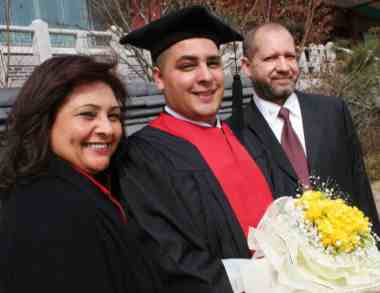
Cô ấy hỗ trợ cha mẹ mình [về mặt tài chính] .
她赡养父母。

She supports her parents [financially] .
Sie unterstützt ihre Eltern [finanziell].
Cô ấy hỗ trợ cha mẹ mình [về mặt tài chính] .
她 赡养父母 。
Tā shànyǎng fùmǔ.
(3482)
2530 拜访 bàifǎng (verb: to pay a visit, to call on) 他明天要去拜访他女朋友的父母。
Tā míngtiān yào qù bàifǎng tā nǚpéngyou de fùmǔ. He is going to visit his girlfriend's parents tomorrow. Ngày mai anh ấy sẽ đến thăm bố mẹ bạn gái.
| 2534 摆脱 bǎituō (verb: to get rid of, to break away from) 很多人长大后还是无法摆脱父母的掌控。
Hěn duō rén zhǎngdà hòu háishi wúfǎ bǎituō fùmǔ de zhǎngkòng. Many people still can't get rid of their parents' control even after they grow up. Nhiều người vẫn không thể thoát khỏi sự kiểm soát của cha mẹ khi lớn lên.
| 2555 包袱 bāofu (noun: burden, load) 他成为了他父母的包袱。
Tā chéngwéi le tā fùmǔ de bāofu. He has become a burden to his parents. Anh trở thành gánh nặng cho bố mẹ.
| 2664 不顾 bù gù (verb: to act in spite of, regardless of) 他不顾父母的反对辞职了。
Tā bùgù fùmǔ de fǎnduì cízhí le. He resigned in spite of his parents' opposition. Anh từ chức bất chấp sự phản đối của cha mẹ.
| 2936 典型 diǎnxíng (adjective: typical) 她是典型的乖乖女,什么都听父母的。
Tā shì diǎnxíng de guāiguāi nǚ, shénme dōu tīng fùmǔ de. She is a typical obedient girl who listens to her parents regarding everything. Cô là một cô gái ngoan điển hình, luôn nghe lời bố mẹ trong mọi việc.
| 3083 封建 fēngjiàn (adjective: feudal) 在封建制度下,婚姻是不能自己做主的,而是父母说了算。
Zài fēngjiànzhìdù xià, hūnyīn shì bùnéng zìjǐ zuòzhǔ de, érshì fùmǔ shuōlesuàn. In feudal times, marriage was not a decision of one's own, but instead the parents had the final say. Dưới chế độ phong kiến, bạn không thể tự mình quyết định cuộc hôn nhân của mình nhưng cha mẹ bạn là người có tiếng nói cuối cùng.
| 3118 抚养 fǔyǎng (verb: to foster, to bring up) 她父母常年在外打工,所以她是由奶奶抚养长大的。
Tā fùmǔ chángnián zàiwài dǎgōng, suǒyǐ tā shì yóu nǎinai fǔyǎng zhǎngdà de. Her parents work away all year round, so she was raised by her grandmother. Cha mẹ cô làm việc bên ngoài quanh năm nên cô được bà ngoại nuôi dưỡng.
| 3180 恭敬 gōngjìng (adjective: deferential, respectful) 父母从小教育我们,对待长辈要态度恭敬。
Fùmǔ cóngxiǎo jiàoyù wǒmen, duìdài zhǎngbèi yào tàidu gōngjìng. From a young age, parents taught us that we should treat the elders with respect. Cha mẹ chúng ta đã dạy chúng ta từ khi còn nhỏ phải đối xử tôn trọng với người lớn tuổi.
| 3186 公婆 gōngpó (noun: husband's parents) 她不想和公婆住在一起,因为他们经常吵架。
Tā bùxiǎng hé gōngpó zhù zàiyīqǐ, yīnwèi tāmen jīngcháng chǎojià. She doesn't want to live with her parents-in-law because they often quarrel. Cô không muốn sống với bố mẹ chồng vì họ thường xuyên cãi vã.
| 3275 和睦 hémù (adjective: harmonious, peaceful relations) 既然你无法和公婆和睦相处,那为什么不和他们分开住?
Jìrán nǐ wúfǎ hé gōngpó hémùxiāngchǔ, nà wèishénme bù hé tāmen fēnkāi zhù? Since you can't get along with your parents-in-law, why don't you live apart from them? Vì bạn không thể hòa hợp với bố mẹ chồng, tại sao không sống tách biệt với họ?
| 3557 开明 kāimíng (adjective: enlightened, open-minded) 我庆幸自己有一对开明的父母,我跟他们可以聊任何话题。
Wǒ qìngxìng zìjǐ yǒu yīduì kāimíng de fùmǔ, wǒ gēn tāmen kěyǐ liáo rènhé huàtí. I am blessed to have open-minded parents with whom I can talk about any topic. Tôi may mắn có được một cặp phụ huynh cởi mở mà tôi có thể nói chuyện về bất kỳ chủ đề nào.
| 3653 理所当然 lǐsuǒdāngrán (idiom: naturally / of course / proper and to be expected as a matter of course) 有些孩子总是认为父母的付出是理所当然的。
Yǒuxiē háizi zǒngshì rènwéi fùmǔ de fùchū shì lǐsuǒ dāngrán de. Some children always take their parents' efforts for granted. Một số trẻ luôn coi nỗ lực của cha mẹ là điều hiển nhiên.
| 3795 目睹 mùdǔ (verb: to witness / to see with one's own eyes) 男孩亲眼目睹了他父母被杀的整个过程。
Nánhái qīnyǎnmùdǔ le tā fùmǔ bèi shā de zhěnggè guòchéng. The boy witnessed the whole process of his parents being murdered. Cậu bé chứng kiến cảnh bố mẹ mình bị sát hại.
| 3821 宁愿 nìngyuàn (adverb: would rather / prefer to) 他宁愿饿肚子也不向父母伸手要钱。
Tā nìngyuàn èdùzi yě bù xiàng fùmǔ shēnshǒu yàoqián. He would rather go hungry than ask his parents for money. Anh thà chịu đói còn hơn xin tiền bố mẹ.
| 3925 期望 qīwàng (noun: expectation) 家长们都对孩子寄予着很高的期望,希望他们能有出色的表现。
Jiāzhǎng men dōu duì háizi jìyǔ zhe hěn gāo de qīwàng, xīwàng tāmen néng yǒu chūsè de biǎoxiàn. Parents have high expectations for their children, hoping that they can perform outstandingly. Cha mẹ đặt kỳ vọng cao vào con cái và hy vọng chúng sẽ học tốt.
| 4021 惹祸 rěhuò (verb: to stir up trouble) 那个孩子总是惹祸,他的家长应该好好管教一下。
Nàge háizi zǒngshì rěhuò, tā de jiāzhǎng yīnggāi hǎohǎo guǎnjiào yīxià. That child always causes trouble, his parents should discipline him. Đứa trẻ đó luôn gặp rắc rối và bố mẹ nó nên kỷ luật nó.
| 4079 捎 shāo (verb: to bring along / to deliver a message for someone / to give someone a ride on the way) 他让我替他捎个信给他的父母,说他很快就要回家了。
Tā ràng wǒ tì tā shāo gè xìn gěi tā de fùmǔ, shuō tā hěn kuài jiùyào huíjiā le. He asked me to pass on a message to his parents, saying that he will be returning home soon. Anh ấy nhờ tôi gửi tin nhắn cho bố mẹ anh ấy hộ anh ấy, nói rằng anh ấy sẽ sớm về nhà.
| 4143 施加 shījiā (verb: to exert [pressure]) 父母经常会向孩子施加压力,让他们在学业方面取得更好的成绩。
Fùmǔ jīngcháng huì xiàng háizi shījiā yālì, ràng tāmen zài xuéyè fāngmiàn qǔdé gèng hǎo de chéngjì. Parents often put pressure on their children to do better academically. Cha mẹ thường gây áp lực cho con cái họ phải học tập tốt hơn.
| 4171 失踪 shīzōng (verb: to disappear / to be missing) 家长和警方正在全力以赴地寻找失踪的儿童。
Jiāzhǎng hé jǐngfāng zhèngzài quánlìyǐfù de xúnzhǎo shīzōng de értóng. Parents and police are doing their best to search for the missing children. Cha mẹ và cảnh sát đang nỗ lực tìm kiếm những đứa trẻ mất tích.
| 4183 受罪 shòuzuì (verb: to suffer / to endure hardships / to undergo difficulties or pain) 有时候为了孩子,父母真是受尽了罪。
Yǒushíhou wèile háizi, fùmǔ zhēnshi shòujìn le zuì. Sometimes parents endure a lot of suffering for their children's sake. Đôi khi cha mẹ thực sự phải chịu nhiều đau khổ vì con cái.
| 4437 喜悦 xǐyuè (noun: joy / delight) 听到了父母的表扬和肯定,让我感到温暖和喜悦。
Tīngdào le fùmǔ de biǎoyáng hé kěndìng, ràng wǒ gǎndào wēnnuǎn hé xǐyuè. Hearing praise and recognition from my parents made me feel warm and joyful. Nghe được những lời khen ngợi, khẳng định của bố mẹ, tôi cảm thấy ấm áp và hạnh phúc.
| 4629 一度 yīdù (adverb: on one occasion / for a time) 他一度想放弃学习,但经过朋友的劝说和家长的支持,他又重新振作起来了。
Tā yīdù xiǎng fàngqì xuéxí, dàn jīngguò péngyou de quànshuō hé jiāzhǎng de zhīchí, tā yòu chóngxīn zhènzuò qilai le. He once thought about giving up studying, but after being persuaded by his friends and supported by his parents, he got back on track again. Anh từng muốn bỏ học, nhưng sau sự thuyết phục của bạn bè và sự ủng hộ của bố mẹ, anh đã vui vẻ trở lại.
| 4667 隐瞒 yǐnmán (verb: to conceal / to hide / to cover up) 她不想让父母担心,所以隐瞒了自己受伤的事实。
Tā bùxiǎng ràng fùmǔ dānxīn, suǒyǐ yǐnmán le zìjǐ shòushāng de shìshí. She didn't want to worry her parents, so she concealed the fact that she was injured. Cô không muốn làm bố mẹ lo lắng nên giấu kín việc mình bị thương.
| 4734 约束 yuēshù (verb: to restrict / to limit to) 父母应该约束孩子玩游戏的时间,以避免过度沉迷于电子产品。
Fùmǔ yīnggāi yuēshù háizi wán yóuxì de shíjiān, yǐ bìmiǎn guòdù chénmí yú diànzǐ chǎnpǐn. Parents should limit their children's screen time in order to prevent excessive obsession to electronic devices. Cha mẹ nên hạn chế thời gian chơi game của con để tránh việc con quá ham mê các sản phẩm điện tử.
| 4986 阻挠 zǔnáo (verb: to thwart / to obstruct) 她的父母曾经试图阻挠她跟她的男友结婚。
Tā de fùmǔ céngjīng shìtú zǔnáo tā gēn tā de nányǒu jiéhūn. Her parents once tried to stop her from marrying her boyfriend. Cha mẹ cô đã cố gắng ngăn cản cô kết hôn với bạn trai của mình.
|
|
|
 ba xuân
  parents
 parents