Có rất ít thực vật trong sa mạc .
沙漠里的植物很稀少。
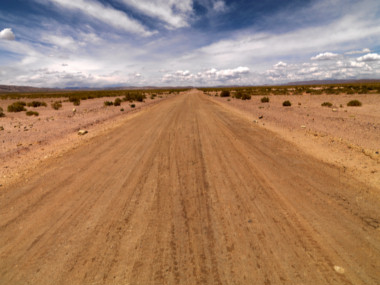
There are very few plants in the desert .
Es gibt sehr wenige Pflanzen in der Wüste.
Có rất ít thực vật trong sa mạc .
沙漠 里 的 植物 很 稀少 。
Shāmò lǐ de zhíwù hěn xīshǎo.
(2193)
3005 二氧化碳 èryǎnghuàtàn (noun: carbon dioxide, CÓ) 植物能吸收二氧化碳并释放氧气。
Zhíwù néng xīshōu èryǎnghuàtàn bìng shìfàng yǎngqì. Plants can absorb carbon dioxide and release oxygen. Thực vật hấp thụ carbon dioxide và giải phóng oxy.
| 3738 茂盛 màoshèng (adjective: [of plants] luxuriant / flourishing) 施肥后,后院的花草长得更加茂盛了。
Shīféi hòu, hòuyuàn de huācǎo zhǎngde gèngjiā màoshèng le. After fertilization, the flowers and plants in the backyard grew even more. Sau khi bón phân, hoa cỏ ở sân sau ngày càng tươi tốt.
| 3756 弥漫 mímàn (verb: to pervade / to fill the air with) 春天到了,空气中弥漫着花草的芬芳。
Chūntiān dào le, kōngqì zhōng mímàn zhe huācǎo de fēnfāng. Spring is here, and the air is filled with the fragrance of flowers and plants. Mùa xuân đã đến, không khí tràn ngập hương thơm của hoa cỏ.
| 4768 渣 zhā (noun: dregs / sediment / residue) 我们可以将咖啡渣用作肥料,为植物提供养分。
Wǒmen kěyǐ jiāng kāfēi zhā yòngzuò féiliào, wèi zhíwù tígōng yǎngfèn. We can use coffee grounds as fertilizer to provide nutrients for plants. Chúng ta có thể sử dụng bã cà phê làm phân bón để cung cấp chất dinh dưỡng cho cây trồng.
|
|
|
 nhổ mạ
  pull up young plants of rice