Cô ấy đang đọc sách với dì út của mình .
她和小姨在看书。
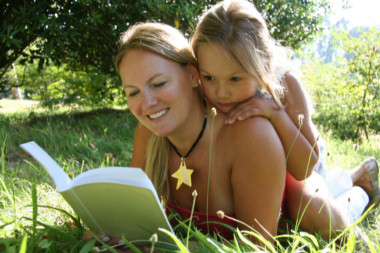
She is reading with her youngest aunt .
Sie liest mit ihrer jüngsten Tante.
Cô ấy đang đọc sách với dì út của mình .
她 和 小姨 在 看书 。
Tā hé xiǎoyí zài kànshū.
(2709)
3674 列举 lièjǔ (verb: to list / to enumerate) 作者在文章中列举了多个例子来说明阅读的好处。
Zuòzhě zài wénzhāng zhōng lièjǔ le duōge lìzi lái shuōmíng yuèdú de hǎochu. The author listed several examples to illustrate the benefits of reading. Tác giả trích dẫn nhiều ví dụ trong bài để minh họa lợi ích của việc đọc sách.
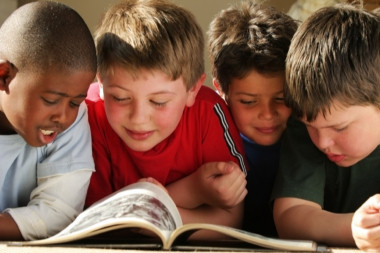
| 3995 趣味 qùwèi (noun: interest / delight) 生动丰富的彩色插图可以增加孩子们阅读的趣味性。
Shēngdòng fēngfù de cǎisè chātú kěyǐ zēngjiā háizimen yuèdú de qùwèi xìng. Vivid and rich color illustrations can enhance children's interest in reading. Hình minh họa sống động và đầy màu sắc có thể khiến việc đọc của trẻ trở nên thú vị hơn.
| 4057 散布 sànbù (verb: to scatter / to disseminate) 他因在网络上随意散布谣言而被刑事拘留了。
Tā yīn zài wǎngluò shang suíyì sànbù yáoyán ér bèi xíngshìjūliú le. He was detained for criminally spreading rumors indiscriminately on the internet. Anh ta bị giam giữ hình sự vì phát tán tin đồn trên Internet.
| 4145 世界观 shìjièguān (noun: worldview) 阅读和旅行有助于拓展我们的视野和世界观。
Yuèdú hé lǚxíng yǒuzhùyú tuòzhǎn wǒmen de shìyě hé shìjièguān. Reading and traveling helps expand our horizons and worldview. Đọc sách và du lịch giúp mở rộng tầm nhìn và thế giới quan của chúng ta.
| 4163 视野 shìyě (noun: field of vision [or view]) 阅读能开阔我们的视野,让我们获得更多的知识和智慧。
Yuèdú néng kāikuò wǒmen de shìyě, ràng wǒmen huòdé gèng duō de zhīshi hé zhìhuì. Reading can broaden our horizons, enabling us to acquire more knowledge and wisdom. Đọc sách có thể mở rộng tầm nhìn của chúng ta và cho phép chúng ta có thêm kiến thức và trí tuệ.
| 4192 书籍 shūjí (noun: books / literature) 我喜欢阅读各种类型的书籍,包括小说、历史、自传等等。
Wǒ xǐhuan yuèdú gèzhǒng lèixíng de shūjí, bāokuò xiǎoshuō, lìshǐ, zìzhuàn děngděng. I like reading various types of books, including novels, history, autobiographies, and so on. Tôi thích đọc sách thuộc mọi thể loại, bao gồm tiểu thuyết, lịch sử, tự truyện, v.v.
| 4288 条理 tiáolǐ (noun: order / arrangement / system / structure [It refers to a logical and organized way of presenting or organizing informa 文章要有清晰的条理结构,否则读者可能会感到困惑,失去阅读的兴趣。
Wénzhāng yào yǒu qīngxī de tiáolǐ jiégòu, fǒuzé dúzhě kěnéng huì gǎndào kùnhuò, shīqù yuèdú de xìngqù. An article should have a clear and organized structure, otherwise readers may feel confused and lose interest in reading. Bài viết phải có cấu trúc rõ ràng, logic, nếu không người đọc có thể bối rối và mất hứng thú đọc.
| 4661 以致 yǐzhì (conjunction: as a result / so that / consequently) 她看书看得非常认真,以致外面下雨了她都毫无觉察。
Tā kànshū kàn de fēicháng rènzhēn, yǐzhì wàimiàn xiàyǔ le tā dōu háowú juéchá. She was reading so intensely that she didn't even notice it was raining outside. Cô đọc chăm chú đến nỗi không để ý rằng ngoài trời đang mưa.
|
|
|
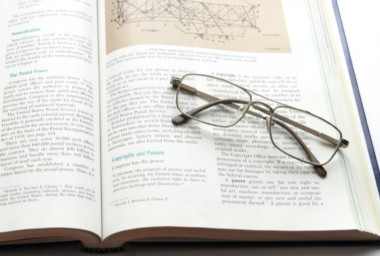







 kính lão
  reading glasses (for old people)