 thừa
thừa  (1) left over, superfluous, extra; (2) to take advantage of; (3) to inherit; (4) to receive (from above); (5) to take charge; (6) to help, assist
Tôi đang thừa cân . |
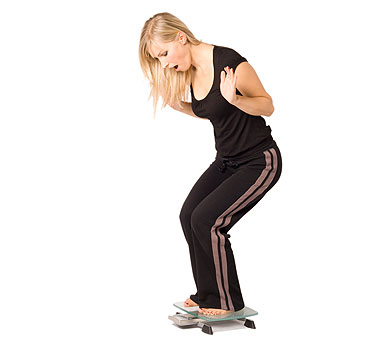
 extra
extra | 乘 | thừa | ride |
| 承 | thừa | acquiesce |
| 丞 | thừa | helping hand |
| 承认 | chéngrèn | thừa nhận | |
| 继承 | jìchéng | kế thừa | |
| 乘机 | chéngjī | thừa cơ | |
| 丞相 | chéngxiāng | thừa tướng | |
| 上乘 | shàngchéng | thượng thừa | |
| 乘胜 | chéngshèng | thừa thắng | |
Tôi đang thừa cân . | Tôi được thừa kế tài sản của gia đình . | Tôi được thừa kế tài sản từ cha tôi . | Ở Trung Quốc, pháo hoa sẽ được bắn vào đêm giao thừa |



1319承认chéngrèn(verb: to admit / to acknowledge)我必须承认我昨天的行为很不理智。Wǒ bìxū chéngrèn wǒ zuótiān de xíngwéi hěn bù lǐzhì.I must admit that I acted irrationally yesterday.Tôi phải thừa nhận rằng hành vi của tôi ngày hôm qua là không hợp lý. | |||||||||||||
1346除夕Chúxī(noun: (Lunar) New Year's Eve)每年除夕晚上,我们一家人都会一边包饺子一边看电视。Měinián Chúxī wǎnshang, wǒmen yījiārén doū huì yībiān bāojiǎozi yībiān kàn diànshì.Every New Year's Eve, our family watches TV while making dumplings.Mỗi đêm giao thừa, gia đình chúng tôi lại làm bánh bao và xem TV. | |||||||||||||
1531公开gōngkāi(adverb: openly / publicly)他在法庭上公开承认自己曾吸过毒。Tā zài fǎtíng shang gōngkāi chéngrèn zìjǐ céng xī guo dú.He publicly admitted in court that he had taken drugs before.Anh ta công khai thừa nhận trước tòa rằng mình đã sử dụng ma túy. | |||||||||||||
1729巨大jùdà(adjective: huge / tremendous / enormous / gigantic)他继承了一笔巨大的财富。Tā jìchéng le yī bǐ jùdà de cáifù.He inherited a huge fortune.Ông được thừa hưởng một khối tài sản khổng lồ. | |||||||||||||
1974燃烧ránshāo(verb: to burn)适当的运动可以燃烧体内的多余脂肪。Shìdàng de yùndòng kěyǐ ránshāo tǐnèi de duōyú zhīfáng.Proper exercise can burn excess fat in the body.Tập thể dục đúng cách có thể đốt cháy lượng mỡ thừa trong cơ thể. | |||||||||||||
2624贬义biǎnyì(noun: derogatory sense, negative connotation)剩女被许多女性视为贬义词。Shèngnǚ bèi xǔduō nǚxìng shìwéi biǎnyì cí.Leftover women is considered a derogatory term by many women.Phụ nữ dư thừa bị nhiều phụ nữ coi là thuật ngữ xúc phạm. | ||||||||
3309画蛇添足huàshétiānzú(idiom: to draw a snake and add feet to it - to ruin the effect by adding something superfluous)这篇文章整体来说写得不错,只是最后一段有点画蛇添足,删掉会更好。Zhè piān wénzhāng zhěngtǐ láishuō xiě de bùcuò, zhǐshì zuìhòu yīduàn yǒudiǎn huàshétiānzú, shān diào huì gèng hǎo.This article is well written overall, but the last paragraph is a bit superfluous and it would be better to delete it.Bài viết này nhìn chung là viết tốt, nhưng đoạn cuối hơi thừa, nếu xóa đi sẽ tốt hơn. | ||||||||
3353继承jìchéng(verb: to inherit, to carry on, to succeed)老人去世后,他的儿子继承了他的财产。Lǎorén qùshì hòu, tā de érzi jìchéng le tā de cáichǎn.After the old man passed away, his son inherited his property.Sau khi ông già qua đời, con trai ông được thừa kế tài sản của ông. | ||||||||
4048容器róngqì(noun: container / vessel)我把没有吃完的食物都放进了密封容器里。Wǒ bǎ méiyǒu chīwán de shíwù dōu fàngjìn le mìfēng róngqì lǐ.I put the unfinished food into a sealed container.Tôi bỏ thức ăn thừa vào hộp kín. | ||||||||
4277天伦之乐tiānlúnzhīlè(idiom: family happiness [that comes from being with one's family and enjoying their company])除夕之夜,全家人欢聚一堂,共享天伦之乐。Chúxī zhī yè, quánjiā rén huānjù yītáng, gòngxiǎng tiānlún zhīlè.On New Year's Eve, the entire family gathered to enjoy the happiness of being together.Đêm giao thừa, cả gia đình quây quần bên nhau để chia sẻ hạnh phúc gia đình. | ||||||||
4420无知wúzhī(noun: ignorance)不要害怕承认自己的无知,因为学习是一个永恒的过程。Bùyào hàipà chéngrèn zìjǐ de wúzhī, yīnwèi xuéxí shì yī gè yǒnghéng de guòchéng.Don't be afraid to admit your ignorance, because learning is an eternal process.Đừng ngại thừa nhận sự thiếu hiểu biết của mình vì học tập là một quá trình không ngừng. | ||||||||
4625遗产yíchǎn(noun: heritage / legacy / inheritance)他的父亲给他留下了一大笔遗产,使他能够过上舒适的生活。Tā de fùqīn gěi tā liúxià le yī dà bǐ yíchǎn, shǐ tā nénggòu guò shang shūshì de shēnghuó.His father left him a considerable inheritance that enabled him to lead a comfortable life.Cha anh để lại cho anh một tài sản thừa kế lớn giúp anh có một cuộc sống thoải mái. | ||||||||
4750在意zàiyì(verb: [usually, in the negative] to care about / to mind)虽然我不想承认,但我还是很在意他的评价。Suīrán wǒ bùxiǎng chéngrèn, dàn wǒ háishi hěn zàiyì tā de píngjià.Although I don't want to admit it, I still care about his opinion.Dù không muốn thừa nhận nhưng tôi vẫn quan tâm đến đánh giá của anh ấy. | ||||||||
4841郑重zhèngzhòng(adjective: serious / solemn)他非常郑重地道歉,承认自己的错误。Tā fēicháng zhèngzhòng de dàoqiàn, chéngrèn zìjǐ de cuòwù.He apologized very seriously and admitted his mistake.Anh đã xin lỗi rất long trọng và thừa nhận lỗi lầm của mình. | ||||||||