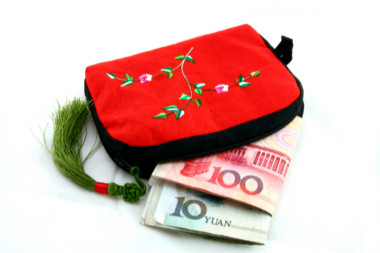
Bạn có bao nhiêu bảng Anh trong ví ?
你钱包里有几英镑?

How many English pounds do you have in your wallet ?
Wie viele englische Pfund hast du in deiner Brieftasche?
Bạn có bao nhiêu bảng Anh trong ví ?
你 钱包 里 有 几 英镑 ?
Nǐ qiánbāo lǐ yǒu jǐ Yīngbàng?
(2812)
0466 拿 ná (verb: to take / to fetch) 我刚才回家去拿我的钥匙和钱包了。
Wǒ gāngcái huíjiā qù ná wǒ de yàoshi hé qiánbāo le. I just went home to get my keys and wallet. Tôi vừa về nhà lấy chìa khóa và ví.
| 0840 举 jǔ (verb: to give (eg., example) / to enumerate) 你能举个例子来说明这两个单词的区别吗?
Nǐ néng jǔ gè lìzi lái shuōmíng zhè liǎng gè dāncí de qūbié ma? Can you give an example to illustrate the difference between these two words? Bạn có thể đưa ra một ví dụ để minh họa sự khác biệt giữa hai từ này?
| 2495 醉 zuì (verb: drunk / intoxicated) 在宴会上,大卫只喝了一杯酒就醉了。
Zài yànhuì shang, Dàwèi zhǐ hē le yī bēi jiǔ jiù zuì le. At the banquet, David got drunk after only one glass of wine. Trong bữa tiệc, Đa-vít chỉ uống một ly rượu và say khướt.
|
2603 比方 bǐfang (noun: analogy, example) 我还是不懂,你能打个比方来说明吗?
Wǒ háishi bù dǒng, nǐ néng dǎ gè bǐfang lái shuōmíng ma? I still don't understand. Can you draw an analogy to explain it? Mình vẫn chưa hiểu, bạn có thể giải thích bằng ví dụ được không?
| 2950 丢三落四 diūsānlàsì (idiom: forgetful, forget this and that, empty-headed) 他总是丢三落四,每次出门不是忘了带钥匙,就是忘了带钱包!
Tā zǒngshì diūsān làsì, měicì chūmén bùshì wàng le dài yàoshi, jiùshì wàng le dài qiánbāo! He is always forgetful! Every time he goes out, either he forgets to bring his keys or his wallet! Anh ta luôn đánh mất tất cả, mỗi lần ra ngoài đều quên mang theo chìa khóa hoặc ví tiền!
| 3033 反面 fǎnmiàn (adjective: opposite, negative side) 这家公司的管理模式在业内一直被当作反面教材。
Zhè jiā gōngsī de guǎnlǐ móshì zài yè nèi yīzhí bèi dàngzuò fǎnmiàn jiàocái. The company's management model has been used as a negative example of what to avoid in the industry. Mô hình quản lý của công ty này đã được sử dụng như một ví dụ tiêu cực trong ngành.
| 3674 列举 lièjǔ (verb: to list / to enumerate) 作者在文章中列举了多个例子来说明阅读的好处。
Zuòzhě zài wénzhāng zhōng lièjǔ le duōge lìzi lái shuōmíng yuèdú de hǎochu. The author listed several examples to illustrate the benefits of reading. Tác giả trích dẫn nhiều ví dụ trong bài để minh họa lợi ích của việc đọc sách.
| 3712 论证 lùnzhèng (verb: to demonstrate or prove [through argument]) 他举了多个例子来论证自己的观点。
Tā jǔ le duōge lìzi lái lùnzhèng zìjǐ de guāndiǎn. He gave a number of examples to demonstrate his point of view. Ông đưa ra một số ví dụ để chứng minh quan điểm của mình.
| 3715 螺丝钉 luósīdīng (noun: screw) 墙上的螺丝钉松了,得赶快拧紧,否则相框会掉下来的。
Qiáng shang de luósīdīng sōng le, děi gǎnkuài nǐng jǐn, fǒuzé xiàngkuàng huì diào xialai de. The screws on the wall are loose. You have to tighten them quickly, otherwise the photo frame will fall off. Các ốc vít trên tường bị lỏng và phải được siết chặt nhanh chóng, nếu không khung tranh sẽ rơi ra.
| 3858 皮革 pígé (noun: leather) 这款钱包是由英国进口的皮革制成的。
Zhè kuǎn qiánbāo shì yóu Yīngguó jìnkǒu de pígé zhìchéng de. The wallet is made from leather imported from England. Chiếc ví này được làm từ da nhập khẩu từ Anh.
| 4127 拾 shí (verb: to pick up [from the ground]) 她在公园里拾到了一个钱包,并将其交还给了失主。
Tā zài gōngyuán lǐ shí dào le yī gè qiánbāo, bìng jiāng qí jiāohuán gěi le shīzhǔ. She found a wallet in the park and returned it to its owner. Cô tìm thấy một chiếc ví trong công viên và trả lại cho chủ nhân của nó.
|
 ví bằng ví bằng  if, in case, let us assume, suppose if, in case, let us assume, suppose
ví chăng if not, if, if only
ví dầu if, in case
ví dụ if, in this case
ví dụ như such as, like, for example
ví như if, in the event, in case, with regard to
ví tiền billfold, wallet
ví von analogy; to compare, make comparison
ví đầm purse
câu ví allegory, an example
hát ví kind of song (which country boys and girls sing back and
độ ví latitude
|
|

 wallet